31 Yearbook Survey Questions
Explore 25 yearbook survey questions for students, teachers, and clubs—fresh ideas to inspire memories, opinions, and honest answers.
Yearbook survey questions help you turn blank pages into stories students actually want to read. The right yearbook questions pull out funny memories, real opinions, and small moments that make a yearbook feel personal, not like a dusty time capsule.
In this guide, you’ll find practical yearbook question ideas by survey type, sample interview questions yearbook teams can use, best practices, and smart ways to turn answers into standout content. Plus, whether you’re hunting for yearbook questions for students, yearbook interview questions, good yearbook questions, or even searching site:heysurvey.io, you’re in the right place.
Sample questions
What was the best part of your school day this year?
Which school event or activity do you look forward to the most?
What is one small moment from this year you do not want to forget?
Where did you spend most of your free time at school?
What word best describes student life at our school this year, and why?
Student Life Yearbook Survey Questions
Everyday moments make the best memories
Why & When to Use
Student life yearbook questions help you capture the routines, inside jokes, favorite hangouts, and ordinary moments that actually define a school year. That is what makes these yearbook questions so useful when you want your book to feel real, not stiff enough to scare a locker.
Here’s the thing, this survey type works best early to mid-year. By then, students have enough experiences to reflect on, but the details are still fresh and easy to describe.
These interview questions yearbook staff use are especially handy for student life spreads, captions, quote boxes, and sidebar features. Plus, if you are searching site:heysurvey.io for good yearbook questions for students, this is one of the most flexible categories to start with.
To get stronger answers, keep your yearbook interview questions open-ended and specific. The best yearbook questions for students usually invite a memory, not just an opinion.
Ask about moments, places, and routines instead of broad yes-or-no reactions.
Group responses by grade, club, friend group, or shared experience to spot patterns.
Look for vivid details you can turn into captions, pull quotes, or short profiles.
Use these year book questions when you want honest answers that sound like actual students.
Sample questions
What has your club or team taught you this year?
What moment made you feel most proud to be part of this group?
What challenge did your group overcome together?
Who inspired your group this year, and how?
What is one tradition or inside joke that defines your group?
Open-ended, specific survey questions elicit richer, more elaborated student responses than yes/no formats, making them better for capturing memorable yearbook moments. Source
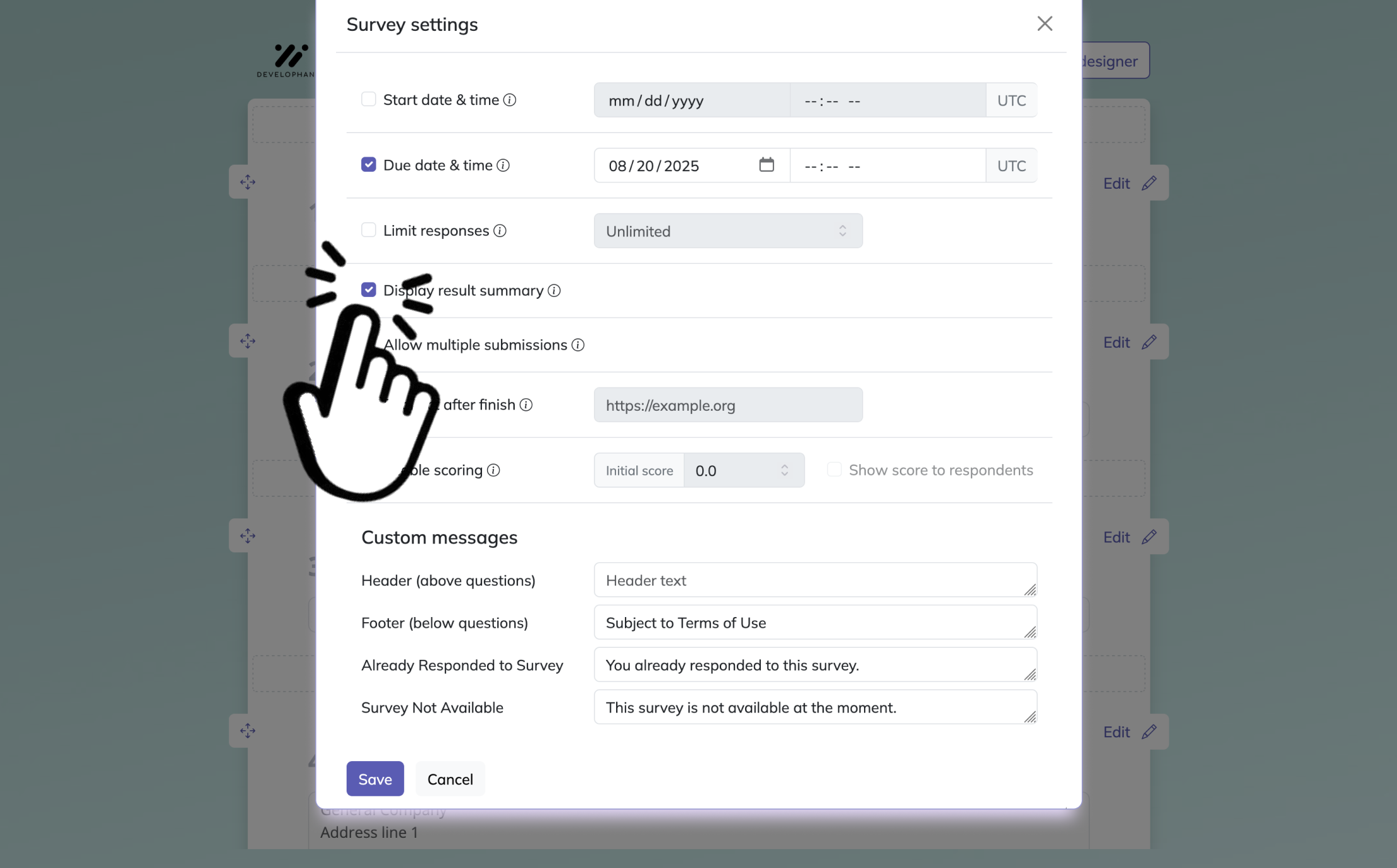
Create a Yearbook Survey in HeySurvey in 3 Easy Steps
Create a new survey
Open HeySurvey and start with a yearbook survey template using the button below, or begin from an empty sheet if you want to build your own. Give your survey a clear name so it’s easy to find later. You can do this without an account, but you’ll need one to publish and view responses.Add questions
Click Add Question to include fun yearbook prompts such as favorites, memories, superlatives, and advice for the class. Use Choice questions for quick pick-one answers, Text questions for open-ended messages, and Ranking or Scale questions for top picks and ratings. You can mark questions as required and reorder them anytime.Publish your survey
Review your survey in Preview to make sure everything looks right. Then click Publish to create a shareable link. Send it to classmates, teachers, or parents and start collecting yearbook answers right away.
Yearbook Interview Questions for Clubs, Teams, and Activities
Group stories bring school spirit to life
Why & When to Use
These yearbook questions are perfect when you want to spotlight how students show up, work together, and make things happen beyond the classroom. They help you capture achievement, personality, and the little rituals that make every group feel like its own tiny universe.
Here’s the thing, the best time to use these interview questions yearbook teams rely on is during active seasons, competitions, performances, leadership projects, or big club milestones. That is when details feel fresh, emotions run high, and answers sound alive instead of copied from a trophy speech.
These yearbook interview questions also work well for both formal sit-down interviews and quick survey questions for students collection. Plus, if you are exploring site:heysurvey.io for good yearbook questions, this category gives you plenty to use across sports, arts, student leadership, and academic groups.
To get better responses, balance success-focused prompts with culture-focused ones. A winning season matters, but so does the snack table, the bus ride playlist, and that one team chant nobody outside the group understands.
Tailor your year book questions for each group, since athletes, performers, and club leaders speak a little differently.
Mix questions about growth, setbacks, traditions, and pride to get fuller stories.
Use standout answers as pull quotes, mini-profiles, or caption starters.
Keep yearbook questions for students specific so responses feel personal and memorable.
Sample questions
If this school year had a theme song, what would it be?
What snack best represents your personality this year?
If you could relive one school day, which would it be?
What trend, phrase, or habit defined students this year?
What is something funny only students at our school would understand?
Jostens reports that yearbook “Story Starter Surveys,” developed with teenagers, help collect students’ fun facts, feelings, and photos for clubs and activities coverage (source).
Fun Yearbook Questions and Personality-Based Prompts
Light prompts make big personalities pop
Why & When to Use
Fun yearbook questions help you capture the stuff that makes students sound like actual humans, not tiny corporate spokespeople in hoodies. They add energy, humor, and personality, which makes your yearbook feel more relatable to everyone flipping through it later.
Here’s the thing, these yearbook questions work especially well when you need quick responses from lots of students. If you are collecting answers in hallways, lunch periods, or fast survey forms, this style keeps things easy, fun, and answerable.
Plus, this category fits naturally with searches like good yearbook questions, best yearbook questions, and yearbook question ideas. If you are browsing site:heysurvey.io for interview questions yearbook teams can use at scale, these lighter prompts are a smart pick.
Keep the fun connected to school life. Random questions can be amusing for five seconds, but the best yearbook interview questions still point back to shared memories, student culture, and moments people will actually remember.
A few practical tips can help:
Use these year book questions for superlatives, sidebars, quote boxes, and social-style content blocks.
Keep yearbook questions for students inclusive and age-appropriate across grade levels.
Avoid questions so goofy that answers feel disconnected from the school year.
Mix playful prompts with memory-based ones to get charm plus substance.
Sample questions
What memory from this year will stay with you the longest?
When did you feel like you truly belonged at school this year?
What accomplishment are you most proud of?
What surprised you most about this school year?
What advice would you give your beginning-of-year self?
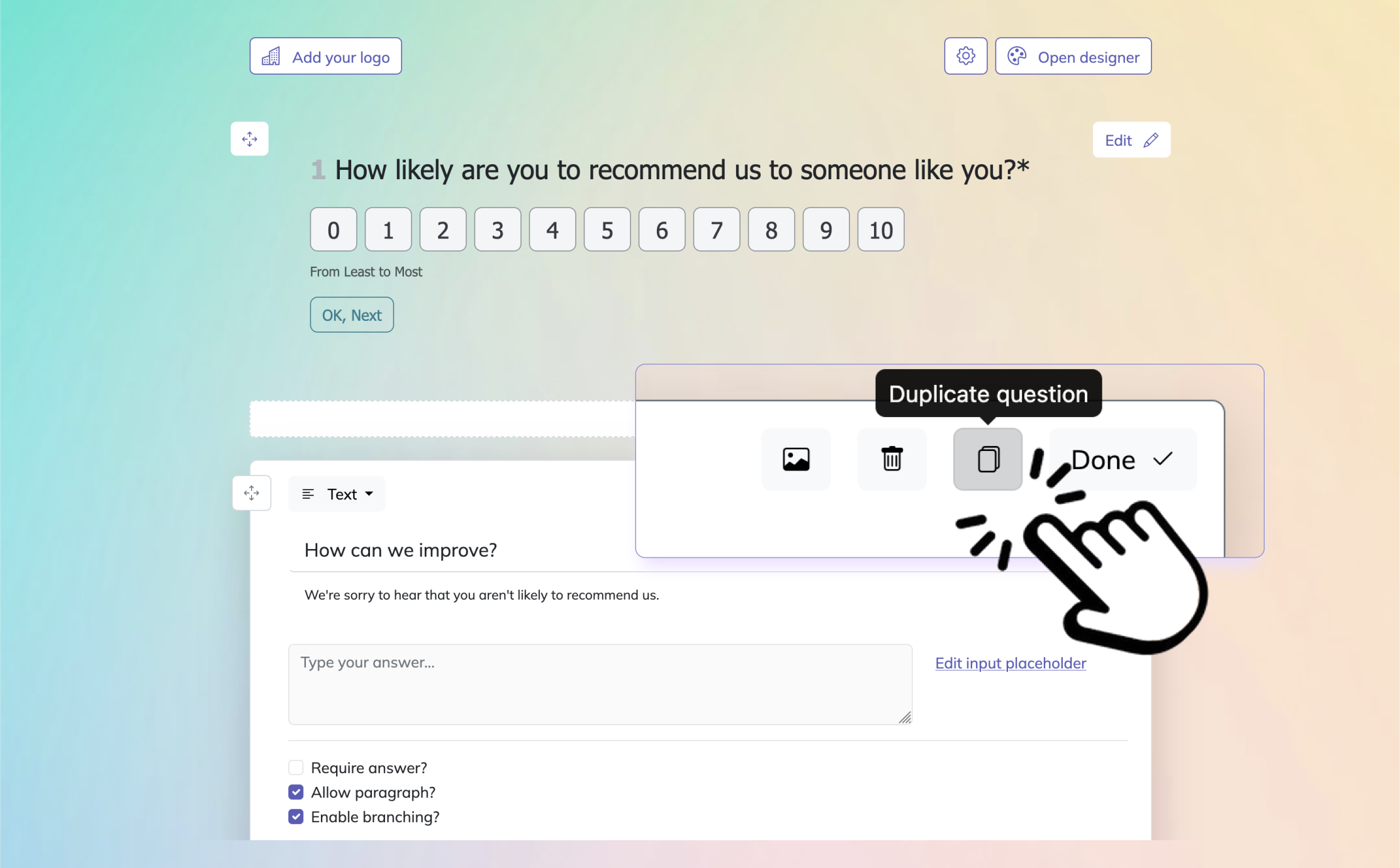
Yearbook Questions for Students About Memories and Milestones
Reflection turns small moments into lasting stories
Why & When to Use
Memory-focused yearbook questions help you save more than events. They capture the emotional highlights, quiet turning points, and meaningful moments students might forget until a question brings them rushing back like a backpack full of old notes.
These yearbook questions work best near the end of a semester or school year, when students have enough distance to reflect. Here's the thing, that timing usually leads to stronger, more thoughtful answers than asking too early.
They are especially useful for senior sections, graduation coverage, and retrospective spreads. Plus, if you are building content from site:heysurvey.io or collecting interview questions yearbook staff can reuse, this category gives you heartfelt material without making things too heavy.
The sweet spot is reflection with boundaries. Good yearbook questions invite students to share growth, gratitude, and memorable experiences without feeling like they accidentally signed up for therapy before third period.
A few practical notes can help:
Encourage specific memories, such as a game, class moment, performance, or conversation, instead of vague answers.
Keep yearbook questions for students thoughtful but not overly personal, so responses stay comfortable and usable.
Separate underclassmen and seniors when reviewing answers, since their milestones often fit different editorial themes.
Strong yearbook interview questions usually invite reflection, growth, and gratitude all at once.
Use these yearbook question ideas for graduation pages, end-of-year recaps, and milestone quote collections.
Sample questions
Who is most likely to brighten everyone’s day?
Who is most likely to become a great leader?
Who is most likely to make the class laugh?
Who is most likely to try something new first?
Who is most likely to be remembered for school spirit?
Students’ sense of school belonging is consistently linked to better academic outcomes, well-being, and identity development, supporting reflection-based yearbook questions that reinforce connection (source).
Most Likely To and Superlative Yearbook Questions
Superlatives work best when the fun stays kind
Why & When to Use
Superlative-style yearbook questions create the kind of content students love to spot, share, and talk about later. When handled fairly, these yearbook questions turn familiar names into a community snapshot that feels upbeat instead of awkward.
They work especially well when you are planning “most likely to” features, class superlatives, or lighthearted recognition pages. Plus, if you are collecting yearbook questions most likely categories or brainstorming yearbook most likely to ideas, this format gives you quick, high-interest material.
Here’s the thing, the magic is not in being funny at someone’s expense. The best interview questions yearbook teams use focus on positive traits, shared memories, and the kinds of qualities people are happy to be known for.
To keep your year book questions useful and respectful, set a few ground rules first:
Use positive categories only, such as kindness, leadership, humor, curiosity, or school spirit.
Create clear voting rules so students understand how nominations and selections work.
Have yearbook staff review results before publication to catch ties, duplicates, or questionable picks.
Avoid categories tied to appearance, exclusion, rumors, or embarrassment. Nobody wants their legacy to be “best hoodie.”
Save these yearbook question ideas for class spotlights, senior pages, and fun recognition spreads that still feel inclusive.
On top of that, good yearbook questions should help students feel seen, not singled out. That is what makes yearbook questions for students memorable for the right reasons.
Sample questions
What student moment made you smile this year?
What lesson do you hope students remember beyond your class?
What school tradition means the most to you?
What word would you use to describe this year’s student body?
What is one thing students taught you this year?
Teacher and Staff Yearbook Survey Questions
Staff voices add heart, context, and a little behind-the-scenes magic
Why & When to Use
Teacher and staff responses bring balance to student-centered yearbook questions by adding perspective, warmth, and the kind of reflection only adults in the building can offer. When you mix these with student stories, your yearbook starts to feel less like a list of moments and more like a full school memory map.
These interview questions yearbook teams use are especially helpful when you want to highlight classroom culture, faculty relationships, and school-wide themes that connect everyone. Plus, they work beautifully in faculty profiles, opening spreads, and closing pages where a little wisdom goes a long way.
Here’s the thing, busy staff members usually give better answers when your prompts are short, clear, and meaningful. You are not asking for a memoir, just a thoughtful snapshot from the people who saw the year unfold from the front of the room.
To make these yearbook questions work even better, keep the format simple:
Use concise prompts so teachers and staff can answer quickly without overthinking.
Pair staff quotes with related student responses for contrast, personality, and stronger community storytelling.
Choose prompts that reveal values, memories, and school spirit, not just job titles.
Use these yearbook question ideas to support both faculty features and broader site:heysurvey.io style yearbook questions collections.
On top of that, good yearbook questions from staff often reveal something students never noticed, which is where the gold lives.
Sample questions
Does this question encourage a specific, memorable answer?
Will the response help us tell a story about this school year?
Is the question inclusive for different student experiences?
Can the answer be used in quotes, captions, or feature copy?
Will this question still feel relevant when the yearbook is published?
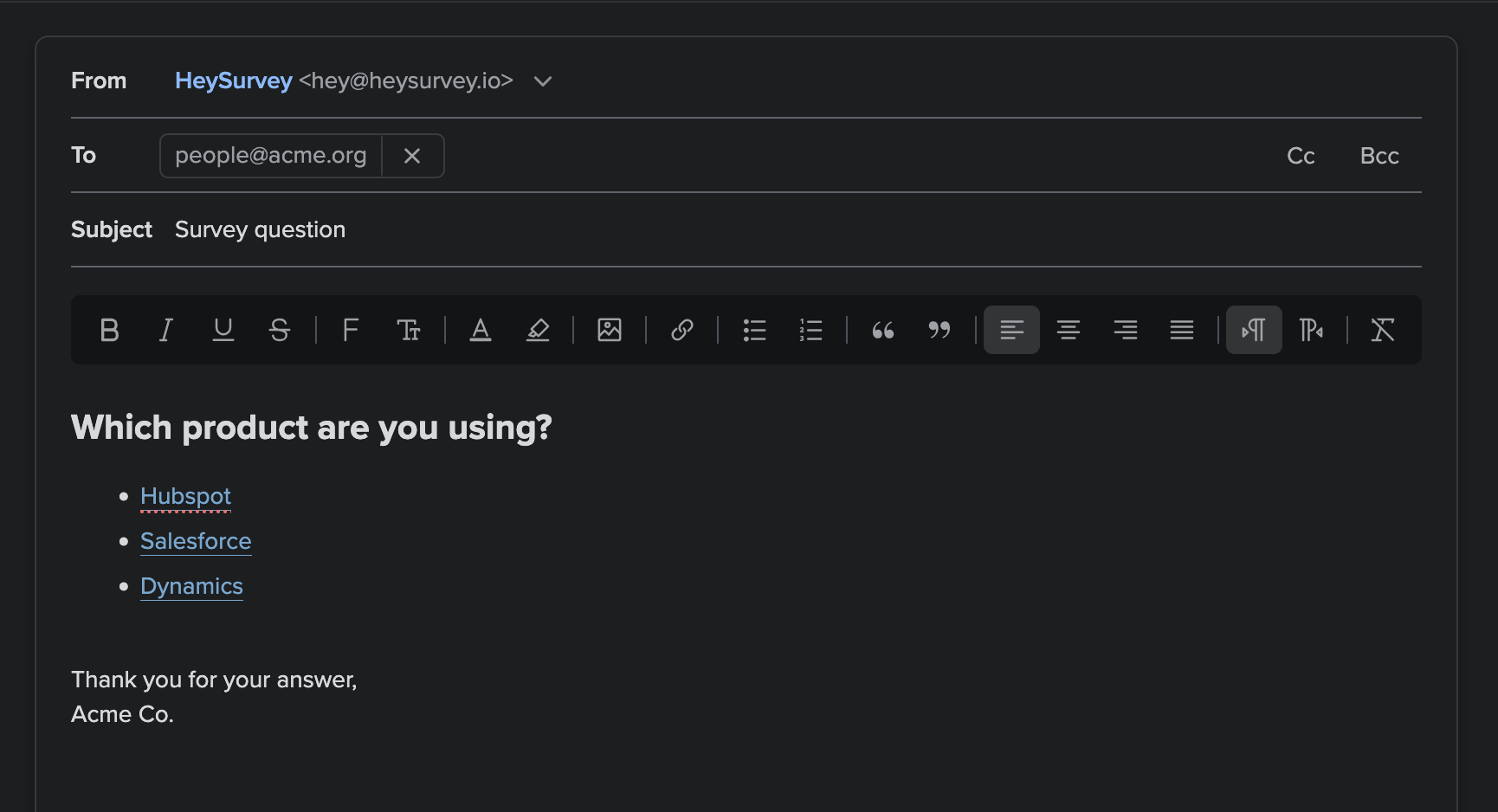
How to Choose the Best Yearbook Survey Questions
Pick questions with a purpose, not just because they sound cute
Why & When to Use
Not every prompt belongs in every collection of yearbook questions, and that is the whole game. The best yearbook questions match your audience, your theme, and the goal of each section, whether you are building senior pages, student life spreads, or club features.
Here’s the thing, you should make these choices before you send out a single survey. A little planning now saves you from sorting through a mountain of vague answers later, which is about as fun as organizing glitter with oven mitts.
It also helps to know what kind of prompt you are using. Yearbook survey questions are built for collecting lots of responses fast, yearbook interview questions are more personal and detailed, and broader interview questions yearbook teams use can include both depending on the story they want to tell.
When you filter yearbook questions for students, cut anything weak, repetitive, or too trend-dependent. If a prompt only makes sense for one tiny group or might feel dated by publication time, it probably does not make the cut.
Use a balanced mix of good yearbook questions like these:
Reflective prompts for meaning and memory.
Descriptive prompts for vivid quotes and captions.
Fun prompts for energy and personality.
Plus, if you want stronger site:heysurvey.io style planning, align every set of year book questions with a clear editorial goal first.
Sample questions
Are these yearbook questions clear enough that students can answer fast without asking for help?
Will this prompt lead to a real story instead of a one-word reply?
Does this question fit the grade, group, or section I am writing for?
Could this question make someone feel excluded, embarrassed, or singled out?
Is this short survey focused enough that students will actually finish it?
Best Practices for Writing and Using Yearbook Survey Questions
Smart yearbook questions make editing easier and the final book better
Why & When to Use
Here’s the thing, strong yearbook questions help you collect better quotes, better stories, and way less fluff. That is why yearbook interview questions and other interview questions yearbook teams use should be planned with care, not tossed together five minutes before lunch.
Use these dos when writing yearbook questions for students:
Keep wording simple and quick to answer.
Choose open-ended prompts over yes-or-no questions.
Match prompts to the grade level, activity, and section.
Use respectful, inclusive phrasing.
Test a few year book questions before sending them wide.
Collect extra responses so you have stronger quote options.
On top of that, avoid these common mistakes:
Vague yearbook question ideas that invite one-word answers.
Cliché good yearbook questions students have seen a hundred times.
Embarrassing, divisive, or appearance-based prompts.
Surveys that are all jokes and no substance.
Poor planning for sorting, reviewing, and using responses.
Overlong forms that make completion rates flop. Tiny tragedy.
Plus, people write interesting interview questions for yearbook projects because they reveal personality, sharpen storytelling, and give editors richer material. For a site:heysurvey.io approach, keep surveys short, review prompts for ethics and inclusivity, and always run an editorial check before publishing or printing.
Sample questions
Which responses best capture the spirit of the school year?
What recurring themes show up across grades or groups?
Which quotes are specific enough to stand alone in print?
What answers reveal trends worth featuring in a sidebar or spread?
Which voices or student groups are still underrepresented?
Turning Yearbook Survey Insights Into Better Content
Great yearbook questions become great pages when you actually use the answers well
Why & When to Use
Here’s the thing, collecting yearbook questions is just step one. The real magic happens when you turn those answers into coverage that feels vivid, balanced, and worth rereading years later.
Use this step during editing, page planning, and final content selection. Plus, it helps you squeeze real value out of your interview questions yearbook team already worked hard to collect.
Start by sorting responses into themes so patterns pop fast.
School spirit
Friendship
Challenge
Growth
Humor
Once you group answers, your yearbook interview questions stop being a pile of quotes and start acting like story material. That makes it easier to spot the strongest yearbook question ideas, the most telling details, and the good yearbook questions that actually produced print-worthy lines.
On top of that, use survey insights across the book, not just in one place.
Build caption angles from specific student comments
Shape feature intros around common themes
Create quote collections from standout answers
Write section openers that reflect the real student voice
Pull trends into sidebars or themed spreads
Also, check who is missing. Strong yearbook questions for students should surface a wide range of voices, not just the loudest ones in the room.
For a smart site:heysurvey.io workflow, review responses with story use in mind. The best interview questions yearbook teams ask lead to usable stories, not just collected answers.
Related Student Survey Surveys
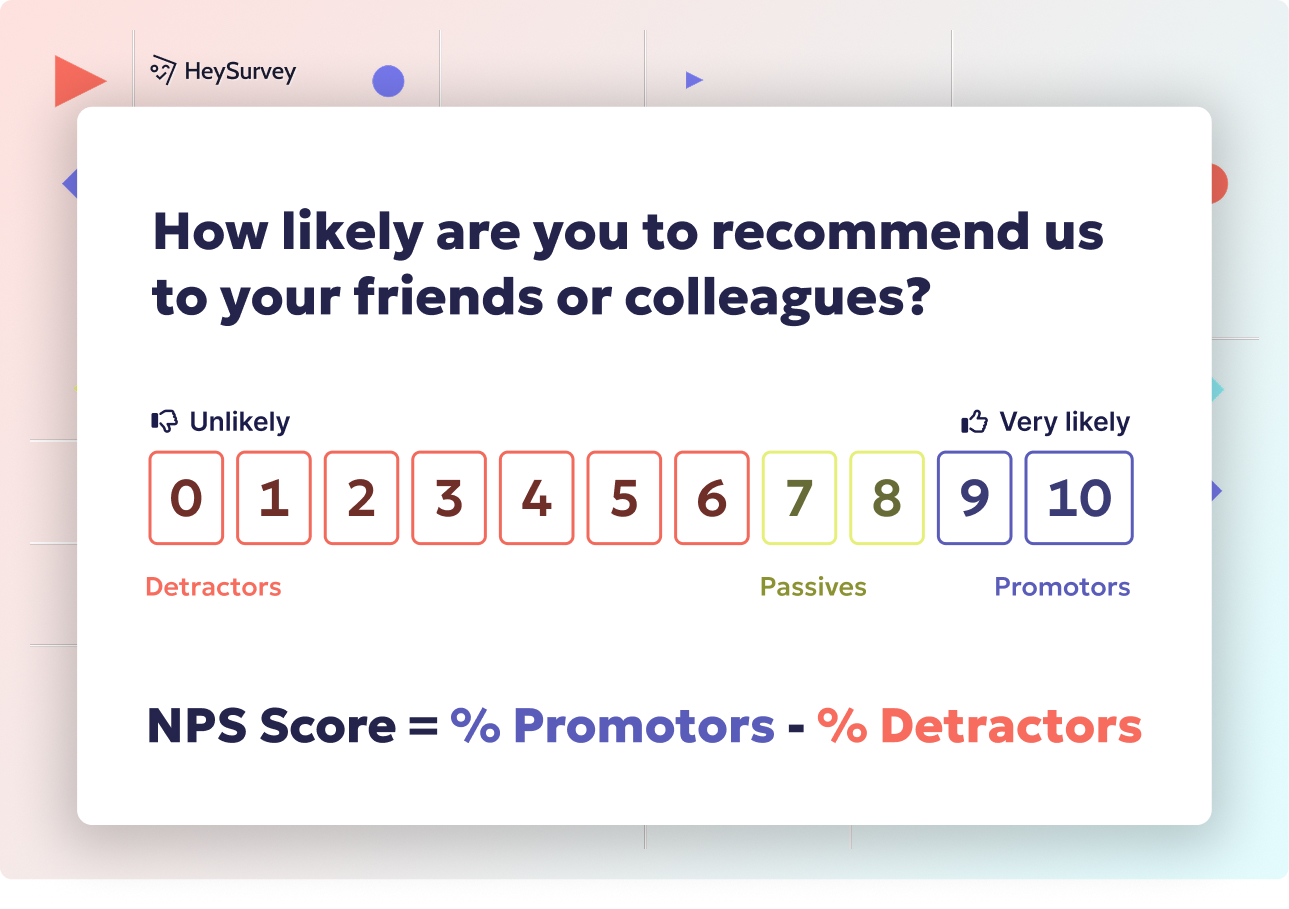
29 Survey Questions Examples for Students
Explore 25 survey questions examples for students, featuring clear sample questions to help creat...
31 Class Survey Questions
Discover 25 class survey questions with sample prompts for teachers and students to gather feedba...
29 Survey Questions for Students
Explore 25 sample survey questions for students, including keyword survey questions for students,...