32 Volunteering Survey Questions
Discover 25 volunteering survey questions to gauge motivation, impact, and engagement—ideal sample questions for nonprofit research and feedback.
A volunteer survey is a simple set of questions that helps you learn what volunteers think, need, and actually experience so you can improve recruitment, training, retention, event planning, and overall volunteer satisfaction.
Here’s the thing, whether you need a volunteer questionnaire, a volunteer survey template, or smarter questions to ask volunteers about their experience, the right feedback can save you guesswork and a few forehead-slapping mistakes. In this article, you’ll find practical volunteer survey types, sample volunteer satisfaction survey questions, and easy ways to turn responses into better volunteer experiences, with helpful inspiration like online survey tool.
Volunteer Recruitment Survey Questions
Sample questions
What inspired you to consider volunteering with our organization?
How did you first hear about this volunteer survey questions opportunity?
Which causes or activities are you most interested in supporting?
What factors might make it difficult for you to volunteer with us?
What days, times, or types of roles would make you most likely to participate?
A smart volunteer survey helps you recruit with less guesswork.
Why & When to Use
A volunteer survey for recruitment helps you understand what motivates people to raise their hand, where they found you, and what gets in the way before they ever sign up.
Here’s the thing, if you do not know why people hesitate, your outreach can sound great and still flop like a pancake at a picnic.
Use these volunteer recruitment survey questions during recruitment campaigns, right after inquiry forms, or anytime you want to improve volunteer conversion rates.
Plus, this kind of volunteer satisfaction survey style feedback is useful for nonprofits, schools, events, and community groups that want better-fit volunteers, not just more clicks.
Keep your volunteer survey template short and easy to finish so people do not disappear halfway through.
Focus your questions on details that actually help you improve, like:
volunteer motivation
availability and scheduling preferences
preferred role type
recruitment channel performance
barriers such as time, transportation, or unclear expectations
On top of that, the answers can help you sharpen outreach messaging, improve role descriptions, and match people with opportunities they actually want.
If you need inspiration, reviewing examples through site:heysurvey.io can help you build a cleaner volunteer survey template without overloading people with too many volunteer questions.
Urban Institute research found charities using more volunteer management practices had higher volunteer retention, supporting survey questions on motivations, barriers, and role fit (source).
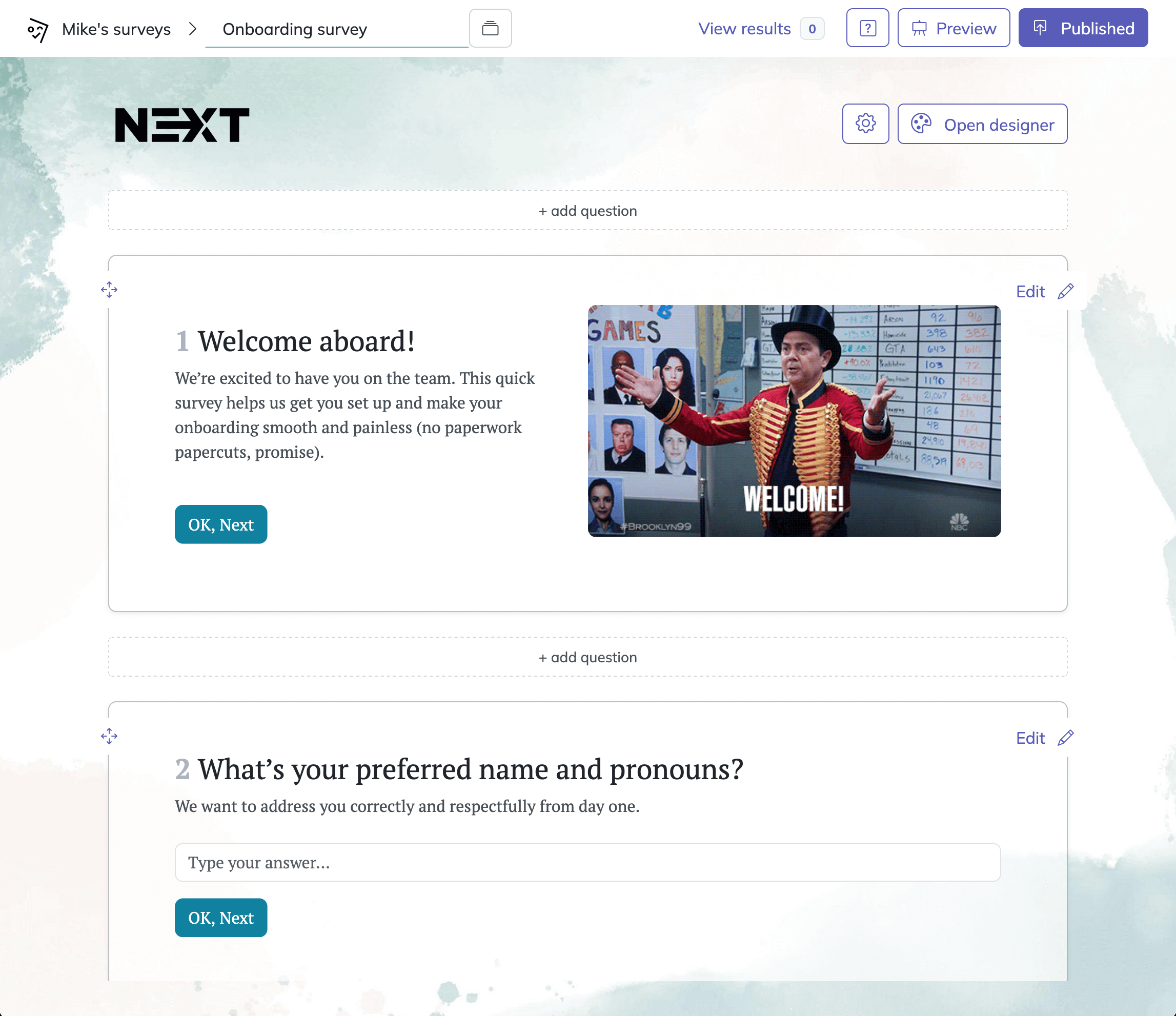
How to create a volunteering survey in HeySurvey
1. Create a new survey
Start by opening a volunteering survey template with the button below, or begin from scratch if you prefer. HeySurvey works without an account for setup, so you can explore the editor first. Once your survey opens, give it a clear internal name and choose the layout that fits your needs, such as one question per page for a simple volunteer signup flow.
2. Add questions
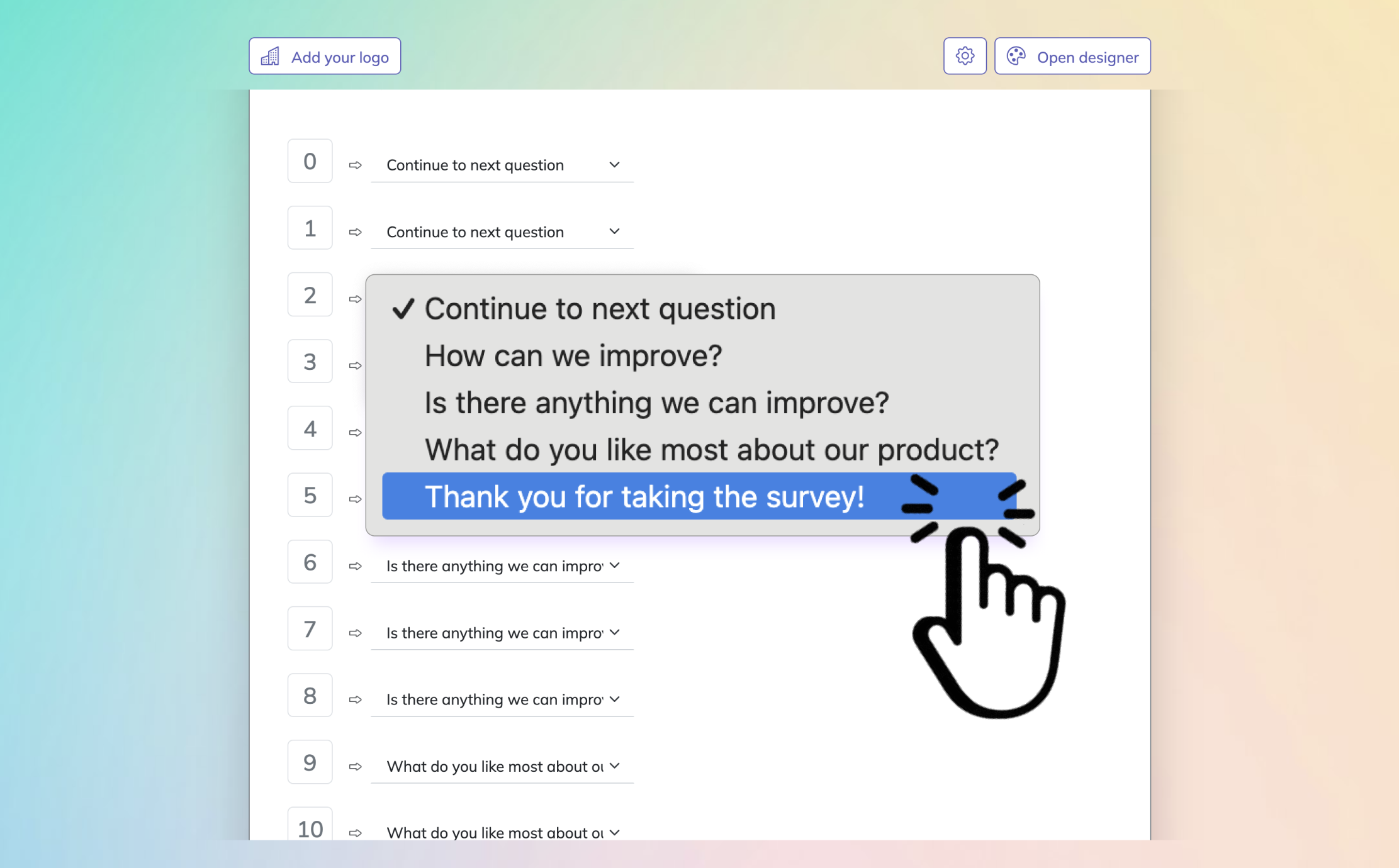
Click Add Question to build your survey. For volunteering surveys, good question types include Choice for preferred activities, Text for availability or experience, Dropdown for location, and Contact Info for name and email. You can mark important questions as required, add descriptions, and reorder questions anytime. If needed, use branching to show follow-up questions based on a respondent’s answer.
3. Publish survey
Preview your survey to check everything looks right, then click Publish to make it live. After publishing, copy the shareable link and send it to volunteers. You can also embed the survey on your website or share it in email.
New Volunteer Onboarding Survey Questions
Sample questions
How clear were the expectations for your volunteer role before you started?
How helpful was the onboarding or orientation process?
Did you feel prepared to complete your volunteer tasks on your first day?
What questions did you still have after training?
What could we improve to make the onboarding experience better for new volunteers?
A volunteer satisfaction survey can catch onboarding hiccups before they become goodbye emails.
Why & When to Use
A volunteer survey for onboarding helps you measure first impressions, role clarity, and whether your training actually prepared people to succeed.
Here’s the thing, even excited volunteers can lose confidence fast if instructions feel fuzzy or the first shift feels like a pop quiz.
Send this volunteer satisfaction survey shortly after orientation, training, or the first volunteer shift, while details are still fresh and useful.
Plus, this is one of the simplest ways to reduce early volunteer churn, because you can spot confusion before it turns into silence.
These questions to ask volunteers about their experience are especially helpful for first-time volunteers, who often notice gaps your long-time team no longer sees.
Use your volunteer survey template to measure practical things like:
clarity of expectations
preparedness for first-day tasks
confidence after training
ease of scheduling and paperwork
friction in communication or training delivery
On top of that, responses can reveal whether your onboarding process is welcoming, clear, and easy to follow, or whether it accidentally feels like assembling furniture without the instructions.
If you are building a better volunteer survey, browsing examples with site:heysurvey.io can help you shape stronger volunteer questions, including post event survey questions for volunteers and other onboarding follow-ups.
Research shows volunteer satisfaction—especially with organizational management and assigned tasks—is strongly linked to retention, making onboarding clarity and preparedness critical survey areas. Source
Volunteer Satisfaction Survey Questions
Sample questions
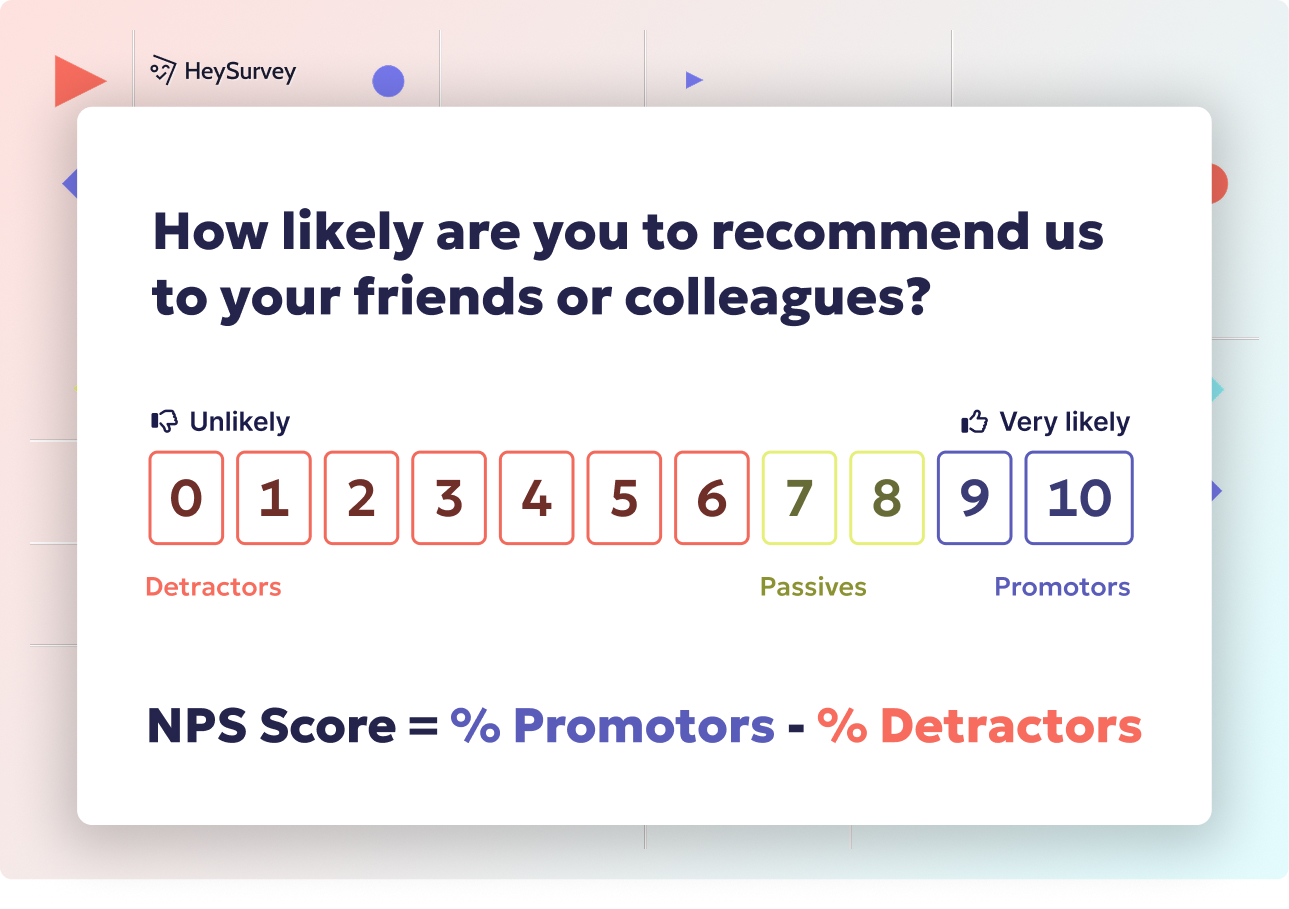
How satisfied are you with your overall volunteer experience?
Do you feel your time and effort are appreciated by our organization?
How meaningful do you find the work you do as a volunteer?
How supported do you feel by staff or volunteer leaders?
How likely are you to continue volunteering with us in the future?
A strong volunteer satisfaction survey helps you spot loyalty, burnout, and quiet frustration before volunteers drift away.
Why & When to Use
A volunteer survey like this measures how valued, supported, and fulfilled your volunteers feel while doing the work.
Here’s the thing, people stay longer when they feel appreciated, useful, and backed by real humans, not just reminder emails.
Use this volunteer satisfaction survey quarterly, twice a year, or annually for active volunteers, depending on how often people serve and how quickly roles change.
Plus, this is one of the most searched survey formats for a reason, because solid volunteer satisfaction survey questions give you an early read on retention before attendance starts wobbling.
A good volunteer satisfaction survey template should help you track the biggest loyalty signals over time, including:
recognition and appreciation
support from staff or volunteer leaders
sense of purpose and impact
overall satisfaction
likelihood to keep volunteering
On top of that, include at least one open-ended question so volunteers can explain what is working, what feels off, and what would make the experience better.
If your program has multiple teams, compare results by role, location, or tenure to find patterns that a single average score can hide.
If you want ideas for a volunteer survey template, browsing examples with site:heysurvey.io can help you refine volunteer questions, including questions to ask volunteers about their experience.
Volunteer Experience Feedback Survey Questions
Sample questions
How well does your volunteer role match your skills and interests?
How effective is communication from staff or volunteer coordinators?
Do you have the tools and resources needed to volunteer effectively?
Have you encountered any challenges during your volunteer experience?
What is one change that would improve your experience as a volunteer?
This volunteer survey helps you improve the real day-to-day experience, not just measure whether people leave with a smile.
Why & When to Use
A volunteer experience feedback survey focuses on what volunteering actually feels like in practice, including communication, role fit, supervision, workload, and the overall quality of the experience.
Here’s the thing, a volunteer survey questions tells you how people feel overall, but this version shows you what is working, what is clunky, and what is quietly eating everyone’s patience for lunch.
Use this volunteer survey with active volunteers after a set period of service, such as 30 to 90 days, or after a major program cycle, event season, or campaign.
Plus, these are especially strong questions for volunteers when your goal is improving operations, training, and support systems, not just tracking happiness scores.
A smart volunteer survey template in this category should ask about the basics that shape daily success, like:
role alignment with skills and interests
communication quality from staff or coordinators
tools, materials, and resource gaps
challenges volunteers faced while serving
changes that would improve the experience
On top of that, this section works well for searches like questions to ask volunteers about their experience, volunteer questions, and even post event survey questions for volunteers.
If you want inspiration, reviewing examples with site:heysurvey.io can help you sharpen your volunteer survey fast.
Research shows volunteer surveys should assess role clarity, skill-role fit, communication, and organizational support because these factors improve satisfaction and retention (PubMed).
Post-Event Survey Questions for Volunteers
Sample questions
How organized did the event feel from a volunteer perspective?
Were your responsibilities clear before and during the event?
Did you receive the support you needed during your shift?
What challenges, if any, did you face while volunteering at the event?
Would you volunteer for a future event with us? Why or why not?
A strong volunteer survey right after an event helps you catch what worked, what slipped, and what nearly ran on duct tape and optimism.
Why & When to Use
Post event survey questions for volunteers are perfect when you want to evaluate how the event actually ran for the people making it happen.
A good volunteer satisfaction survey after an event helps you measure logistics, shift management, role clarity, support from staff, and whether volunteers are willing to come back again.
Here’s the thing, timing matters a lot.
Send your volunteer survey within 24 to 72 hours after the event, while details are still fresh and before every shift blends into one giant memory of folding tables and name tags.
This format works especially well for charity runs, fundraisers, festivals, school events, and community service days.
A practical volunteer survey template for events should ask about:
logistics and check-in flow
communication before and during the event
staffing levels and shift coverage
supplies, materials, and setup issues
volunteer morale and on-site leadership
Plus, keep your volunteer questions event-specific so the feedback is useful, not vague.
On top of that, use results to improve check-in, supplies, leadership support, and future scheduling.
If you want more examples, searching site:heysurvey.io can help you build a sharper volunteer survey fast.
Volunteer Exit Survey Questions
Sample questions
What is the main reason you are no longer volunteering with us?
Did your volunteer experience meet your expectations? Why or why not?
Were there any challenges that influenced your decision to leave?
What could we have done differently to improve your experience?
Would you consider volunteering with us again in the future?
A thoughtful volunteer exit survey helps you learn why people leave before the same issues quietly chase away your next great volunteer, too.
Why & When to Use
A volunteer survey for exiting volunteers gives you a clearer picture of why people step away, what caused frustration, and which retention problems have been hiding in plain sight.
Plus, a well-timed volunteer satisfaction survey can reveal concerns that active volunteers may be too polite, too busy, or too cautious to share while they are still involved.
Send this survey when someone officially resigns, becomes inactive, or finishes a seasonal commitment.
Here’s the thing, this is one of the most useful volunteer questions formats for improving long-term retention, because it shows you the difference between normal life changes and fixable organizational issues.
A smart volunteer survey template should help you separate feedback into categories like:
unavoidable departures such as moving, health changes, or schedule conflicts
preventable issues such as poor communication, unclear roles, or lack of support
future interest, including whether the volunteer would return under better conditions
On top of that, keep the tone respectful and non-defensive.
You are not trying to win a debate here, you are trying to learn something useful.
Use exit feedback to strengthen volunteer management, improve onboarding and support, and make your retention strategy a lot less guessy.
If you want more inspiration, searching site:heysurvey.io can help you compare volunteer survey examples and build better questions to ask volunteers about their experience.
Best Practices for Writing and Sending Volunteer Surveys
Sample questions
Is each question directly tied to a decision we need to make?
Are we asking only what volunteers can realistically answer?
Have we kept the survey short enough to complete easily?
Does the wording feel neutral, clear, and respectful?
Do we have a plan to act on the responses we collect?
The best volunteer survey is not the longest one, it is the one people actually finish and that gives you answers you can use.
Why & When to Use
These best practices apply to every volunteer survey, whether you are building a volunteer satisfaction survey, a volunteer survey template for recruitment, post event survey questions for volunteers, or an exit questionnaire.
Here’s the thing, this section is your go-to framework for getting honest, useful, and actionable feedback instead of a pile of nice-sounding mush.
Use these rules anytime you write volunteer questions and want better data, stronger decisions, and fewer shrug-worthy responses.
A smart volunteer survey should follow a few simple dos:
Do keep surveys concise and focused on one purpose.
Do mix rating-scale and open-ended questions.
Do send surveys at the right moment in the volunteer journey.
Do explain why feedback matters and how it will be used.
Do segment results by role, event, tenure, or location when useful.
Do protect anonymity when asking sensitive questions.
And yes, there are a few traps worth dodging like a folding table at a busy event:
Don’t ask too many questions in one survey.
Don’t combine multiple ideas into one question.
Don’t use leading or guilt-inducing wording.
Don’t collect feedback without reviewing and acting on it.
Don’t send the same survey to every volunteer without context.
Don’t ignore low response rates or unclear data patterns.
Plus, if you want more examples, search site:heysurvey.io for volunteer survey ideas and questions to ask volunteers about their experience.
How to Turn Volunteer Survey Insights Into Action
Sample questions
Which volunteer concerns appear most often in the responses?
What issues are easiest to fix in the next 30 days?
Which improvements would have the biggest impact on volunteer satisfaction or retention?
What should we communicate back to volunteers about what we learned?
How will we measure whether changes actually improved the volunteer experience?
A volunteer survey only earns its keep when you turn feedback into better experiences.
Why & When to Use
Collecting volunteer survey responses is only useful if you actually use them to improve your program, not just admire them in a spreadsheet like a tiny museum exhibit.
Use this step after every volunteer satisfaction survey, volunteer survey template, or post event survey questions for volunteers review cycle so you can spot quick wins, recurring issues, and bigger long-term improvements.
Here’s a simple action flow you can follow:
Organize feedback by theme, role, event, or location.
Spot trends that show up again and again.
Prioritize fixes based on effort and impact.
Assign owners and deadlines for each change.
Communicate updates back to volunteers.
Measure results in your next volunteer survey.
Plus, the best changes are usually practical and visible fast.
That might mean better scheduling, clearer training, more volunteer recognition, or stronger day-of-event support.
On top of that, closing the loop matters a lot.
When you tell volunteers what you learned and what you changed, your volunteer satisfaction survey feels meaningful, not performative.
If you want more ideas, search site:heysurvey.io for volunteer survey examples, volunteer questions, volunteer recruitment survey questions, and questions to ask volunteers about their experience.
Turning Volunteer Survey Insights Into Action
Sample questions
Which survey findings point to the biggest barriers in the volunteer journey?
What themes appear most often in volunteer comments and ratings?
Which issues can be improved quickly with low effort?
What longer-term changes should be prioritized based on feedback?
How will you communicate improvements back to volunteers?
A volunteer survey only shines when you use it to make real improvements.
Why & When to Use
Use this final step when you want your volunteer satisfaction survey to do more than collect nice comments, confusing comments, and the occasional masterpiece of punctuation.
It works especially well when you are reviewing volunteer survey questions from recruitment, onboarding, events, and follow-up, then turning that feedback into a better experience people actually want to return to.
Here’s the thing, the smartest move is to group volunteer survey feedback into clear themes so patterns are easy to spot.
Common buckets include:
recruitment
training
communication
recognition
scheduling
Once themes appear, prioritize them by impact and feasibility.
That means asking which fixes will help the most volunteers, which changes are quick wins, and which bigger updates deserve a longer timeline.
A practical volunteer survey template for action might help you sort findings into:
what volunteers loved
what caused friction
what can be fixed fast
what needs planning and budget
who owns the next step
Plus, close the loop.
When volunteers answer questions for volunteers and share honest feedback, tell them what changed because of it, because silence makes even the best volunteer survey questions feel like they vanished into a spreadsheet dungeon.
Related Volunteer Survey Surveys
31 Volunteer Survey Questions to Ask Today
Explore 25 volunteer survey questions with sample questions to help you gather feedback, improve ...