31 Travel Survey Questions
Travel survey questions with 25 sample questions to help you create insightful surveys, gather feedback, and improve travel experiences.
Travel survey questions are the prompts you use to learn what travelers want, expect, and remember, whether you handle vacations, events, hotels, destinations, or business trips. The right questions reveal better travel decisions.
Here's the thing: the best questions about tourism, questions regarding tourism, and business travel survey questions depend on your goal, from feedback and market research to trip planning, visitor satisfaction, and policy improvement.
In this guide, you’ll find travel questionnaire ideas, travel survey questions examples, tourist survey questions, a tourism survey questionnaire, and a travel habits survey, plus practical ways to turn answers into smarter experiences and better results with an online survey tool.
Sample questions
What type of trips do you take most often: leisure, adventure, family, luxury, cultural, or business travel?
How many trips do you typically take in a year?
What factors most influence your travel decisions: price, destination, safety, weather, reviews, or convenience?
How far in advance do you usually plan and book your trips?
Which destinations or travel experiences are you most interested in over the next 12 months?
General Travel Preferences Survey Questions
Broad preferences help you segment smarter.
Why & When to Use
Use this style of survey when you want a high-level view of what people actually want before you build offers, packages, or content.
It works especially well early, when you are still shaping ideas and do not want to guess your way into a campaign like a suitcase-packing raccoon.
These questions about tourism are ideal for travel agencies, tour operators, tourism boards, bloggers, and brands doing early-stage market research survey questions.
Plus, this format gives you a simple starting point for questions regarding tourism, questions of travel, tourism questions for surveys, and a wider travel questionnaire.
The biggest win is segmentation.
When you know who prefers luxury, who books late, who cares most about safety, and who is eyeing business travel, you can stop sending the same message to everyone.
Use a mix of question types to keep the survey useful and easy to answer:
Multiple-choice questions help you spot patterns fast.
Ranking or priority questions show what drives decisions most.
One open-ended question adds context you would never get from boxes alone.
On top of that, the answers can guide:
marketing campaigns by audience type
package design by budget or interest
destination content by intent and timing
targeting for tourism survey questionnaire or travel habits survey follow-up work
That is how simple tourism questions turn into sharper offers and better timing.
Sample questions
How do you usually book your travel: directly, through an agency, through an app, or via comparison websites?
What type of accommodation do you book most often: hotel, resort, rental, hostel, or staying with friends or family?
What is your typical per-trip budget range?
Which mode of transportation do you use most often for travel?
Do you prefer detailed itineraries or flexible travel plans?
Research shows effective travel surveys should cover motivations, transport, accommodation, destination choice, budget, travel companions, and safety concerns to capture traveler preferences comprehensively. Source
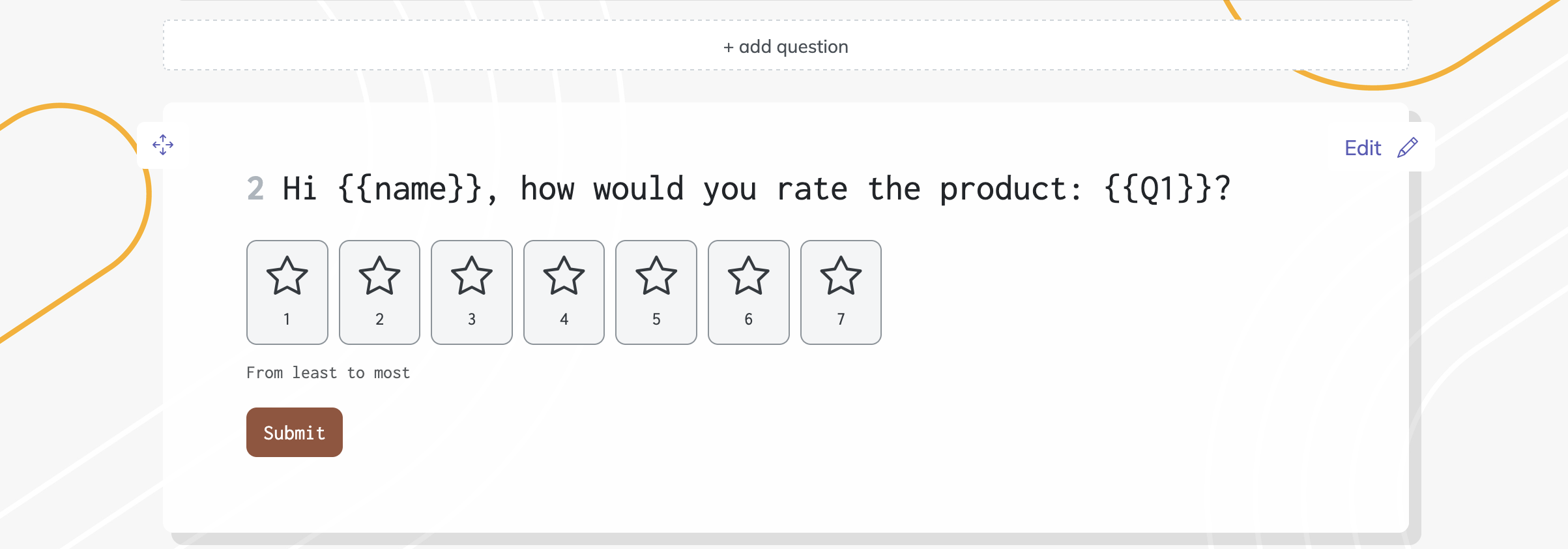
Create a travel survey in HeySurvey
1. Create a new survey
Start by opening a travel survey template with the button below, or choose an empty survey if you want to build from scratch. HeySurvey lets you begin without an account, so you can explore first and sign up later when you’re ready to publish. Give your survey a clear name, and use the editor to set up the basic structure for your travel questions.
2. Add questions
Click Add Question to include the questions you need. For a travel survey, you might ask about travel habits, preferred destinations, trip frequency, budget, transportation, and satisfaction with past trips. Use Choice questions for multiple options, Scale questions for ratings, and Text questions for open answers. You can mark important questions as required so respondents don’t skip them.
3. Publish survey
Before sharing, preview your survey to check the flow and wording. When everything looks right, click Publish to generate a shareable link. Your travel survey is now ready to send to travelers, customers, or your audience.
Travel Habits Survey Questions
Behavior patterns reveal what travelers actually do.
Why & When to Use
A travel habits survey helps you spot repeat behavior, not just nice-sounding opinions.
That means you can learn booking windows, spending patterns, accommodation preferences, transportation choices, and trip frequency with much less guesswork.
Here’s the thing: questions about tourism that focus on habits are often more useful than broad preference questions because behavior tends to predict future action better.
Use this format when you want to refine offers based on real traveler behavior rather than assumptions, especially if you sell trips, packages, lodging, or add-ons.
Plus, this approach works well for brands building smarter survey target market survey questions regarding tourism, tourist survey questions, and even business travel survey questions when booking routines matter.
To get cleaner answers, use ranges instead of asking people to type exact numbers from memory.
For example, budget bands and trip-frequency ranges make your tourism survey questionnaire easier to complete and much easier to analyze later.
On top of that, this data can support:
personalization by traveler type
pricing decisions based on spending habits
product bundling around transport, lodging, and planning style
stronger follow-up questions in a travel habits survey or wider questions of travel
That is how tourism questions go from interesting to genuinely useful.
Sample questions
How satisfied were you with your overall travel experience?
How would you rate the quality of accommodation, transportation, and local services?
Did the trip meet your expectations based on the information provided before booking?
What was the best part of your experience?
What could have been improved during your trip?
Survey methodology research finds response ranges or brackets make numeric questions easier to answer and often improve response quality versus exact figures (Pew Research Center)
Tourist Satisfaction Survey Questions
Satisfaction feedback shows you what travelers will remember and repeat.
Why & When to Use
Tourist satisfaction surveys work best after a trip, hotel stay, guided tour, cruise, or attraction visit, when the experience is still fresh in your visitor’s mind.
This is one of the most common forms of tourism survey questionnaire design because it helps you measure how people felt about the experience, not just what they booked.
Here’s the thing: questions about tourism that focus on satisfaction can uncover what delighted people, what disappointed them, and what quietly annoyed them enough to never come back. Tiny friction points love to hide in plain sight.
These questions regarding tourism are especially useful for:
hotels
attractions
cruise operators
local tour providers
destination marketing organizations
Plus, strong tourist survey questions should cover the full visitor journey, not only the destination itself.
That includes pre-booking information, arrival, check-in, transportation, service quality, activities, and post-trip impressions.
A smart setup uses rating scales for easy comparison, then adds open-text follow-ups so people can explain the score in their own words.
On top of that, satisfaction data can help improve reviews, boost repeat bookings, and increase referrals, which is a pretty nice return for a few well-placed tourism questions.
It also fits broader business travel survey questions and other questions of travel when experience quality matters just as much as logistics.
Sample questions
How familiar are you with this destination or tourism offering?
What attracts you most to this destination: culture, food, scenery, affordability, events, or relaxation?
What concerns, if any, might prevent you from visiting?
Which sources do you trust most when researching destinations?
How likely are you to recommend this destination to others?
Destination and Tourism Market Research Questions
Market research reveals why people notice a destination, consider it, or scroll right past it.
Why & When to Use
These questions about tourism help you understand how people perceive a destination, what makes it appealing, and what might stop them from booking.
They are especially useful when you want to measure awareness, demand drivers, and visitor barriers tied to a place, attraction, route, or tourism product.
Here’s the thing: awareness, consideration, and intent are not the same.
Awareness asks whether people know you exist, consideration explores whether they would seriously look at you, and intent measures how close they are to actually booking. Tiny wording changes can reveal very different truths, which is both helpful and mildly sneaky.
This type of tourism survey questionnaire works well for:
tourism boards
destination marketers
travel startups
tourism researchers
regional development teams
Plus, strong questions regarding tourism should also compare your destination with competitor locations when relevant.
That helps you see whether travelers choose you for price, uniqueness, convenience, safety, or experience quality.
On top of that, these tourism questions can shape branding, sharpen messaging, and guide tourism development decisions.
They also connect nicely with broader questions of travel, travel habits survey planning, and even business travel survey questions when destination appeal affects both leisure and work-related demand.
Sample questions
How often do you travel for business in a typical quarter?
How easy is it to book travel within the current company policy?
Which part of the business travel process causes the most frustration?
Do approved travel options adequately balance cost, comfort, and convenience?
What changes would most improve your business travel experience?
Expedia-Luth research found travelers consider trips for 71 days on average, showing destination surveys should measure early awareness and consideration, not just booking intent (source)
Business Travel Survey Questions
Business travel survey questions help you spot what is draining time, money, and traveler patience.
Why & When to Use
These business travel survey questions are built to measure employee experience and operational efficiency at the same time.
They help you understand whether your travel policy actually works in real life, not just in a very optimistic spreadsheet.
Here’s the thing: a travel program can look cost-effective on paper and still annoy everyone using it.
That is why this survey type is so useful for HR teams, travel managers, finance leaders, and any company with frequent travelers.
Strong questions regarding tourism can overlap with corporate trips too, especially when questions about tourism connect with hotels, transport, destination choice, and traveler preferences.
Use these surveys when you want to review booking convenience, cost control, duty-of-care concerns, and traveler safety.
They are also helpful for improving the less glamorous parts of travel, like expense processes and approval workflows, because nobody dreams of chasing receipts at 11 p.m.
This type of travel habits survey can reveal where friction shows up most:
confusing booking tools
slow approvals
limited flight or hotel options
reimbursement delays
safety or support concerns while traveling
Plus, the findings can support policy updates, improve vendor negotiations, and create a smoother experience for travelers without losing sight of budget goals.
On top of that, these questions about tourism and broader questions of travel can also help companies compare comfort, compliance, and convenience more clearly.
Sample questions
What information do you need most before booking a trip?
Which booking concerns matter most to you: cancellation flexibility, price transparency, safety, or reviews?
How many websites or platforms do you usually compare before booking?
What is the biggest reason you delay booking travel?
Which promotional offers are most likely to influence your booking decision?
Pre-Trip Planning and Booking Survey Questions
Pre-trip survey insights show you where booking confidence rises or quietly falls apart.
Why & When to Use
These travel survey questions examples help you understand how people make decisions before departure, especially during the research and booking stage.
If you want sharper questions about tourism, this is where you start, because most booking friction shows up before anyone packs a suitcase.
These questions regarding tourism are especially useful for travel agencies, booking platforms, hotels, airlines, and travel content publishers.
Plus, they help you see what travelers need to feel confident enough to click "book now" instead of wandering off to compare 17 tabs like it is an Olympic event.
Use this section when you want to reduce booking friction, lower abandonment, and improve conversion rates.
On top of that, a smart tourism survey questionnaire can reveal whether unclear pricing, weak reviews, missing details, or limited flexibility are slowing people down.
This kind of insight supports stronger content, better offers, and smoother user journeys across your site or platform.
It can help you uncover friction points like:
missing trip details that reduce trust
pricing that feels confusing or incomplete
weak cancellation information
too many comparison steps before booking
promotions that fail to motivate action
Here’s the thing: strong tourist survey questions do more than collect opinions.
They help you improve trust, refine messaging, and turn early-stage interest into actual bookings through better questions of travel and smarter questions about tourism.
Sample questions
Is each question tied to a specific business or research objective?
Is the wording simple enough for travelers from different backgrounds to understand?
Are answer options mutually exclusive and easy to choose from?
Does the survey balance closed-ended and open-ended questions appropriately?
Is the survey short enough to maintain completion rates?
Best Practices for Writing Travel Survey Questions
Great survey writing turns messy feedback into useful decisions.
Why & When to Use
Even strong questions about tourism can flop if the wording is vague, biased, too long, or sent at the wrong moment.
Here’s the thing: a smart travel questionnaire is not just about what you ask, but how, when, and why you ask it.
This section is essential if you are building a tourism questionnaire, refining tourist survey questions, or improving business travel survey questions for better response quality.
Plus, strong questions regarding tourism help you collect feedback people can actually answer without squinting, guessing, or rage-tapping their screens.
Use these best practices when you want cleaner data, higher completion rates, and more reliable insights from any travel habits survey or tourism survey questionnaire.
A few practical Dos and Don'ts make a big difference:
Do define the goal before writing a single question.
Do group questions by topic and keep the flow logical.
Do use plain language, specific time frames, and mobile-friendly wording.
Do test your questions internally and ask only for information you will use.
Don't combine multiple ideas into one question or use leading wording.
Don't overload people with open-ended prompts, collect unnecessary sensitive data, or ignore timing.
On top of that, the best questions of travel are short, clear, and easy to answer, because your respondents are travelers, not mind readers.
Sample questions
Are you asking questions that are too generic to guide action?
Are you relying only on satisfaction scores without asking why?
Are you missing key traveler segments such as families, solo travelers, or business travelers?
Are you using inconsistent scales that confuse respondents?
Are you failing to ask at the right stage of the travel journey?
Common Mistakes in Tourism Survey Question Design
Small survey mistakes can quietly wreck big decisions.
Why & When to Use
Many questions about tourism underperform because they sound fine at first, but end up collecting answers that are too broad, too shallow, or too messy to use.
Here’s the thing: poor results do not always come from bad tourism questions alone, because weak survey strategy can also spoil good intentions.
Use this section when you want to improve questions regarding tourism, sharpen a tourism survey questionnaire, or tighten business travel survey questions before they drain attention and give you fuzzy data.
Plus, this helps if your current tourist survey questions get lots of responses but very few useful insights, which is basically the survey version of bringing home a suitcase full of socks and forgetting your charger.
Watch for these common pitfalls:
Asking vague questions like "How was your trip?" instead of targeting specific parts of the experience.
Using only rating scales without follow-up questions that explain the score.
Forgetting important traveler groups in your questions of travel, such as families, solo visitors, or corporate guests.
Mixing rating scales from question to question, which confuses respondents and weakens comparisons.
Asking at the wrong moment, like sending a travel habits survey before travelers have enough experience to answer well.
On top of that, cleaner input leads to better decisions, better offers, and better experiences for future travelers.
Sample questions
Which survey findings point to the biggest traveler pain points?
Which traveler segments show the highest value or strongest intent?
What recurring complaints or requests appear across responses?
Which insights can be acted on immediately versus later?
How will you measure whether changes based on survey feedback actually worked?
How to Turn Travel Survey Insights Into Action
Good survey data should earn its keep.
Why & When to Use
Collecting answers is only useful if your questions about tourism lead to real improvements you can see, track, and repeat.
Here’s the thing: this final step is the bridge between survey responses and actual decisions in customer experience, tourism marketing, operations, and even travel policy.
Use it when your questions regarding tourism have produced plenty of feedback, but now you need to decide what to fix, test, improve, or promote next.
Plus, this works for leisure and corporate audiences alike, so your business travel survey questions are not just gathering dust in a spreadsheet somewhere.
A simple action framework helps:
Categorize insights by theme, such as booking friction, destination messaging, pricing, service quality, or traveler expectations.
Prioritize findings by impact and urgency, so you tackle the biggest traveler pain points first.
Assign actions to real teams, like updating packages, improving booking flows, refining marketing messages, or adjusting business travel policies.
Monitor results with clear measures such as conversion rate, repeat bookings, satisfaction, complaint volume, or policy compliance.
On top of that, recurring themes in tourism questions often reveal what travelers want most and what keeps tripping them up.
The best tourism survey questionnaire does not stop at insight.
It turns tourist survey questions and questions of travel into decisions that are specific, timely, and measurable, which is a lot more useful than a colorful chart everyone politely ignores.
Related Market Survey Surveys
31 Market Research Survey Questions
Explore 25 market research survey questions with sample insights to improve your strategy, unders...
29 Coffee Survey Questions for Better Customer Insights
Explore 25 coffee survey questions with sample responses to sharpen your research, uncover prefer...
29 Content Marketing Survey Questions
Explore 25 content marketing survey questions with sample questions, insights, and tips to improv...