29 Tenant Survey Questions
Explore 25 tenant survey questions with sample responses to improve feedback, boost satisfaction, and measure rental experience insights.
A tenant satisfaction survey is a simple way to ask residents what is working, what is not, and what needs attention before small issues turn into move-out notices. For property managers, landlords, and multifamily operators, tenant surveys help reduce turnover, improve renewals, catch maintenance problems, and strengthen the resident experience.
Plus, this guide will walk you through the best tenant survey types, when to use them, smart tenant satisfaction survey questions, and how to turn feedback into action that actually works.
Move-In Tenant Survey Questions
Sample questions
How satisfied were you with the leasing and application process?
Was your home clean, functional, and ready on move-in day?
How clearly did our team explain building policies, amenities, and maintenance procedures?
Did you notice any maintenance or condition issues in your unit after moving in?
On a scale of 1 to 10, how likely are you to recommend our property based on your move-in experience?
First impressions shape everything.
Why & When to Use
A move-in tenant satisfaction survey helps you capture those all-important first impressions while they are still fresh. It gives you useful feedback on the leasing experience, staff communication, move-in logistics, and whether the unit actually felt ready on day one.
Here’s the thing, small issues found early are much easier to fix than bigger complaints filed weeks later. That is why this type of tenant survey works best within the first 7 to 14 days after move-in.
It is especially helpful for onboarding new residents and spotting missed punch-list items before frustration starts to simmer. Plus, sending tenant surveys this early shows tenants you are responsive, organized, and not just disappearing like socks in a dryer.
To make your tenant satisfaction survey more useful, combine rating-scale questions with open-ended prompts. That way, you get measurable data and real-world comments you can actually act on.
A strong move-in tenant survey or tenant satisfaction survey template for new residents should ask about:
leasing and application experience
cleanliness and unit condition
staff communication and policy explanations
amenities access and building orientation
move-in day logistics and early maintenance issues
On top of that, these tenant satisfaction survey questions can set the tone for a better resident relationship from the very beginning.
Residents satisfied with move-in are 31% more likely to plan lease renewal within the first weeks, highlighting why early tenant surveys matter (source).

How to create a tenant survey in HeySurvey
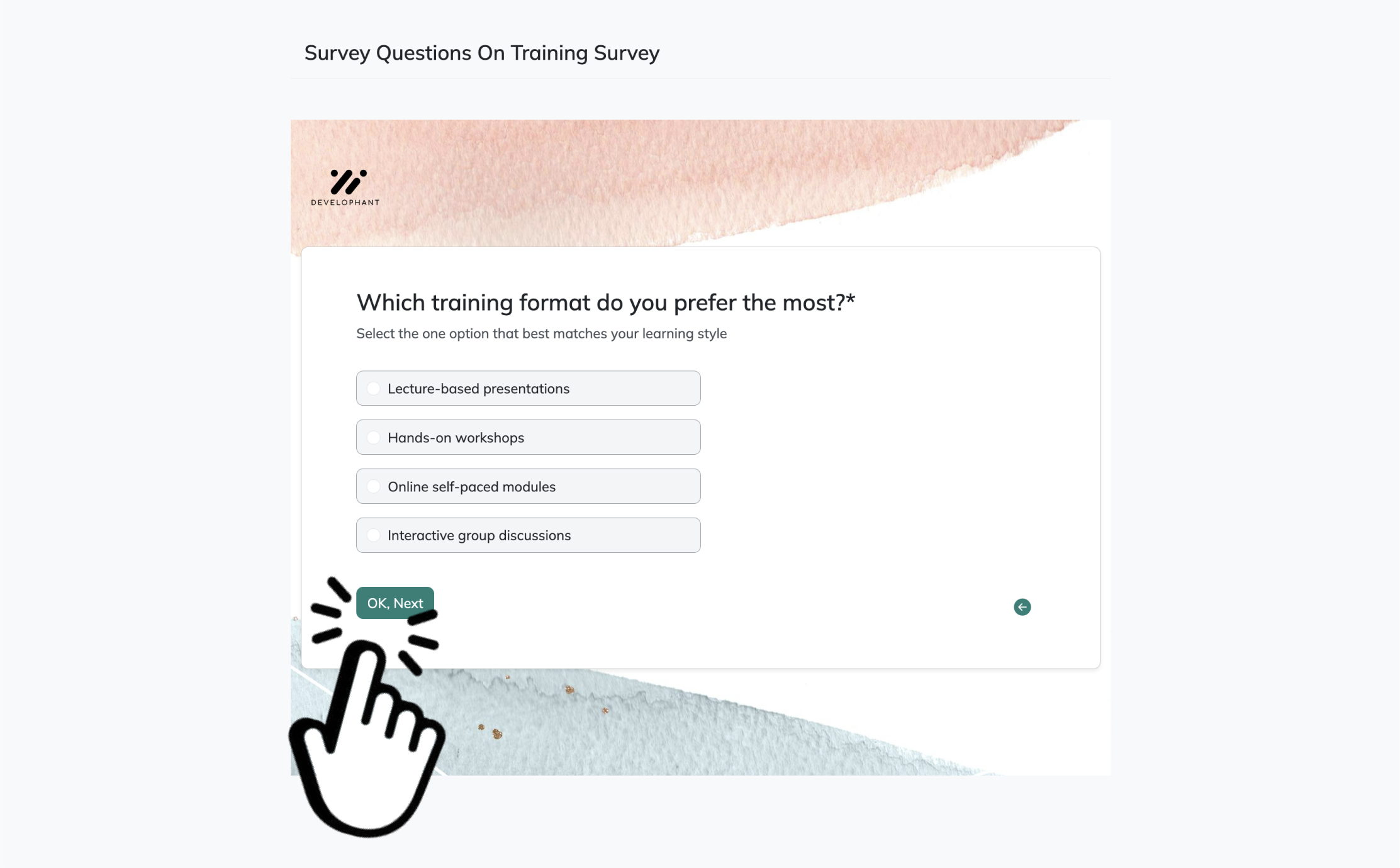
1. Create a new survey
Start by opening a template below these instructions, or choose an empty sheet if you want to build from scratch. In the survey editor, give your survey a clear name, such as “Tenant Survey.” You can also add your logo and adjust basic settings like language, dates, and response limits.
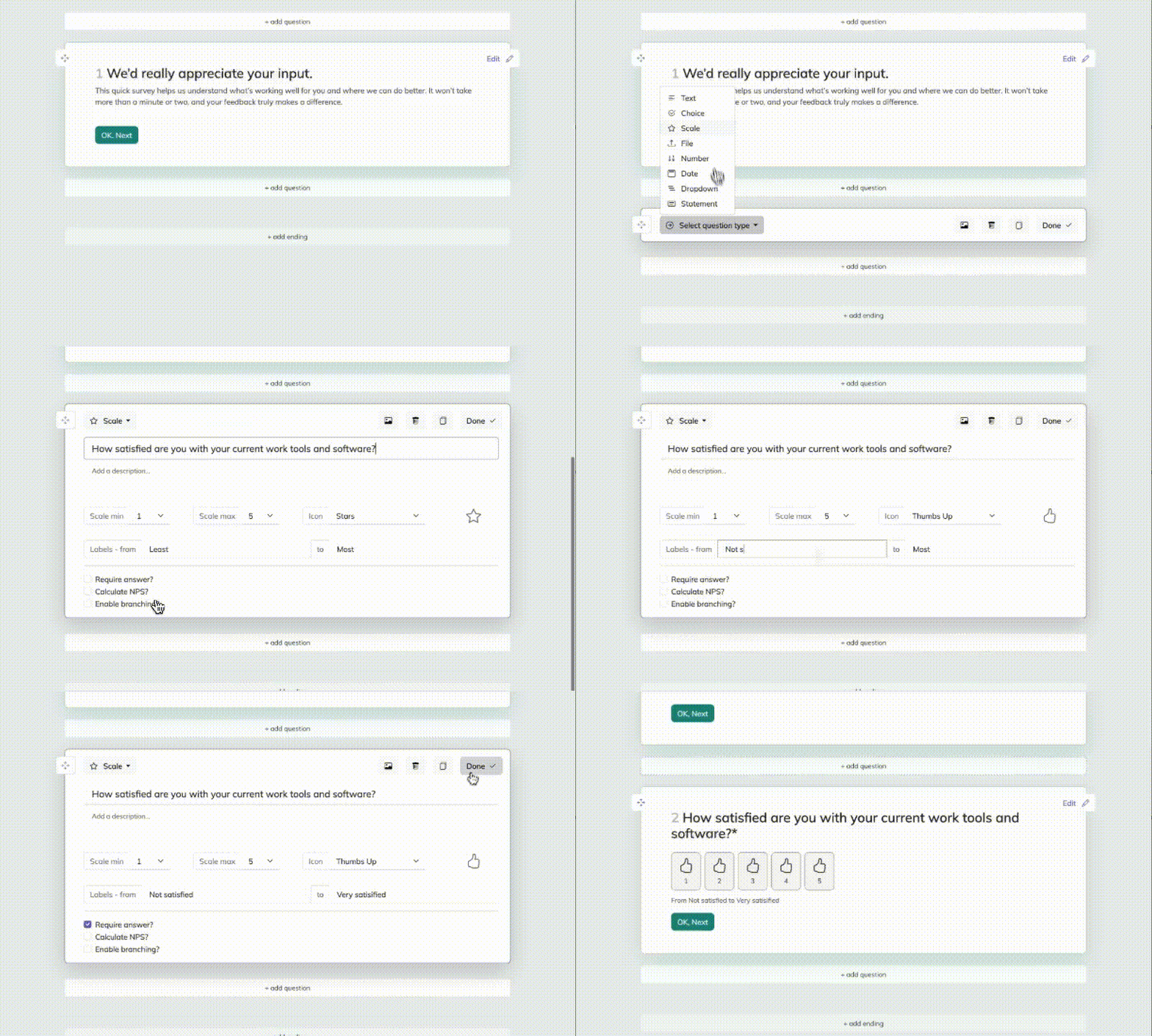
2. Add questions
Click Add Question to include the questions you want tenants to answer. For this type of survey, use Choice, Scale, NPS, or Text questions to ask about maintenance, cleanliness, communication, rent, and overall satisfaction. Mark important questions as Required so you don’t miss key feedback. You can also add follow-up questions with branching if a tenant gives a low rating.
3. Publish survey
When your questions are ready, click Preview to check the survey, then Publish to create a shareable link. You can send it to tenants by email, post it online, or embed it on your website.
Maintenance and Repair Tenant Survey Questions
Sample questions
How satisfied were you with the speed of our maintenance response?
Was the repair completed correctly the first time?
Did the maintenance team communicate arrival time and repair status clearly?
How professional and respectful was the technician during the visit?
Is there anything we could have done to improve your repair experience?
Fast repairs build lasting trust.
Why & When to Use
A maintenance-focused tenant satisfaction survey helps you measure the issues tenants feel most strongly about: response time, repair quality, technician professionalism, and whether the job actually got finished. In both residential and commercial settings, this type of tenant survey gives you a clear view of how well your service team performs when something goes wrong.
Here’s the thing, few things affect renewals faster than maintenance. If repairs are slow, messy, or half-finished, even a beautiful property starts losing points.
That is why maintenance tenant surveys are one of the highest-impact tools in any property management feedback program. Plus, they work best when sent right after each completed work order, or included in recurring help desk survey questions to track patterns over time.
A strong tenant satisfaction survey should help you compare emergency requests with routine maintenance expectations. A broken AC in July and a loose cabinet hinge should not follow the same urgency rules, and your tenant surveys should reflect that reality.
Use these tenant satisfaction survey questions to spot problems like:
delayed response times
unclear communication from staff or vendors
repeat repair issues
poor follow-through after the visit
gaps in staffing, vendor performance, or internal processes
On top of that, repeated complaints in a tenant survey can reveal bigger operational issues before they turn into expensive turnover headaches.
Research shows tenant satisfaction with maintenance depends more on management’s response time than money spent, making response-speed survey questions especially predictive (source).
Property Management and Communication Survey Questions
Sample questions
How satisfied are you with the responsiveness of the property management team?
Are building rules, fees, and policies communicated clearly?
How easy is it to reach the right person when you need help?
Do you feel your questions or concerns are taken seriously?
What is one thing our management team could do better?
Clear communication keeps small issues from becoming big headaches.
Why & When to Use
A tenant satisfaction survey focused on property management and communication helps you understand how tenants experience the people behind the property, not just the property itself. It measures office responsiveness, clarity around rules and billing, follow-up consistency, and the overall level of trust tenants place in your management team.
Here’s the thing, this is one of the most important tenant surveys you can run because communication shapes nearly every part of the tenant experience. If email replies are slow, phone calls bounce around, portal messages disappear into the void, or in-person questions get vague answers, confidence drops fast.
That is why this section should sit at the center of any property management tenant satisfaction survey. Use it quarterly or biannually, and also send it after major announcements, policy changes, staffing transitions, or billing updates that may affect how surveys for tenants reflect management performance.
A smart tenant survey should also explore how well concerns are handled from start to finish, not just whether someone eventually replied.
Use these tenant satisfaction surveys to spot issues like:
slow response times across email, phone, portal, or front-desk communication
unclear policies, fees, lease terms, or billing notices
inconsistent follow-up after complaints or service questions
long complaint resolution timelines
weak trust in management accountability
On top of that, strong tenant satisfaction survey questions can show whether your team is communicating clearly or playing the world’s least fun game of message tag.
Amenities and Community Experience Survey Questions
Sample questions
Which amenities do you use most often?
How satisfied are you with the cleanliness and condition of shared spaces?
Do our amenities meet your day-to-day needs?
What additional amenity or community feature would you most like to see?
How satisfied are you with resident events or community-building efforts?
The best amenity upgrades come from real tenant feedback, not expensive guesswork.
Why & When to Use
An amenities-focused tenant satisfaction survey helps you learn which features residents actually use, value, and talk about. It gives you a clearer view of how gyms, parking, package rooms, lounges, outdoor spaces, and coworking areas shape everyday satisfaction.
Here’s the thing, not every shiny upgrade improves the tenant experience. A tenant survey can show whether residents want better upkeep, more seating, longer access hours, or entirely new features instead of another “nice in theory” investment.
Use this type of tenant satisfaction survey after amenity upgrades, following resident events, or during annual budget planning. Plus, it helps you make smarter capital decisions by combining real usage patterns with direct feedback from tenant surveys.
A strong tenant survey should collect both ratings and written comments so you get the numbers and the story behind them. That means you can compare what residents score highly with what they still complain about, which is where the useful truth usually lives.
Use these tenant satisfaction surveys to uncover:
which amenities residents use most and which are mostly decorative
whether shared spaces feel clean, safe, and well maintained
gaps between amenity offerings and day-to-day tenant needs
interest in new features before making costly improvements
how resident events and community-building efforts affect overall satisfaction
On top of that, good tenant satisfaction survey questions can save you from spending big on a rooftop foosball table nobody asked for.
Zillow found 38% of recent renters rated at least one common amenity as very or extremely important, rising to 49% in large multifamily buildings (source).
Safety and Security Tenant Survey Questions
Sample questions
How safe do you feel in the building or community overall?
How satisfied are you with lighting in parking lots, hallways, and common areas?
Do you feel secure using entry systems, locks, gates, or access controls?
Have you experienced or witnessed any safety or security concerns that management should address?
What changes would help you feel safer on the property?
A smart tenant satisfaction survey helps you catch quiet safety concerns before they turn into loud problems.
Why & When to Use
A safety-focused tenant survey helps you uncover concerns residents may never submit through normal maintenance tickets or front-desk conversations. People often stay quiet about things like dim lighting, package theft, visitor access, broken gates, or after-hours worries until a tenant satisfaction survey gives them an easy way to say it.
Here’s the thing, technical security measures only tell part of the story. If cameras are installed but tenants still feel uneasy walking from the parking lot at night, your tenant satisfaction survey is doing exactly what it should.
Use this type of tenant satisfaction survey annually, after a reported incident, after staffing changes, or when entry systems, patrols, locks, or access controls are updated. Plus, it is especially useful before making security investments, because tenant surveys can show whether people want better lighting, clearer communication, faster follow-up, or more visible security presence.
Safety-related tenant surveys also reveal communication gaps, not just physical problems. For example, feedback similar to questions like what feedback mechanisms does tishman speyer provide for tenants to voice their concerns and suggestions? often points to a simple truth: tenants want to know how to report concerns and what happens next.
Use tenant satisfaction surveys to identify:
weak spots in lighting, access control, and shared-area security
concerns about cameras, patrol visibility, and visitor management
recurring issues like package theft or late-night building access
places where perceived safety is lower than management expected
communication problems that make security issues feel even worse
On top of that, good security planning beats the old strategy of hoping the gate “looks convincing.”
Lease Renewal and Resident Retention Survey Questions
Sample questions
How likely are you to renew your lease?
What are the biggest factors influencing your renewal decision?
Do you believe your current rent reflects the value you receive?
Have any unresolved issues affected your willingness to stay?
What could we do in the next 30 days to improve your likelihood of renewing?
A well-timed tenant satisfaction survey gives you a chance to keep good residents before their moving boxes start flirting with the hallway.
Why & When to Use
A lease renewal tenant satisfaction survey helps you understand why tenants want to stay, why they are hesitating, and why some are already halfway out the door mentally. Unlike general tenant surveys, this one is built to uncover renewal intent while there is still time to do something useful with it.
Here’s the thing, the best time to send this tenant survey is about 90 to 120 days before lease expiration. That window gives you room to respond to rent concerns, service quality issues, unit condition complaints, or competition from nearby properties before a decision is locked in.
This type of tenant satisfaction survey is one of the most practical tools for reducing churn. It helps you spot controllable barriers to renewal instead of guessing whether move-outs are about price, maintenance, communication, amenities, or plain old frustration.
Use responses to identify patterns such as:
tenants who are likely to renew and need a smooth, simple process
undecided tenants who may stay with better follow-up or issue resolution
likely move-outs who are signaling serious concerns about rent, value, or service
recurring renewal blockers like unresolved repairs, outdated units, or stronger neighborhood offers
Plus, tenant satisfaction surveys work best here when you treat them as a retention tool, not just a feedback form collecting digital dust.
Best Practices for Creating Effective Tenant Surveys
Sample questions
Is our survey short enough to complete in just a few minutes?
Are we asking questions we are truly prepared to act on?
Does each question measure one clear issue rather than multiple topics at once?
Are we including at least one open-ended question for nuanced feedback?
Have we chosen the right time to send this survey?
A smart tenant satisfaction survey is short, clear, and useful, not a 27-question endurance sport.
Why & When to Use
Even strong tenant satisfaction survey questions can flop if your tenant survey is too long, badly timed, or stuffed with things no one plans to fix. Here’s the thing, good tenant surveys are not just about what you ask, but also when you ask it and what you do next.
Use this section as your practical checklist for improving response rates and getting better data across all tenant satisfaction surveys. Plus, when your survey is easier to complete and easier to act on, tenants are more likely to answer honestly instead of speed-clicking their way to freedom.
A few simple dos and don’ts can make a big difference:
Do keep your tenant satisfaction survey focused on one main goal, like maintenance, move-in, amenities, or renewal.
Do mix question types, including ratings, yes/no items, and open-text responses.
Do send tenant surveys at meaningful moments in the resident journey.
Do reassure tenants their feedback will be reviewed and valued.
Do compare results over time to spot trends in satisfaction surveys for tenants.
Don’t ask vague, leading, or double-barreled questions.
Don’t send so many tenant surveys that people start ignoring them.
Don’t collect feedback and then vanish like a magician.
Don’t combine unrelated topics into one confusing tenant satisfaction survey.
Don’t ignore anonymous patterns, even when the source is harder to trace.
Tenant Satisfaction Survey Template and Question Design Tips
Sample questions
Overall, how satisfied are you with your experience at our property?
How likely are you to recommend our property to others?
What is the main reason for your satisfaction rating?
Which area should we prioritize improving first?
Is there anything else you would like management to know?
A reusable tenant satisfaction survey template saves time, keeps your data cleaner, and stops every survey from becoming a blank-page panic.
Why & When to Use
A repeatable tenant satisfaction survey template makes life much easier when you need to run tenant surveys across different buildings, time periods, or goals. Here's the thing, you do not need to rebuild every tenant survey from scratch each time a new feedback need pops up.
The smartest approach is a modular structure. You keep a small core of benchmark questions in every tenant satisfaction survey, then add survey-specific questions based on the property, timing, or issue you want to measure.
This setup helps standardize tenant satisfaction surveys across a single property, several locations, or an entire portfolio. Plus, it gives you trend data you can actually compare over time instead of wrestling a spreadsheet that looks personally offended.
A solid tenant survey template often groups questions into categories like:
service and staff responsiveness
maintenance and repair experience
safety and security
amenities and shared spaces
renewal intent or long-term satisfaction
On top of that, you can customize the same tenant satisfaction survey questions for apartments, commercial properties, or mixed-use buildings. Keep a few questions consistent in all tenant surveys, then tailor the rest so your questionnaire stays relevant without losing benchmarking power.
How to Turn Tenant Survey Results Into Action
Sample questions
Which issues appear most often across survey responses?
Which concerns have the biggest impact on renewals or tenant satisfaction?
What problems can we fix quickly for immediate wins?
Which longer-term improvements require budgeting or vendor changes?
How will we communicate survey-driven changes back to tenants?
A tenant satisfaction survey only pays off when you turn answers into changes people can actually see.
Why & When to Use
Collecting feedback is only half the job. A tenant satisfaction survey becomes valuable when landlords and property managers use it to guide real operational decisions, not just admire the charts for a minute and move on.
This final step is the bridge between survey responses and action. Strong follow-up helps you improve service, build trust, and make future tenant surveys more likely to get thoughtful responses.
Start by reviewing tenant survey results through three lenses:
frequency, or how often an issue appears
severity, or how frustrating or disruptive it is
business impact, or how much it affects renewals, reputation, or occupancy
From there, sort feedback into action categories so your next steps are clear:
immediate fixes
process changes
capital improvements
communication updates
For example, a tenant survey might reveal quick wins like better hallway lighting or faster update emails. Plus, it may uncover larger themes that need budget planning, vendor changes, or policy updates.
Here's the thing, closing the loop matters just as much as collecting the data. Tell tenants what changed because of your tenant satisfaction surveys, and they will see that speaking up leads somewhere useful.
Use tenant surveys consistently, not as a one-time exercise. That is how a tenant satisfaction survey becomes a practical system for better properties and happier tenants.
Related Customer Survey Surveys
29 Restaurant Survey Questions
Explore 25 sample restaurant survey questions to improve customer feedback, boost service quality...

29 Airbnb Survey Questions to Ask Guests
Discover 25 Airbnb survey questions with sample questions, insights, and practical examples to im...

32 Interior Design Survey Questions
Explore 25 interior design survey questions with sample questions to gather client insights, refi...