29 Stakeholder Satisfaction Survey Questions
Explore 25 stakeholder satisfaction survey questions to measure feedback, improve engagement, and strengthen stakeholder relationships.
If you want stronger relationships, better decisions, and fewer awkward surprises, a stakeholder engagement survey is a smart place to start.
A stakeholder satisfaction survey is a simple way to measure trust, communication quality, alignment, responsiveness, and overall relationship health across the people who matter to your work.
Here’s the thing: this guide walks you through practical stakeholder survey and stakeholder satisfaction surveys by type, when to use each format, sample stakeholder feedback questions, and how to turn stakeholder feedback into real improvements, not just another spreadsheet collecting dust, with an online survey tool.
Sample questions
How satisfied are you with your overall experience working with our team?
To what extent do you feel your needs and priorities are understood?
How confident are you in our ability to deliver on commitments?
How likely are you to continue collaborating with us on future initiatives?
What is the one thing we could improve to increase your satisfaction?
Overall Stakeholder Satisfaction Survey Questions
Your go-to pulse check
Why & When to Use
This stakeholder satisfaction survey section is your best all-purpose option when you want a broad read on relationship health without getting lost in the weeds.
It works especially well for quarterly, biannual, or post-milestone check-ins where your goal is to spot patterns, compare results over time, and keep your stakeholder feedback grounded in real trends.
Here’s the thing: this is the most versatile stakeholder survey category because it captures overall perception first, before you zoom in on specific issues like communication, trust, or delivery.
Use it when you need a high-level view across groups such as:
project stakeholders
department partners
vendors
leadership teams
community partners
Plus, this section makes a strong foundation for almost any stakeholder engagement survey, because it helps you see the big picture before you start playing survey detective.
To make your stakeholder feedback more useful:
mix rating-scale questions with at least one open-ended question
use the same response scale across satisfaction questions for cleaner trend analysis
repeat this stakeholder satisfaction survey template regularly so changes are easier to track
On top of that, if you are building a larger stakeholder engagement survey, this section gives you a reliable starting point before adding more specific stakeholder feedback examples or deeper follow-up questions.
Sample questions
How clear and understandable are the updates you receive from our team?
How satisfied are you with the frequency of communication?
How effectively do we communicate project risks, delays, or changes?
How easy is it to reach the right person when you need information or support?
What changes to our communication style, format, or timing would be most helpful?
Research shows frequent, clear, and relevant project communication is strongly associated with better stakeholder success and satisfaction outcomes (PMI).
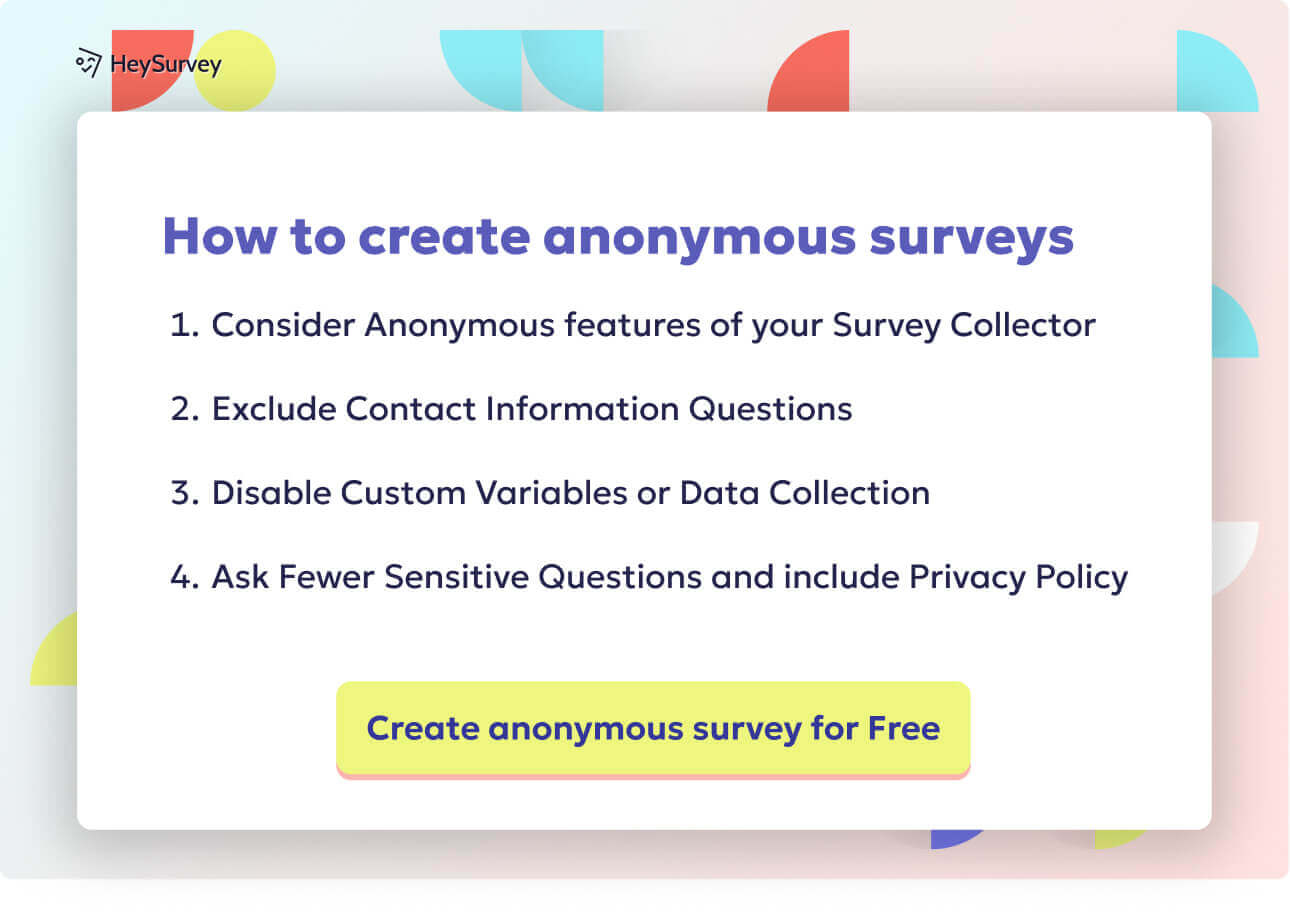
Create a stakeholder satisfaction survey in HeySurvey
1. Create a new survey
Click a stakeholder satisfaction survey template below to start quickly, or choose an empty sheet if you want to build from scratch. You can begin without an account, but you’ll need one to publish and review responses later. Once the survey opens in the editor, you can rename it and adjust basic settings like branding, dates, and response limits.
2. Add questions
Click Add Question to include the questions you need. For stakeholder satisfaction, use Scale or NPS questions for ratings, Choice questions for multiple-select feedback, and Text questions for open comments. Mark important questions as required, and add follow-up questions if you want to learn why someone gave a certain rating.
3. Publish survey
Preview your survey to check the flow, then click Publish when you’re ready. HeySurvey will create a shareable link for sending to stakeholders. After publishing, you can view responses, export results, and track overall satisfaction in the Results page.
Stakeholder Communication Survey Questions
Clear updates build calm confidence
Why & When to Use
Use this stakeholder communication survey when communication quality has a big impact on stakeholder satisfaction, especially during long projects, change initiatives, cross-functional work, and executive reporting cycles.
Here’s the thing: communication is often the loudest signal in stakeholder feedback, whether people feel informed and confident or confused and mildly ready to flip a table.
This type of stakeholder survey is especially useful if you want feedback on update cadence, clarity, transparency, and responsiveness.
It also helps when your team is searching for ways to improve a stakeholder communication template or sharpen a broader stakeholder engagement survey.
Common pain points to watch for include:
too many updates that bury the important stuff
too few updates that leave people guessing
unclear ownership around who communicates what
overly technical language that makes simple things feel like rocket science
Plus, segment your stakeholder feedback by audience whenever possible.
Executives may want short summary reporting, sponsors may need risk visibility, and operational stakeholders often need practical detail and faster follow-up.
On top of that, this section gives you useful stakeholder feedback examples around reporting cadence, meeting quality, and response speed.
If your stakeholder satisfaction surveys show friction but not the cause, this section helps you find out whether communication is the real culprit.
Sample questions
To what extent do you feel appropriately involved in key decisions?
How well do we seek your input before important changes are made?
How seriously do you feel your feedback is considered?
How satisfied are you with the opportunities provided to participate in discussions or planning?
What would help you feel more engaged in our process?
Research shows stakeholder satisfaction rises when people are meaningfully informed and involved, with engagement improving transparency and satisfaction overall (source).
Stakeholder Engagement Survey Questions
Feeling included changes everything
Why & When to Use
Use this stakeholder engagement survey when you want to measure whether stakeholders feel involved, heard, and able to influence decisions, not just informed after the fact.
This kind of stakeholder survey works especially well for transformation projects, governance programs, partnerships, public-facing initiatives, and any effort where buy-in matters just as much as delivery.
Here’s the thing: engagement and satisfaction are not the same.
A stakeholder can be happy with the outcome and still feel shut out of the process, which is exactly why stakeholder feedback in this area is so useful.
If you want to reduce resistance, improve alignment, and make your stakeholder engagement survey more actionable, this section helps you spot where people feel included and where they quietly check out.
Common low-engagement signals include:
silence in meetings even when concerns probably exist
delayed approvals that hint at hesitation or weak buy-in
passive agreement that sounds polite but leads nowhere fast
limited participation in workshops, reviews, or planning sessions
Plus, use stakeholder feedback to improve governance routines, workshop design, and consultation practices.
On top of that, if your stakeholder satisfaction surveys look decent but momentum still feels wobbly, this section can reveal whether the real issue is low involvement, because nothing says "engaged" quite like a calendar invite people actually want to accept.
Sample questions
How satisfied are you with the quality of deliverables provided?
How well do we meet agreed timelines and milestones?
How effectively do we manage issues that affect delivery?
How confident are you in our team’s ability to execute future work successfully?
What aspect of our project delivery most needs improvement?
Project Delivery and Performance Survey Questions
Execution shapes trust fast
Why & When to Use
Use this stakeholder engagement survey section when stakeholders are judging your team on execution, not just intentions.
It fits especially well in a post-project stakeholder survey, phase-gate review, vendor evaluation, PMO assessment, or program retrospective.
Here’s the thing: strong relationships can open the door, but delivery is what keeps people from quietly reaching for another partner.
A delivery-focused stakeholder survey helps you measure how people experience timelines, quality, accountability, problem-solving, and outcomes in the real world.
Plus, stakeholder feedback here helps connect relationship quality with operational performance, which is where many stakeholder satisfaction surveys get much more useful.
Perception matters just as much as internal reporting.
Your dashboard may say things are green, but stakeholder feedback can reveal frustration with delays, unclear ownership, or issue handling that felt slower than promised.
This section is also handy when you want to compare responses across project stages, teams, vendors, or business units.
Look for patterns like:
strong quality scores but weak confidence in future delivery
good milestone ratings paired with poor issue resolution feedback
positive outcomes despite a bumpy process that stakeholders do not want repeated
On top of that, keep questions neutral and practical so you can ask about timeliness, accountability, and issue resolution without sounding defensive, because nobody gives great user feedback survey questions when the survey feels like it is wearing boxing gloves.
Sample questions
How much do you trust our team to act in your best interests?
How fairly and respectfully do you feel you are treated in our interactions?
How transparent are we when challenges or trade-offs arise?
How well do we follow through on commitments made to you?
What could we do to strengthen our working relationship with you?
Research shows project success is strongly linked to stakeholder trust and communication, supporting survey questions on transparency, follow-through, and respectful treatment (ScienceDirect).
Stakeholder Relationship and Trust Survey Questions
Trust is the quiet engine of partnership
Why & When to Use
Use this stakeholder engagement survey section when you need to understand relationship strength, not just project results.
It works especially well after organizational changes, service issues, leadership transitions, conflict periods, or any trust-rebuilding effort where stakeholder feedback may be more revealing than formal scorecards.
Here’s the thing: credibility, transparency, and follow-through are a huge part of what is a stakeholder satisfaction conversation, especially with strategic or high-influence contacts.
A strong stakeholder survey helps you see whether people feel respected, informed, and treated fairly over time.
Plus, this kind of stakeholder feedback often uncovers risks that do not show up in standard performance reviews, like strained communication, inconsistent behavior, or promises remembered very differently on each side.
If the environment is hierarchical, anonymity matters a lot.
People are far more likely to give honest stakeholder feedback about trust, fairness, and transparency when they do not feel they are grading the boss while the boss watches.
To get better insight, invite examples that explain the rating.
Ask stakeholders to share moments related to:
transparency when trade-offs or bad news appeared
follow-through on commitments and next steps
consistency in communication, behavior, and decision-making
On top of that, this section pairs nicely with stakeholder satisfaction surveys when you want to understand not only what happened, but whether people still want to keep working with you, which is the relationship version of checking if the plant is green before it turns crunchy.
Sample questions
How well do our services or outputs meet your current needs?
How valuable is the support or collaboration you receive from our team?
To what extent do our efforts contribute to your goals or success?
How well do we adapt when your priorities change?
What additional value would you like us to provide?
Stakeholder Needs, Value, and Outcome Survey Questions
Value only counts if it helps your stakeholders win
Why & When to Use
Use this stakeholder engagement survey section when you need to know whether your work is actually useful, not just technically finished.
It fits especially well for service teams, strategic initiatives, partnerships, nonprofits, public sector programs, and customer-adjacent internal functions where stakeholder feedback should shape what happens next.
Here’s the thing: a good stakeholder survey helps you answer whether stakeholder expectations are being met and whether outcomes line up with stakeholder priorities, which is much more helpful than giving yourself a gold star for being busy.
This category works best when you frame questions around outcomes, usefulness, and changing expectations over time.
Plus, it helps you spot where stakeholder satisfaction surveys may look fine on the surface, but real stakeholder feedback says the value is too low, too unclear, or aimed at the wrong problem.
To get richer insight, ask for ratings and examples.
Useful prompts to explore in a stakeholder engagement survey include:
whether your outputs solve current needs, not last quarter's needs
how much your support contributes to stakeholder goals or success
where your team adapts well, or slowly, when priorities shift
what unmet needs, missed opportunities, or added services stakeholders want next
On top of that, these stakeholder feedback examples are great for prioritizing improvements with the highest perceived value, which is exactly what a smart stakeholder satisfaction survey template should help you do.
Sample questions
Which stakeholder groups should be surveyed separately to improve relevance?
What is the best time in the project or relationship lifecycle to request feedback?
Should responses be anonymous, named, or mixed depending on stakeholder type?
How many questions can be asked before survey fatigue reduces completion quality?
What follow-up question will uncover the reason behind a low satisfaction score?
How to Collect Stakeholder Feedback Effectively
Good survey design turns polite answers into useful truth
Why & When to Use
Use this part of your stakeholder engagement survey to improve how you collect responses, not just what you ask.
It is the bridge between a solid stakeholder satisfaction survey template and stakeholder feedback you can actually trust.
Here’s the thing: even a smart stakeholder survey can flop if you send it to the wrong people, at the wrong time, with too many questions. That is how you get rushed clicks, vague praise, and the digital equivalent of a shrug.
To collect better stakeholder feedback, focus on a few practical design choices:
segment audiences so executives, partners, funders, customers, or internal teams get questions that match their role
time the stakeholder engagement survey around key moments like onboarding, delivery milestones, renewals, or project closeout
choose anonymity carefully, since named responses help follow-up while anonymous responses often improve honesty
keep scales clear and consistent so stakeholder satisfaction surveys are easy to answer and compare over time
balance rating questions with one open-ended prompt to capture stakeholder feedback examples behind the score
Plus, plan survey frequency before you launch.
A stakeholder feedback template should help you avoid over-surveying important contacts, because nobody wants inbox fatigue wearing a tiny business suit.
Sample questions
How can you tailor a stakeholder engagement survey for different stakeholder groups without rewriting everything from scratch?
What wording makes a stakeholder survey easier to answer and easier to analyze later?
Which questions should you avoid if you want stakeholder feedback that leads to clear action?
How often should you compare stakeholder satisfaction surveys to spot trends over time?
What should you do after receiving low scores or critical stakeholder feedback?
Stakeholder Satisfaction Survey Best Practices
The best stakeholder feedback is clear, relevant, and actually usable
Why & When to Use
Use these best practices when you want your stakeholder engagement survey to do more than collect opinions.
A strong stakeholder satisfaction survey helps you gather stakeholder feedback that is easy to complete, easy to analyze, and useful for better decisions.
Here’s the thing: a messy stakeholder survey creates messy answers, and no spreadsheet can perform magic tricks.
Dos
Do align questions with the stakeholder relationship, project stage, or decision context.
Do use plain language and skip internal jargon.
Do combine rating scales with open-text stakeholder feedback.
Do keep surveys concise while still covering communication, engagement, delivery, and trust.
Do compare results over time to spot trends in stakeholder satisfaction.
Do share key themes back with stakeholders so they know their input matters.
Plus, this is where many stakeholder feedback examples go right. They ask focused questions that match the real-world relationship instead of tossing the same form at everyone.
Don’ts
Don’t ask vague questions that cannot lead to a specific action.
Don’t combine communication, timeliness, and quality into one question.
Don’t use identical wording for all groups if their roles differ a lot.
Don’t wait until a relationship gets rocky before sending a stakeholder engagement survey.
Don’t ignore low scores without follow-up context.
Don’t collect stakeholder feedback unless you plan to review it and act on it.
On top of that, a good stakeholder satisfaction survey template should help you stay neutral, consistent, brief, and practical.
Sample questions
Which survey themes appear most often across stakeholder groups?
What are the top three issues affecting stakeholder satisfaction right now?
Which improvements can be implemented quickly for visible impact?
Who owns each follow-up action and how will progress be tracked?
When should the next stakeholder satisfaction survey be sent to measure improvement?
Turning Stakeholder Survey Insights Into Action
A stakeholder survey only pays off when you actually do something with it
Why & When to Use
Use this final step when your stakeholder engagement survey is complete and you are ready to turn responses into better decisions.
The real value of stakeholder feedback is not in collecting it. It is in using it to improve communication, strengthen relationships, deliver better work, and raise stakeholder satisfaction over time.
Here’s the thing: if your stakeholder survey ends in a folder called “Final Final v2,” your stakeholders will notice.
Start by reviewing results for patterns across groups, scores, and comments.
Then look for root causes, not just symptoms, so you can fix the real issue instead of giving it a nicer label.
A simple action framework works well:
Review the stakeholder feedback and spot recurring themes.
Identify root causes behind low scores or repeated concerns.
Prioritize changes based on impact, effort, and urgency.
Assign clear owners for each action.
Communicate next steps to stakeholders.
Send a follow-up stakeholder satisfaction survey to measure progress.
Plus, share what you learned and what will change.
On top of that, set timelines for quick wins and longer-term fixes, because visible action builds trust faster than a polished summary slide.
Consistent listening, clear ownership, and follow-through are what turn a stakeholder engagement survey into long-term stakeholder satisfaction.
Related Feedback Survey Surveys
29 Catering Survey Questions to Ask Customers
Explore 25 sample catering survey questions to gather feedback, improve events, and understand cl...
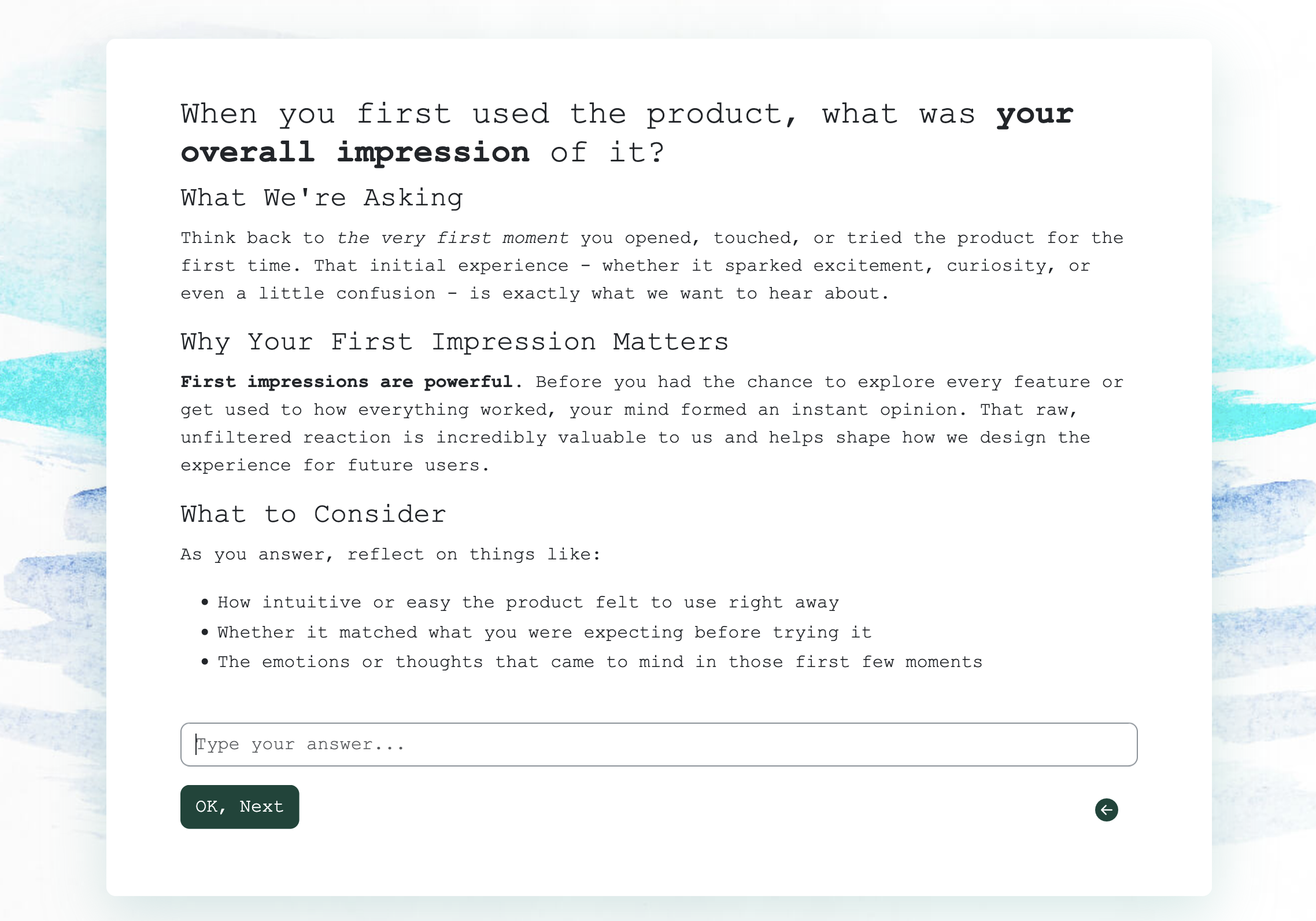
29 User Feedback Survey Questions
Explore 25 user feedback survey questions with sample prompts, practical tips, and ideas to impro...
29 Environment Survey Questions to Ask Today
Discover 25 environment survey questions with sample answers to improve feedback, measure awarene...