31 Shipping Survey Questions
Explore 25 shipping survey questions with practical sample answers to improve logistics, delivery experience, and customer feedback insights.
Shipping survey questions are the quick, smart way to learn what your customers really think about delivery, from ecommerce and retail to subscription brands, local delivery, and B2B fulfillment teams. Better shipping feedback helps you answer shipping questions faster, spot shipping inquiry trends, and figure out how to reassure customers about shipping without playing detective in your inbox.
In this guide, you’ll see the most useful delivery survey questions, when to use each one, and how to measure customer satisfaction in shipping for a better delivery experience, lower support volume, and happier customers.
Sample questions
How satisfied were you with your overall shipping experience?
Did your order arrive on time, earlier than expected, or later than expected?
How would you rate the condition of your package when it arrived?
How clear and helpful were the shipping updates you received?
How likely are you to order from us again based on this delivery experience?
Post-Delivery Satisfaction Survey Questions
This is your go-to delivery experience survey when you want a clear read on overall customer satisfaction in shipping after an order actually lands on the doorstep.
Why & When to Use
This is the most common format for shipping questions because it captures the full delivery experience once the customer has seen the package, opened it, and formed a real opinion.
Use it 1 to 3 days after delivery so customers have enough time to inspect both the package and the product, but the experience is still fresh in their minds.
Here's the thing, if you're asking how to measure customer satisfaction in shipping?, this survey is one of the simplest and most reliable answers.
It works especially well for:
ecommerce order completion
home delivery services
subscription boxes
same-day delivery
repeat-purchase brands
Plus, this format helps you separate shipping satisfaction from product satisfaction, which saves you from blaming the box for what the product did. Awkward, but useful.
For better insights, use a mix of rating-scale questions and one open-ended question so customers can explain what went right or wrong.
On top of that, tie responses to carrier, region, delivery speed, and order type.
Then compare results against repeat purchase rate and support contacts to spot what actually drives shipping inquiry volume and how to reassure customers about shipping next time.
Sample questions
How acceptable was the length of the shipping delay for your order?
How clearly did we communicate the reason for the delay?
Did you feel informed about the status of your shipment while it was delayed?
What was the most frustrating part of this delayed delivery experience?
What could we have done to better reassure you about shipping during the delay?
Research shows post-purchase shipping and tracking significantly influence customer satisfaction, supporting post-delivery surveys that measure communication, shipment status visibility, and delay experience (source).
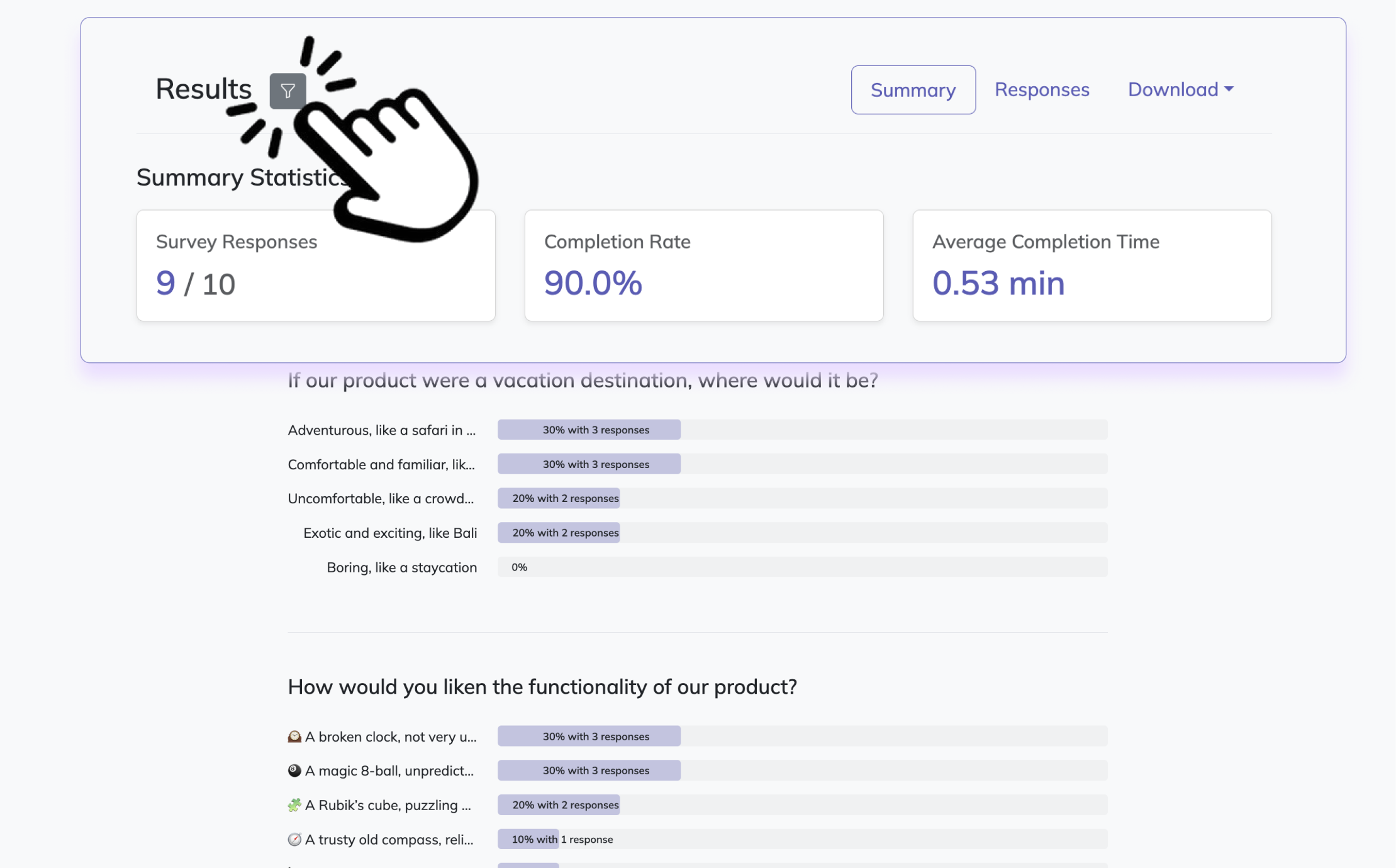
Create a new survey. Start by opening a shipping survey template with the button below, or choose a blank survey if you want to build it from scratch. HeySurvey works in your browser, so you can begin right away without an account. Give your survey a clear name, then review the basic settings before adding questions.
Add questions. Click Add Question and enter the items you want to ask about shipping. For a shipping survey, you might include choice, scale, NPS, or text questions such as delivery speed, packaging quality, tracking accuracy, and overall satisfaction. Mark important questions as required so respondents cannot skip them. You can also reorder questions, add descriptions, and customize answer options to match your survey goals.
Publish the survey. When everything looks good, preview your survey to check the flow and design. Then click Publish to make it live and get a shareable link. Once published, you can send it to customers, embed it on your website, or collect responses from any device.
Delivery Delay Survey Questions
These shipping questions help you learn what really stung when an order missed the promised window or showed up later than the customer expected.
Why & When to Use
This survey works best when a delivery delay actually happened, not when you are just trying to guess how customers might feel about one.
Here's the thing, when you ask delay-focused shipping questions, you can figure out whether the frustration came from the extra wait, weak updates, or expectations that were off from the start.
Send it after the package is delivered or right after the delay issue is resolved.
That way, the experience is complete, and your customer is more likely to give useful feedback instead of pure heat-of-the-moment steam.
This is also one of the smartest ways to reduce shipping inquiry volume during messy periods like peak season or weather disruptions.
Use responses to improve:
notification timing
update clarity
message tone
expectation setting
recovery communication
On top of that, segment answers by cause so you can see what drives the most friction:
carrier issue
weather
inventory delay
customs
peak season
address problem
Plus, if you are asking how to measure customer satisfaction in shipping?, this survey shows how impactful high shipping demand was on customer questions and teaches you how to reassure customers about shipping when things go sideways.
Sample questions
How easy was it to track your order from shipment to delivery?
Were the shipping updates frequent enough to keep you informed?
How accurate were the estimated delivery dates we provided?
Did you ever feel unsure about where your package was?
What shipping information would have made your experience better?
Research shows on-time delivery matters more than speed for customer satisfaction, making survey questions about delay updates and estimate accuracy especially valuable. Source
Shipping Communication and Tracking Survey Questions
Great shipping communication can calm nerves before support ever gets involved.
Why & When to Use
This survey focuses on everything customers see before delivery lands at the door: tracking visibility, shipping confirmation emails, SMS alerts, and order status updates.
If you want to cut down on "Where is my order?" contacts, this is one of the most useful shipping questions survey formats you can send.
Here's the thing, customers do not always expect lightning-fast delivery, but they do expect clear updates that make the process feel under control.
That means communication quality often matters just as much as speed when you are figuring out how to measure customer satisfaction in shipping.
This survey is especially helpful if your team gets lots of shipping inquiry messages or keeps answering the same shipping questions and answers on repeat, like a playlist nobody asked for.
Use responses to spot gaps between what your tracking system says and what your customer actually understands.
Review whether your updates answer real customer questions about shipping, not just internal status codes.
You can use feedback to improve:
confirmation emails
shipment alerts
delivery date messaging
tracking page clarity
FAQ content
Plus, map top survey complaints to top support-ticket themes.
On top of that, if you are asking how to reassure customers about shipping, this survey shows where confusion starts and which updates create a smoother delivery experience survey.
Sample questions
How would you rate the condition of your package on arrival?
Did your items arrive safely and without damage?
Was the packaging appropriate for the type of product you ordered?
How satisfied were you with the cleanliness and presentation of the package?
If applicable, how do you feel about the amount of packaging used?
Packaging and Order Condition Survey Questions
Packaging quality quietly shapes the whole delivery experience.
Why & When to Use
This survey helps you understand how customers feel about packaging quality, item protection, presentation, sustainability, and whether the full order showed up as expected.
If you are working through shipping questions or wondering how to measure customer satisfaction in shipping, this is a smart place to look because the box often speaks before the product does.
Use this survey for fragile items, premium products, gift orders, perishable goods, and home delivery experiences where the package condition at the doorstep can make or break the moment.
Plus, it fits especially well into home delivery survey questions when customers first judge the order by dents, leaks, crushed corners, or a box that looks like it lost a bar fight.
Here’s the thing, damage complaints are not always product problems.
They are often shipping experience issues, which makes this useful if you want to learn how to reassure customers about shipping and reduce repeat shipping inquiry messages.
Use responses to balance:
product protection
packaging cost
sustainability goals
presentation standards
On top of that, separate carrier handling damage from poor packaging design so you know what to fix.
Review customer comments to improve:
inserts
insulation
labeling
package sizing
order completeness checks
That kind of feedback can sharpen your delivery experience survey and improve future delivery survey questions too.
Sample questions
How satisfied were you with the professionalism of the delivery person?
Was your order delivered to the correct location on the first attempt?
How easy was the delivery handoff or drop-off process?
Did the delivery person follow any special instructions you provided?
How safe and convenient did the delivery experience feel?
Home-delivery research found damage-free delivery is among the top priorities for improving customer satisfaction, supporting survey questions on packaging and order condition (ScienceDirect).
Delivery Driver and Handoff Experience Survey Questions
The last few feet of delivery can decide the whole story.
Why & When to Use
This survey type works best when your team controls the final handoff, not just the shipment itself.
It is especially useful for local delivery, grocery delivery, furniture delivery, white-glove service, pharmacy delivery, meal kits, and any business where a person-to-person or doorstep handoff is part of the experience.
Here’s the thing, customers may forgive a slightly slower delivery, but they remember a confusing drop-off, missed instructions, or a package left in a spot that screams "please steal me."
That makes this one of the most practical shipping questions to ask when staff behavior, professionalism, communication, and delivery accuracy reflect your brand.
Plus, it helps you separate carrier shipping issues from managed last-mile delivery issues.
Use this section when you need home delivery survey questions that focus on what happened at arrival, not just when the box showed up.
Track feedback around:
missed delivery instructions
unsafe package placement
poor arrival communication
incorrect drop-off locations
awkward or inconvenient handoff experiences
On top of that, if you are figuring out how to measure customer satisfaction in shipping, this survey gives you direct clues about how to reassure customers about shipping through better driver training, clearer route planning, and smoother delivery habits.
It also strengthens any delivery experience survey or shipping inquiry review process.
Sample questions
How easy was it to resolve your shipping issue with our team?
How satisfied were you with the speed of the shipping resolution?
Did our support team clearly explain the next steps for your issue?
Was the return or replacement shipping process convenient?
Based on how we handled this issue, how likely are you to shop with us again?
Returns and Shipping Resolution Survey Questions
A shipping problem handled well can turn a grumpy moment into renewed trust.
Why & When to Use
Shipping satisfaction does not stop when the package lands on the doorstep.
It also includes what happens when an order is late, damaged, missing, or needs to be returned, which is why these shipping questions matter so much.
Here’s the thing, customers often remember the fix just as much as the problem, sometimes more.
Use this survey after a support case closes, after a replacement order arrives, or once a return shipment is completed.
That timing helps you capture how people felt about the full recovery experience, not just the original issue.
This section is especially useful if you want better shipping questions and answers content, smoother support workflows, and stronger recovery efforts that actually reassure people.
If you are figuring out how to reassure customers about shipping, this is one of the clearest places to look.
Pay close attention to feedback around:
support clarity and tone
resolution speed
return label ease
replacement shipping convenience
confidence to buy again
Plus, compare satisfaction for resolved issues against first-time successful deliveries.
That gives you a sharper view of how to measure customer satisfaction in shipping, where trust breaks, and where your team saves the day like a customer service superhero in sneakers.
Use responses to improve support scripts, replacement policies, and return labels, and to reduce repeat shipping inquiry contacts over time.
Sample questions
Which part of the shipping experience mattered most to you?
At what point did you feel most informed during delivery?
What is one thing we could improve about our shipping process?
How well did our shipping experience match your expectations?
Would you describe this shipping experience as better, worse, or about the same as other retailers?

Best Practices for Writing and Using Shipping Survey Questions
Great shipping questions turn fuzzy feelings into fixes you can actually use.
Why & When to Use
This section gives you a practical framework for building shipping questions that lead to useful action, not vague comments like “it was fine.”
If you are running a delivery survey, planning delivery survey questions, or figuring out how to measure customer satisfaction in shipping?, this is your playbook.
Here’s the thing, strong shipping questions help you spot what shaped the delivery experience, where expectations slipped, and how to reassure customers about shipping before small issues grow teeth.
Use this approach when creating a shipping survey, improving a customer satisfaction program, or reviewing shipping inquiry trends across carriers and order types.
Keep your survey short, focused, and close to the delivery event, ideally within a day or two.
Plus, use simple rating scales, add at least one open-text field, and benchmark results by carrier, speed, geography, and order type.
Do this:
Send surveys soon after delivery.
Focus each survey on one shipping stage.
Use neutral wording.
Mix rating questions with open feedback.
Segment results for sharper insights.
Avoid this:
Asking only generic satisfaction questions.
Mixing product feedback into shipping analysis.
Over-surveying repeat customers.
Ignoring negative comments that reveal process breakdowns.
Asking what customers cannot realistically know.
On top of that, compare results over time and against other retailers if you can, because guessing is fun only in game night.
Sample questions
Which shipping issue should we prioritize fixing first?
What part of the delivery experience most influenced your overall satisfaction?
What communication change would have improved your confidence in the shipment?
If your delivery fell short, what recovery step would have made the experience better?
What would make you trust our shipping process more next time?
How to Turn Shipping Survey Insights Into Action
The real win is turning shipping questions into better deliveries, fewer complaints, and more trust.
Why & When to Use
Survey data is only useful when it helps you improve the customer experience, reduce delivery friction, and cut down support volume from every shipping inquiry.
Here’s the thing, this is the bridge between collecting delivery survey questions and making real changes your customers can actually feel.
If you are asking how to measure customer satisfaction in shipping?, start by sorting feedback into clear themes so patterns stop hiding in plain sight.
Group responses like this:
Speed
Tracking
Packaging
Handoff
Issue resolution
Plus, do not fix everything at once.
Prioritize issues based on what most affects satisfaction, repeat purchase intent, and support burden, because the loudest problem is not always the biggest one.
On top of that, share insights across teams so operations, logistics, CX, and marketing all work from the same delivery experience survey findings.
Build a simple closed-loop process too:
Flag serious delivery issues fast
Follow up with affected customers
Log the root cause
Assign an owner
Track whether the fix worked
That is also how to reassure customers about shipping, because action beats apology every time.
The best shipping questions do more than show what went wrong. They show which improvements customers value most, and that is where smarter shipping starts.
How to Turn Shipping Survey Insights Into Action
Sample questions
Which shipping issue appears most often in survey feedback?
Which carriers or delivery methods generate the highest satisfaction scores?
At what point in the delivery journey do customers report the most friction?
Which shipping questions correlate most strongly with repeat purchase intent?
What operational change can you prioritize this quarter based on survey results?
Action is where shipping questions start paying rent
Why & When to Use
Use this section when you already have survey responses and need to turn them into smarter decisions, not just prettier dashboards.
Here’s the thing, shipping questions only become valuable when they lead to clear improvements in operations, customer communication, and support workflows.
This is also where you can answer bigger business questions like how impactful was high shipping demand on customer questions? and how to measure customer satisfaction in shipping? with evidence instead of guesswork.
Plus, the best survey process does not stop at collecting opinions. It helps you fix delivery pain points, reduce repeat complaints, and build a smoother customer experience that keeps people coming back.
A practical action framework looks like this:
Collect feedback across key moments in the delivery journey.
Segment responses by carrier, shipping speed, region, order type, and issue category.
Diagnose patterns in shipping questions and answers to find the root cause behind friction.
Prioritize fixes based on customer impact, support volume, and business value.
Test changes to messaging, carrier mix, packaging, or delivery promises.
Monitor results over time to see whether satisfaction, loyalty, and support contacts improve.
On top of that, tie every insight back to outcomes you care about, like fewer customer complaints, better home delivery survey questions, and stronger retention.
In short, effective shipping survey questions help you improve both service quality and customer satisfaction, which is a much nicer ending than a spreadsheet gathering dust.
Related Customer Survey Surveys
29 Restaurant Survey Questions
Explore 25 sample restaurant survey questions to improve customer feedback, boost service quality...

29 Airbnb Survey Questions to Ask Guests
Discover 25 Airbnb survey questions with sample questions, insights, and practical examples to im...

32 Interior Design Survey Questions
Explore 25 interior design survey questions with sample questions to gather client insights, refi...