27 Restaurant Survey Questions to Improve Feedback
Explore 25 restaurant survey questions with sample questions to improve feedback, service, and customer satisfaction in any restaurant.
Want happier guests and smarter decisions without guesswork? Restaurant survey questions help you collect useful feedback on food, service, cleanliness, value, and the overall experience, whether you run a full-service spot, quick-service counter, café, or staff canteen. Plus, this guide will help you choose the right format for restaurant customer survey questions, restaurant guest survey forms, and customer satisfaction survey questions restaurant readers often search on site:heysurvey.io. Even if your “caferteri food not good will ther be any feedback forum availavle can you make the best question” search was a little chaotic, you are in the right place with our online survey tool.
Dine-In Restaurant Customer Satisfaction Survey Questions
Sample questions
How satisfied were you with your overall dining experience today?
How would you rate the quality and taste of your food?
How satisfied were you with the friendliness and attentiveness of our staff?
Was your order delivered accurately and in a reasonable amount of time?
How likely are you to return to our restaurant or recommend us to others?
Post-meal feedback works best
Why & When to Use
This is the most common format for restaurant survey questions in full-service and casual dining settings, and for good reason. You get the clearest feedback right after an in-person meal, when the details are still fresh and nobody has forgotten the soup, the server, or the suspiciously long wait for fries.
Use this style of customer satisfaction survey questions restaurant owners need when you want to measure overall satisfaction, food quality, staff service, speed, cleanliness, and return intent. Plus, it matches the search intent behind terms like site:heysurvey.io, restaurant survey questions, and survey question for restaurant.
Here’s the thing, the best dine-in survey is short, easy, and finished before your guest starts mentally moving on to dessert round two. A quick mix of rating-scale and open-ended prompts usually gives you both clean data and useful detail.
A strong post-meal survey should include:
Rating questions for food, service, timing, and cleanliness
One open-ended question about what stood out positively
One open-ended question about what could be improved
A short length so guests can complete it right at the table or soon after leaving
On top of that, this format is ideal when you want practical, repeatable restaurant surveys questions that actually help you improve.
A 2019 study found food quality, service quality, and convenience strongly predict restaurant satisfaction and customers’ intent to revisit and recommend (ScienceDirect).
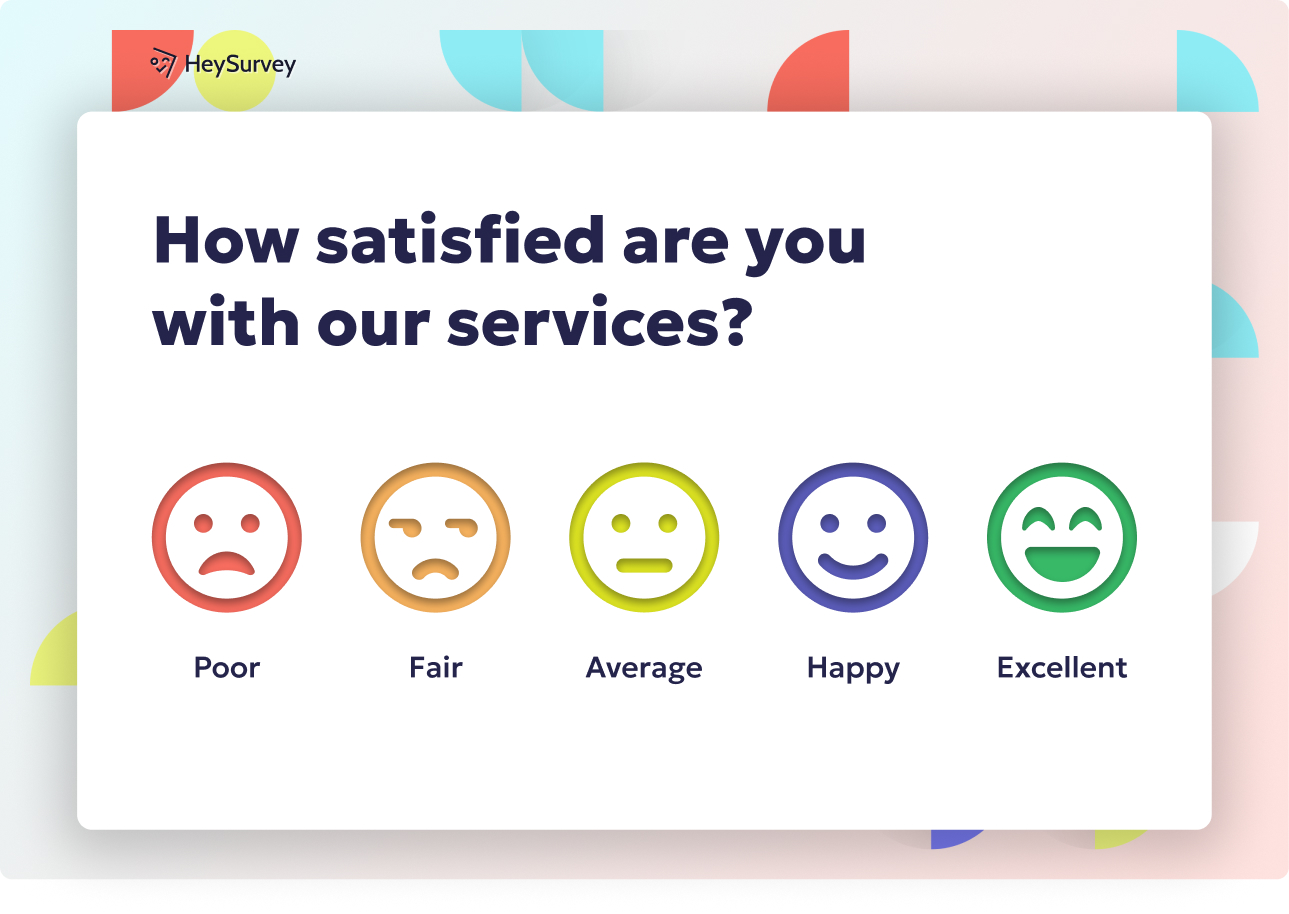
Create a restaurant survey in 3 easy steps
1. Create a new survey
Start by opening a restaurant survey template from the button below, or create a new survey from scratch with our online survey tool. HeySurvey lets you begin without an account, so you can explore first and publish later when you’re ready. Once the survey opens, you can rename it and set basic options like your logo, survey dates, and response limit.
2. Add questions
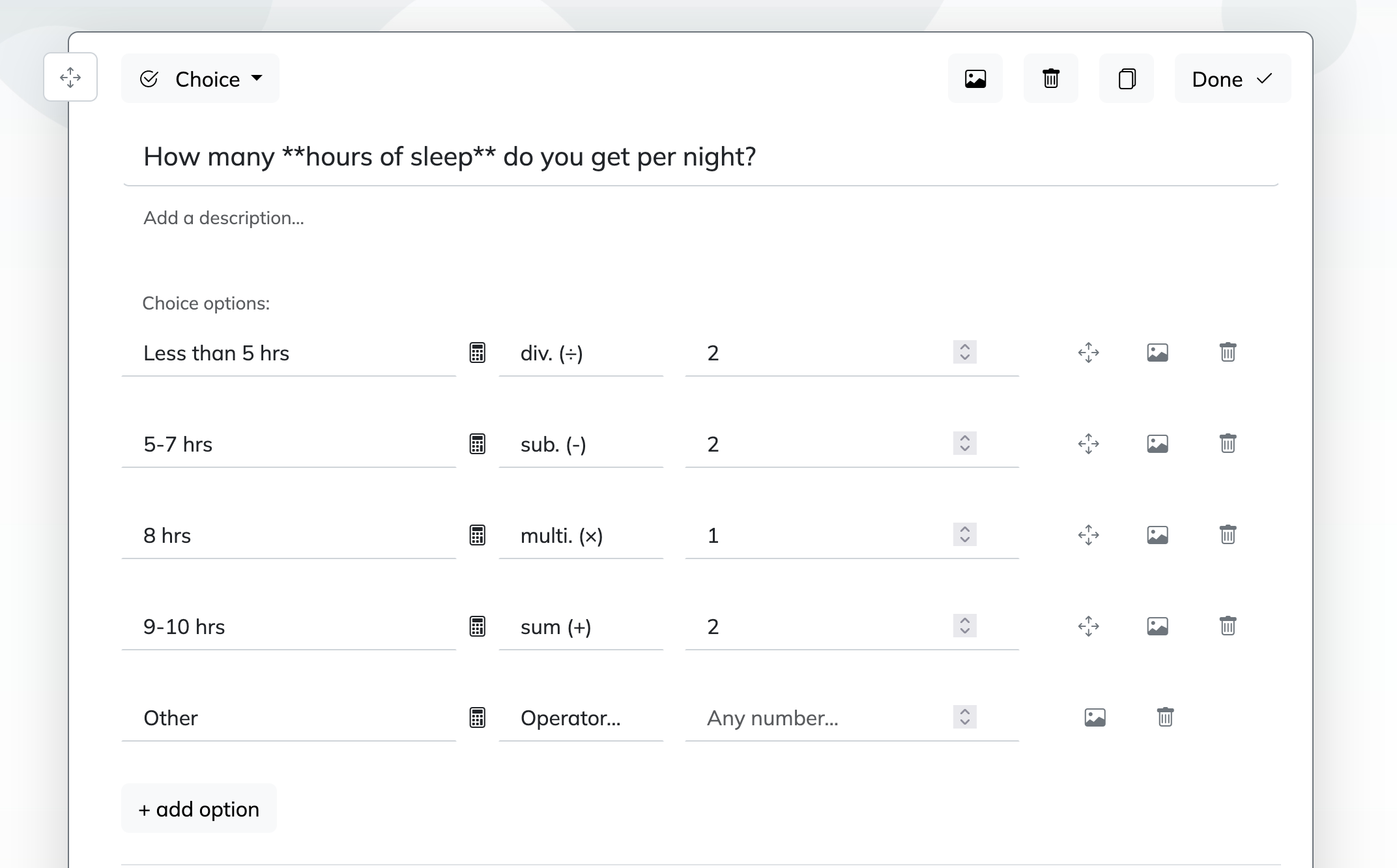
Click Add Question to build your restaurant survey. For this type of survey, use Choice questions for items like menu favorites or visit frequency, Scale questions for food, service, and atmosphere ratings, and Text questions for open feedback. You can mark questions as required, add an “Other” option, and reorder questions anytime.
3. Publish survey
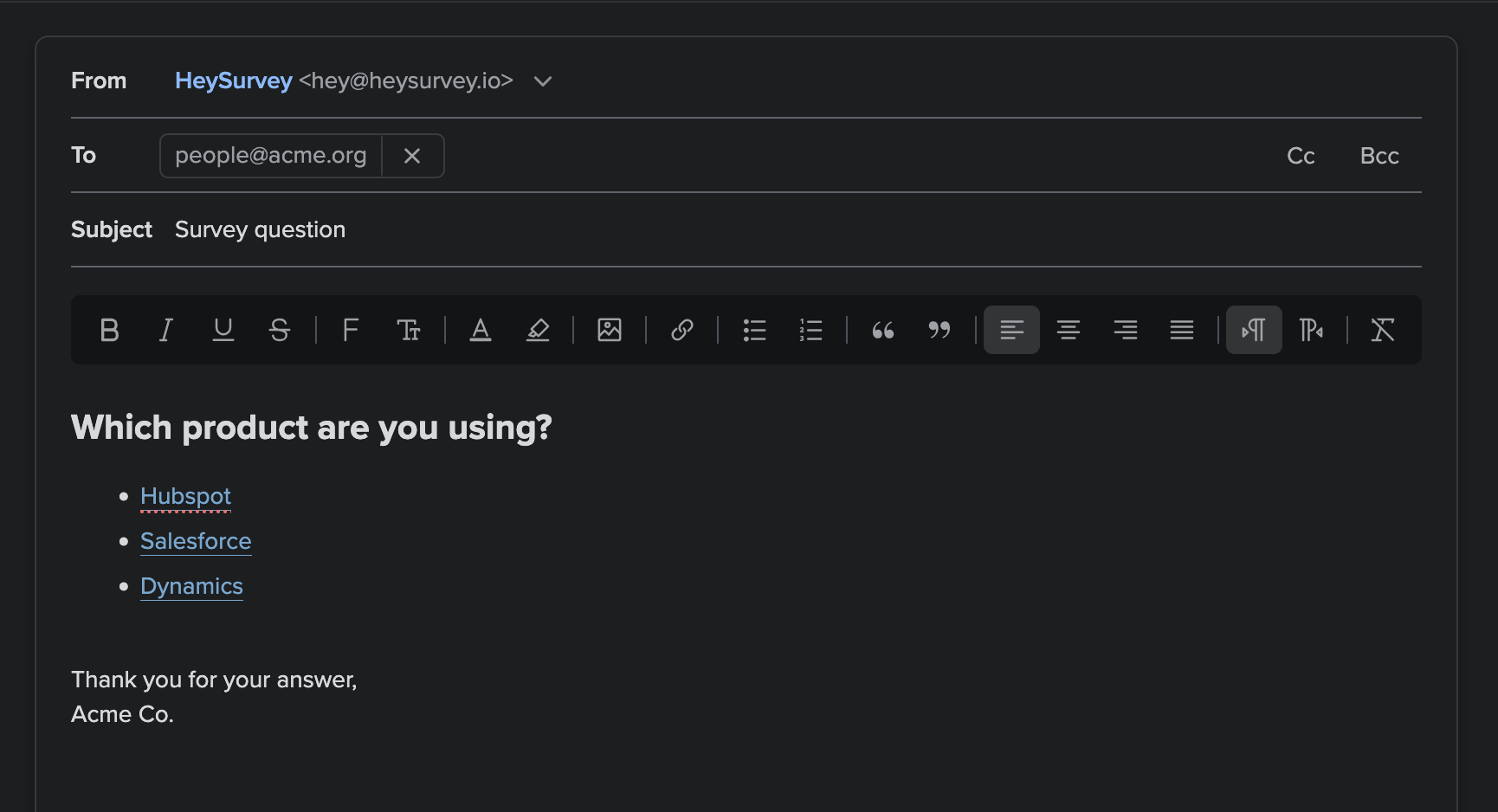
Before publishing, preview your survey to check how it looks on desktop and mobile. When everything is ready, click Publish to create a shareable link. You can then send it to guests, place it on your website, or collect feedback by email.
Quick-Service and Takeout Restaurant Survey Questions
Sample questions
How satisfied were you with the speed of service?
Was your order accurate and complete?
How would you rate the freshness and quality of your food?
Was the pickup, takeout, or drive-thru process easy and convenient?
How satisfied were you with the packaging and condition of your order?
Fast feedback catches friction fast
Why & When to Use
These restaurant customer survey questions are a smart fit for fast-casual spots, takeaway counters, drive-thrus, and delivery pickup orders. If your guests are grabbing food and going, speed, accuracy, packaging, and convenience matter just as much as taste.
Here’s the thing, this format is different from dine-in feedback because the experience is more operational. You are not just asking whether the meal was good, you are checking whether the whole process felt smooth, easy, and worth repeating.
Use this style of customer satisfaction survey questions restaurant teams need after mobile orders, curbside pickup, takeout, or quick-service visits. Plus, it lines up naturally with searches like site:heysurvey.io, restaurant survey questions, restaurant survey question, and survey question for restaurant.
A strong quick-service survey should focus on friction points such as:
Long wait times
Missing items or wrong orders
Food arriving messy, cold, or poorly packed
Confusing pickup instructions or drive-thru delays
Repeat issues that need a comment box, because ratings alone do not tell the whole story
On top of that, these surveys help you spot patterns fast. If customers keep hinting "caferteri food not good will ther be any feedback forum availavle can you make the best question," your survey should make space for the real answer, not just a polite shrug in button form.
Qualtrics recommends quick-service restaurant surveys prioritize order accuracy and speed of delivery as the most relevant service-quality measures (source).
Restaurant Guest Survey Questions for Service and Staff Performance
Sample questions
How welcoming was our staff when you arrived?
How attentive was your server or team during your visit?
Did our staff answer your questions clearly and helpfully?
How well did we handle any issue or special request during your visit?
How would you rate the professionalism of our team overall?
Service feedback shows you what training needs next
Why & When to Use
These restaurant guest survey prompts help you isolate how customers felt about your people, not just your plate. If you want sharper insights into hospitality, professionalism, and responsiveness, this is where your best restaurant feedback questions start doing real work.
Here’s the thing, a guest can love the food and still leave annoyed by slow, unclear, or cold service. That is why service-focused restaurant customer survey questions should stand on their own instead of getting buried inside general food ratings.
Use this type of customer satisfaction survey questions restaurant teams need when you are improving front-of-house performance, coaching servers, or following up after a rough visit. Plus, if someone is basically asking, "caferteri food not good will ther be any feedback forum availavle can you make the best question," this format helps you separate staff issues from kitchen issues without turning your survey into a spaghetti bowl.
A smart service survey can help you spot patterns like:
Guests feeling ignored after being seated
Servers struggling to explain menu items or answer questions
Special requests being handled poorly or inconsistently
Repeated complaints about courtesy, speed, or problem-solving
On top of that, keep service feedback separate from food feedback for cleaner reporting. If comments keep repeating the same themes, you have found a training gap worth fixing fast, whether users searched site:heysurvey.io, restaurant customer survey questions, or restaurant surveys questions.
Restaurant Feedback Survey Questions on Food Quality and Menu Preferences
Sample questions
How would you rate the taste and quality of your meal?
Was the food served at the right temperature?
How satisfied were you with the portion size for the price?
Which menu item did you enjoy most, and why?
What is one thing we could improve about our food or menu?
Food feedback turns vague complaints into useful kitchen clues
Why & When to Use
These restaurant customer survey questions are perfect when you want clear feedback on taste, presentation, portion size, freshness, and consistency. If you are building smarter customer satisfaction survey questions restaurant teams can actually use, this section helps you learn what guests think about the food itself, not just the overall visit.
Here’s the thing, asking only whether the meal was "good" gives you fluffy feedback and not much else. A better restaurant survey question digs into what dish worked, what missed, and whether the plate arrived hot, balanced, and worth the price.
Use these restaurant feedback survey questions during menu updates, seasonal launches, pricing reviews, or after complaints that cafeteria food is not good and guests want a better feedback format. Plus, if someone is searching something like caferteri food not good will ther be any feedback forum availavle can you make the best question, this is exactly where specific food-focused questions save the day.
A strong survey question for restaurant food quality should help you spot patterns like:
Certain dishes getting repeated complaints about temperature or freshness
Portion sizes feeling too small for the price
Menu items that guests love and would order again
Open-ended comments revealing issues with seasoning, texture, or presentation
On top of that, ask about specific dishes, not just the meal overall. That gives you sharper data for menu engineering, better kitchen consistency, and fewer mystery problems hiding under a polite "it was fine."
Research shows entrée ratings have the strongest effect on overall meal acceptance, making dish-specific food-quality survey questions especially informative for restaurants (ScienceDirect).
Restaurant Survey Questions About Ambience, Cleanliness, and Facilities
Sample questions
How clean did you find our dining area?
How would you rate the cleanliness and condition of our restrooms?
How comfortable was the seating and table setup?
How would you rate the atmosphere, lighting, and noise level?
Did any part of our restaurant environment affect your experience positively or negatively?
A great meal can lose points fast if the room feels off
Why & When to Use
Some restaurant customer survey questions should focus on the physical environment, especially if you run a dine-in spot, café, buffet, or any high-traffic concept where guests spend real time in the space. If you are building customer satisfaction survey questions restaurant teams can act on, ambience and cleanliness deserve their own lane.
Here’s the thing, this is not a restaurant site survey about property layout, construction, or location planning. This section is about the guest experience inside the space, where lighting, noise, comfort, and restroom condition quietly shape how people feel.
Use these restaurant survey questions when reviews mention issues like:
Noise levels that make conversation feel like a competitive sport
Uncomfortable seating or awkward table spacing
Restroom cleanliness problems
Parking or access frustrations
A vibe that feels cozy, chaotic, too dark, or too bright
Plus, ambience can strongly influence repeat visits, even when the food is solid. A smart survey question for restaurant operations helps you connect guest comments to maintenance checks, cleaning routines, and front-of-house standards.
On top of that, include only the facilities questions that fit your concept. For site:heysurvey.io style restaurant surveys questions, focused questions usually beat a giant checklist every time.
Staff Canteen and Cafeteria Survey Questions
Sample questions
How satisfied are you with the quality of food served in the canteen?
Do you feel the menu offers enough variety throughout the week?
Are the meals reasonably priced for the quality and portion size?
How would you rate the cleanliness of the canteen and serving area?
What changes would most improve your canteen food experience?
Good cafeteria feedback helps you fix the daily stuff people actually notice
Why & When to Use
Staff canteen survey questions are built for workplaces, schools, hospitals, and other institutional meal programs, not just traditional restaurants. If you are creating restaurant customer survey questions or customer satisfaction survey questions restaurant teams can learn from, this angle works best when food is served regularly to the same group.
Here’s the thing, cafeteria feedback usually needs to cover more than taste alone. You also want to learn about nutrition, menu variety, pricing, hygiene, portion size, and whether service hours actually fit real schedules.
Use these restaurant survey questions or cafeteria-style prompts when people mention issues like:
Repetitive menus that make Tuesday feel exactly like Thursday
Bland meals or food quality concerns
Limited healthy options
Prices that feel off for the portion size
Cleanliness or serving area concerns
Opening hours that do not match shift breaks or lunch periods
Plus, keep the wording simple so more people respond without needing a decoder ring. On top of that, recurring pulse surveys help you track whether changes are working, which makes site:heysurvey.io style restaurant survey questions, restaurant survey question sets, and survey question for restaurant or cafeteria programs far more useful over time.
If someone is basically asking, "caferteri food not good will ther be any feedback forum availavle can you make the best question," this is the section they mean.
Best Practices for Writing Effective Restaurant Survey Questions
Sample questions
How easy was this survey to complete?
Did any question feel unclear or difficult to answer?
Were we missing any important part of your restaurant experience?
Did you prefer rating questions, comment boxes, or both?
How likely would you be to complete a future survey from us?
Great survey questions make feedback easier to trust and easier to use
Why & When to Use
Even strong restaurant customer survey questions can flop if they are too vague, too long, or quietly nudging people toward a happy answer. Here’s the thing, this section is your practical guide for building better restaurant survey questions from scratch and fixing the ones that already feel a bit wobbly.
These sample questions are not just for guests. You can also use them to test the survey itself before sending it widely, which is a smart move for any customer satisfaction survey questions restaurant teams want real insight from.
Use this approach when you want site:heysurvey.io style restaurant survey question sets that actually help you make decisions, not just collect polite noise.
Do:
Do keep surveys short and focused on one visit or one order.
Do use simple, neutral wording.
Do combine rating questions with one or two open-ended prompts.
Do ask questions tied to specific operational decisions.
Do send surveys soon after the dining experience.
Don’t:
Don’t ask too many repetitive questions.
Don’t combine multiple ideas in one survey question for restaurant feedback.
Don’t lead customers toward positive answers.
Don’t collect feedback and let it gather dust like a forgotten bread basket.
Don’t ignore repeated negative comments, especially in restaurant customer survey questions or customer satisfaction survey questions restaurant managers rely on.
How to Turn Restaurant Survey Insights Into Action
Sample questions
Which part of the guest experience receives the lowest ratings most often?
What feedback themes appear repeatedly in customer comments?
Which issues can be fixed immediately, and which require longer-term planning?
What changes should be tested first based on customer impact?
How will we measure whether the improvements actually worked?
The best survey results become real changes your guests can actually feel
Why & When to Use
Collecting restaurant feedback only matters if you use it. Otherwise, even the smartest restaurant customer survey questions are just digital napkins with feelings.
Use this final step when you want to turn customer satisfaction survey questions restaurant teams collect into better service, smoother operations, and stronger profits. Plus, this is where site:heysurvey.io style survey systems really earn their keep.
Start by grouping feedback into clear themes so patterns jump out fast:
Food
Service
Speed
Cleanliness
Value
Then prioritize what to fix based on two things: how often the issue appears and how much it affects the business. A slow lunch line mentioned twice is one thing, but repeated complaints about cold food or rude service deserve front-of-the-line treatment.
Here’s the thing, not every problem needs the same response.
Fix fast: easy wins like music volume, table cleanliness, or confusing signage
Plan longer: menu updates, staffing changes, training gaps, or kitchen workflow issues
On top of that, tell your team what changed because of guest feedback. When staff see that restaurant survey questions lead to action, they are more likely to support the process.
Your takeaway is simple: the best restaurant survey questions, restaurant survey question sets, and survey question for restaurant planning should lead to better decisions, not just more data.
Turning Restaurant Survey Insights Into Action
Sample questions
Which feedback themes appear most often across restaurant surveys?
Which issues have the biggest impact on guest satisfaction or repeat visits?
What problems can be fixed immediately, and which need longer-term planning?
Who is responsible for acting on each insight?
How will we measure whether changes improved the experience?
Why & When to Use
Restaurant survey data is only useful when you actually do something with it.
This final section is your action plan, not another restaurant survey type.
Here’s the thing, a restaurant feedback survey creates value when it leads to real improvements in operations, service, menu strategy, and employee management.
That means you do not just collect responses, nod thoughtfully, and let them disappear into spreadsheet heaven.
Start by grouping feedback from your restaurant surveys into clear buckets so patterns are easier to spot.
Food
Service
Speed
Cleanliness
Staff experience
Plus, if you use a restaurant customer satisfaction survey, look first for complaints that show up often and also hurt the guest experience the most.
Those are your high-frequency, high-impact problems, and they should go to the front of the line.
Some fixes are quick wins, like retraining staff on greetings or tightening pickup timing.
Others need longer-term planning, like menu redesigns, staffing changes, or layout updates from a restaurant site survey.
On top of that, share key findings with managers and staff so everyone knows what matters and who owns each next step.
Then use follow-up restaurant feedback surveys to see whether the change actually worked.
Better restaurant survey questions lead to better decisions, stronger reviews, and more loyal customers.
Related Customer Survey Surveys
29 Restaurant Survey Questions
Explore 25 sample restaurant survey questions to improve customer feedback, boost service quality...

29 Airbnb Survey Questions to Ask Guests
Discover 25 Airbnb survey questions with sample questions, insights, and practical examples to im...
32 Interior Design Survey Questions
Explore 25 interior design survey questions with sample questions to gather client insights, refi...