29 Online Shopping Survey Questions
Explore 25 online shopping survey questions with clear sample insights on buyer behavior, satisfaction, and trends for smarter research.
Online shopping survey questions are the simple prompts you use to learn why people buy, what slows them down, and what makes them come back. For ecommerce brands, the right ecommerce surveys turn guesses into clear next steps.
Here’s the thing: smart ecommerce survey questions can reveal buyer motivation, checkout friction, delivery expectations, product satisfaction, and even marketing performance. Plus, this guide covers practical ecommerce surveys across the customer journey, including home delivery survey questions, online grocery shopping survey questions, and an online survey maker for customers.
Customer Demographic and Shopping Behavior Survey Questions
Sample questions
How often do you shop online in a typical month?
Which types of products do you most often purchase online?
What device do you usually use for online shopping?
What is the main factor that influences your decision to buy from an online store?
How do you usually discover new ecommerce brands or products?
These ecommerce surveys help you spot patterns fast.
Why & When to Use
Use these ecommerce survey questions when you want to understand who your customers are and how they actually shop, not just what your analytics dashboard is trying to hint at with mysterious confidence.
They work especially well for audience segmentation, buyer persona updates, and sharper targeting across your ecommerce store.
Plus, they are a smart fit if you are launching a new brand, growing into new categories, or expanding into new regions where shopper habits may look very different.
Here’s the thing: good ecommerce surveys do more than collect demographic details. They show you how often people buy, what product categories matter most, which devices they use, and what pushes them to choose one store over another.
That insight helps you group customers in useful ways, such as:
age range
shopping frequency
favorite product category
device type
On top of that, these ecommerce survey questions can support better product recommendations, more relevant promotions, and a smoother site experience for different shopper types.
If mobile shoppers buy fast but browse less, you can simplify mobile pages. If certain groups care most about price or trust, your messaging can meet them there, like a very polite salesperson who never hovers.
These same patterns can also support related ecommerce surveys, including home delivery survey questions, online grocery shopping survey questions, and even an online marketing questionnaire for customers.
Pew found 76% of U.S. adults have bought online via smartphone, making device-use questions essential for ecommerce segmentation and survey design (source).
1. Create a new survey
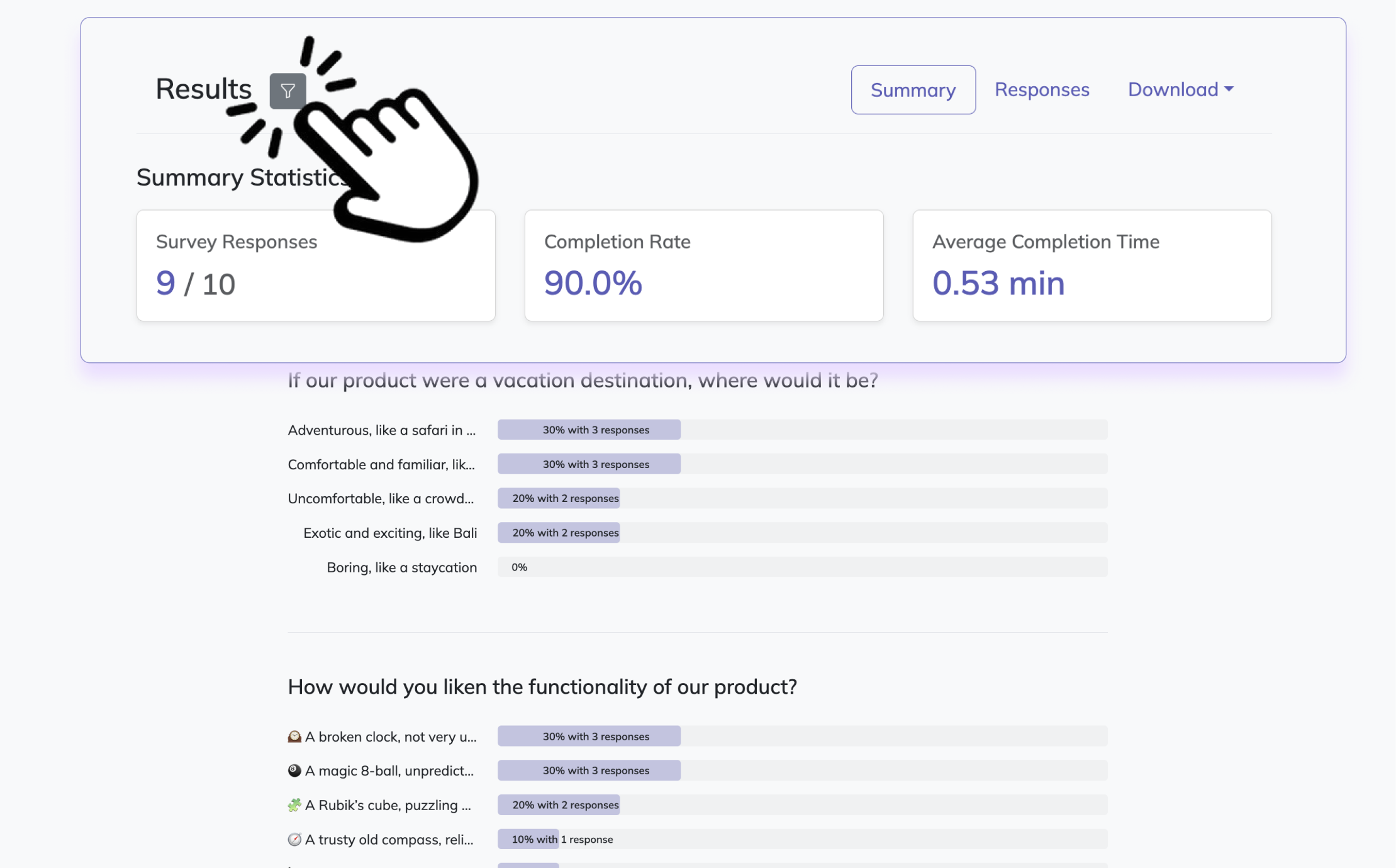
Start by opening an online shopping survey template with the button below, or choose a blank survey if you want to build one from scratch. HeySurvey lets you begin without an account, so you can explore first and set up your survey in just a few clicks. Give your survey a clear name, then use the editor to prepare it for questions about shopping habits, product choices, delivery, and checkout experience.
2. Add questions
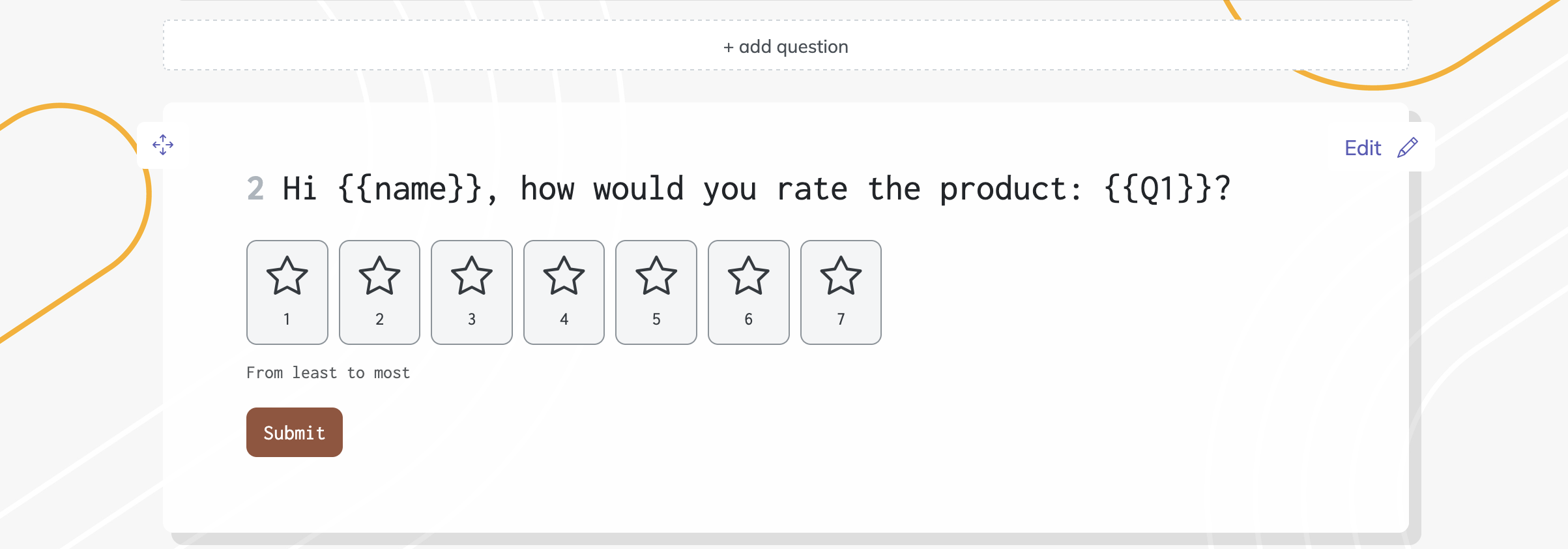
Click Add Question to include the questions you need. For an online shopping survey, use Choice questions for favorite stores or payment methods, Scale questions for satisfaction, and Text questions for open comments. You can mark questions as required, reorder them, add images, or use branching to show follow-up questions based on answers.
3. Publish survey
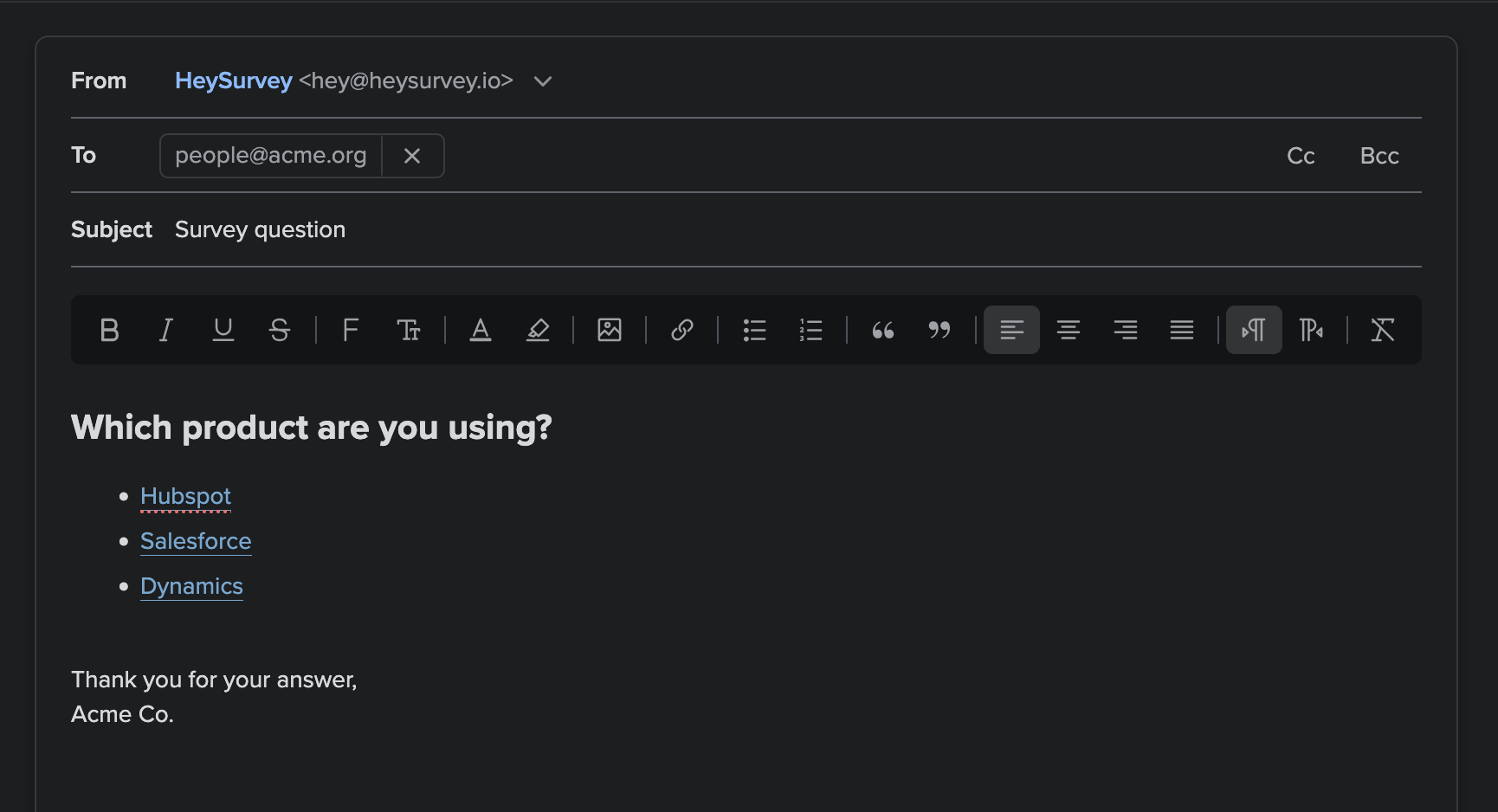
When everything looks ready, click Preview to check the survey, then Publish to create a shareable link. If needed, you can also embed the survey on your website or share it by email.
Website Experience and Usability Survey Questions
Sample questions
How easy was it to find the product you were looking for on our website?
How clear and helpful were the product descriptions and images?
Did you experience any difficulty using our website on your device?
How satisfied were you with the website speed and overall performance?
What is one thing we could improve about your online shopping experience on our site?
These ecommerce survey questions help you fix friction before it costs you sales.
Why & When to Use
Use these ecommerce surveys to measure how easy it is for customers to browse, search, compare options, and complete tasks on your website or app.
They are especially useful when you want to uncover usability issues that quietly hurt conversions, because customers rarely send a formal complaint before they leave.
Here’s the thing: strong ecommerce survey questions in this area should cover the parts of the journey where shoppers get stuck most often, including:
site search
navigation menus
product filters
product pages
mobile usability
Plus, this survey type is a smart pick after a site redesign, a spike in checkout drop-offs, mobile performance problems, or a slump in engagement metrics.
Keep these ecommerce surveys short so people will actually finish them, and trigger them right after a visit or post-purchase while the experience is still fresh in their minds.
On top of that, pair survey responses with analytics data so you can see both what people say and what they do, which is much more useful than guessing with dramatic confidence.
Look at signals like:
bounce rate
exit pages
conversion paths
This approach also works nicely alongside home delivery survey questions, online grocery shopping survey questions, and even an online marketing questionnaire for customers.
Baymard Institute’s large-scale e-commerce usability research shows product listing and filtering issues frequently hinder shoppers’ ability to find products, making search, navigation, and filter surveys critical (source).
Product Selection and Purchase Decision Survey Questions
Sample questions
What made you choose this product over similar alternatives?
Which product details were most important in your purchase decision?
Did you compare this product with options from other online stores before buying?
Was the price of the product reasonable for the value offered?
What almost stopped you from making this purchase today?
These ecommerce survey questions show you what actually tips a shopper from maybe to yes.
Why & When to Use
Use these ecommerce surveys when you want to understand why customers pick one product, skip another, or spend time comparing options before they buy.
They are especially useful for merchandising, pricing strategy, inventory planning, and product page optimization.
Here’s the thing: sometimes conversion rates look perfectly fine, but average order value, product engagement, or product discovery feels a bit sleepy.
That is where smart ecommerce survey questions help, because they uncover decision drivers that analytics alone cannot fully explain.
Focus your ecommerce survey questions on factors like:
price
product features
quality expectations
customer reviews
brand trust
return policy
Plus, these insights work well for both broad ecommerce surveys and niche use cases like home delivery survey questions, online grocery shopping survey questions, or an online marketing questionnaire for customers.
You can ask general questions across your whole catalog, or tailor them to categories like electronics, beauty, furniture, or groceries.
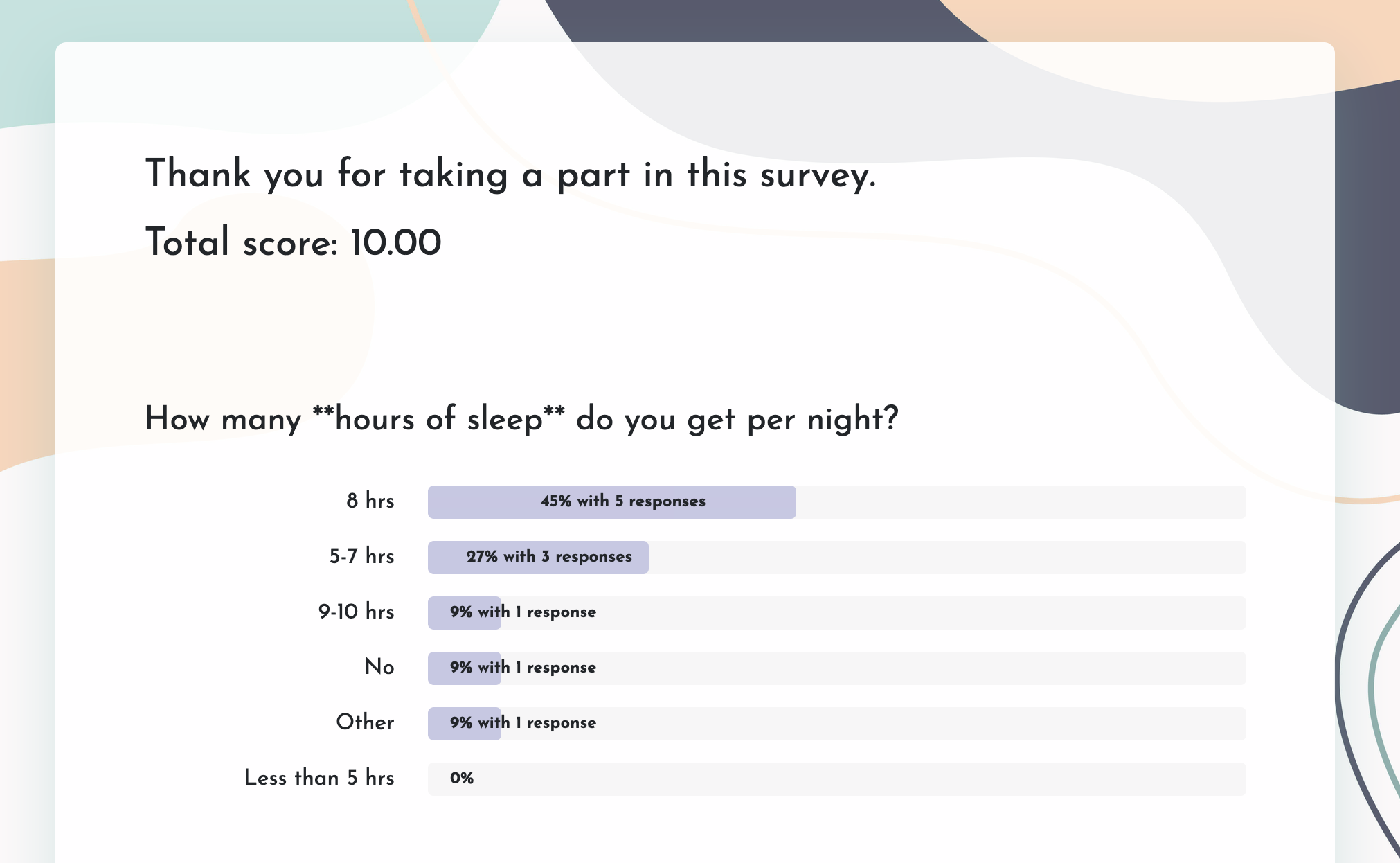
On top of that, responses often reveal hidden objections, such as unclear sizing, weak photos, shipping concerns, or trust issues, which analytics cannot wave at you from a dashboard like a tiny detective.
Checkout and Cart Abandonment Survey Questions
Sample questions
What was the main reason you did not complete your purchase today?
Were any shipping costs, taxes, or fees higher than you expected?
Did you feel the checkout process was too long or complicated?
Were your preferred payment options available at checkout?
What would have helped you complete your order today?
These ecommerce survey questions help you catch buyers right at the finish line before they wander off with their wallet still zipped.
Why & When to Use
Use these ecommerce surveys when you want to understand what stops shoppers from finishing checkout after they have already shown clear buying intent.
They are especially useful for reducing cart abandonment and making the checkout process faster, simpler, and less annoying.
Here’s the thing: if you have strong add-to-cart activity but fewer completed orders than expected, your checkout may be leaking revenue in all the usual sneaky places.
Ask these ecommerce survey questions soon after abandonment for the most accurate answers, because waiting too long gives you fuzzy feedback and very confident guesswork.
Focus your ecommerce survey questions on friction points like:
surprise shipping costs, taxes, or fees
forced account creation
missing payment methods
payment trust concerns
coupon code hunting
delivery timing worries
Plus, these shipping survey questions can be especially useful if delivery speed, fees, or drop-off reliability affect conversion.
On top of that, they also fit broader ecommerce surveys, online grocery shopping survey questions, and even an online marketing questionnaire for customers when you want to prioritize the checkout fixes with the biggest impact first.
Baymard Institute found unexpected extra costs like shipping, taxes, and fees were the top checkout-abandonment reason, cited by 39% of shoppers. Source
Delivery, Fulfillment, and Home Delivery Survey Questions
Sample questions
How satisfied were you with the speed of your delivery?
Did your order arrive on the date or time you expected?
Was your order packaged securely and appropriately?
Did you receive the correct items in good condition?
How likely are you to order again based on your delivery experience?
These ecommerce survey questions help you figure out whether your delivery experience feels smooth, reliable, and repeat-order worthy.
Why & When to Use
Use these ecommerce surveys when you want to measure how customers feel about shipping speed, packaging, order accuracy, and delivery reliability.
They work especially well for brands where logistics can make or break repeat purchases, because even a great product can lose its sparkle if it arrives late looking like it lost a wrestling match.
Here’s the thing: you should separate the shipping experience from the product experience so you can tell whether the problem came from fulfillment, not the item itself.
Focus your ecommerce survey questions on delivery details like:
shipping speed
delivery updates and communication
packaging quality
item condition on arrival
order accuracy
missed delivery expectations
Plus, these home delivery survey questions are especially useful if you sell fragile, perishable, or time-sensitive products where timing and condition matter just as much as the product itself.
On top of that, this section fits both one-time purchases and recurring orders, so it works well in ecommerce surveys for standard retail, subscription boxes, and online grocery shopping survey questions.
You can also fold these insights into a broader online marketing questionnaire for customers when delivery performance affects loyalty, reviews, or reorder intent.
Online Grocery Shopping Survey Questions
Sample questions
How satisfied were you with the freshness and quality of your grocery items?
Were any substitutions made, and if so, how satisfied were you with them?
How convenient was the ordering and delivery scheduling process?
Did you find all the grocery items you needed during your visit?
What would improve your online grocery shopping experience with us?
These ecommerce survey questions help you spot what makes grocery orders feel easy, accurate, and worth repeating week after week.
Why & When to Use
Use this type of ecommerce surveys for grocery orders and other fast-moving household items where freshness, timing, and convenience carry a lot of weight.
They work especially well for grocers, local delivery services, and stores with same-day or scheduled delivery, because nobody wants their bananas arriving with the emotional energy of a science experiment.
Here’s the thing: online grocery shopping survey questions need to focus on category-specific issues that do not show up the same way in other ecommerce survey questions.
Pay close attention to details like:
freshness and item quality
stock availability
substitutions and replacement satisfaction
delivery windows and timing
ease of reordering essentials
saved lists, carts, or past-order shortcuts
Plus, these home delivery survey questions are especially useful when retention depends on making repeat orders feel effortless, not just possible.
On top of that, convenience features like saved shopping lists, fast reordering, and reliable scheduling often drive loyalty more than flashy promotions.
You can also blend these insights into a broader online marketing questionnaire for customers if you want to connect fulfillment quality with repeat purchase behavior, basket size, or long-term satisfaction.
Customer Satisfaction, Loyalty, and Post-Purchase Survey Questions
Sample questions
Overall, how satisfied are you with your online shopping experience with us?
How likely are you to purchase from us again?
How likely are you to recommend our store to a friend or colleague?
Did our product meet your expectations after delivery?
What is the main reason for your rating today?
These ecommerce survey questions help you measure how customers feel after the sale, not just during the click-happy part.
Why & When to Use
Use these ecommerce surveys when you want a clear read on satisfaction, loyalty, and whether someone is likely to come back for more.
They are especially useful after a first order, a repeat purchase, a support interaction, or a return, because post-purchase feedback shows you how the full experience actually landed.
Here’s the thing: strong ecommerce survey questions in this category do more than collect nice scores.
They help you track the big signals over time, like:
overall customer satisfaction
repeat purchase intent
recommendation likelihood
product expectation match after delivery
loyalty trends across different buyer groups
Plus, this is where home delivery survey questions can connect fulfillment performance with long-term brand trust.
If the package arrived late, damaged, or not quite as expected, that can quietly crush loyalty faster than you can say "where is my order?"
On top of that, open-ended follow-ups matter a lot here.
Ask one simple question about why a customer gave their rating, and you can uncover issues that numbers alone will miss.
You can also fold these insights into a broader online marketing questionnaire for customers to spot promoters, rescue at-risk buyers, and improve the experience from checkout to doorstep.
Best Practices for Writing and Using Ecommerce Surveys
Sample questions
Is each survey question directly tied to a business goal?
Are the questions clear, specific, and easy for customers to answer quickly?
Have you limited the survey length to avoid drop-off?
Are you sending the survey at the right moment in the customer journey?
Do you have a plan for acting on the feedback you collect?
Great ecommerce surveys are short, sharp, and built to drive action.
Why & When to Use
Use this section after reviewing the main types of ecommerce survey questions, so you can build better surveys instead of just more surveys.
It is especially helpful if you manage marketing, customer experience, retention, or an online marketing questionnaire for customers and want feedback that is actually useful.
Here’s the thing: the best ecommerce surveys are designed around one goal at a time.
If you want delivery feedback, use home delivery survey questions. If you want checkout insights, ask about checkout. One giant survey for everyone usually performs like a shopping cart with one wobbly wheel.
Keep these do's in mind:
Do keep surveys short and focused.
Do mix rating-scale questions with open-ended follow-ups.
Do segment ecommerce survey questions by customer journey stage.
Do personalize questions when it makes sense.
Do review results regularly and compare trends over time.
And avoid these common mistakes:
Don’t ask too many questions at once.
Don’t use biased or leading wording.
Don’t collect feedback without a follow-up plan.
Don’t ignore the mobile response experience.
Don’t ask for information you already have.
Plus, online grocery shopping survey questions and other niche formats work best when matched to a specific business objective, not forced into one generic template.
How to Turn Online Shopping Survey Insights Into Action
Sample questions
Which customer problems appear most often across survey responses?
Which issues have the biggest impact on conversions or repeat purchases?
What quick fixes can be implemented immediately?
Which teams need to act on the feedback collected?
How will you measure whether changes based on survey data actually worked?
Your survey data only matters when it changes what you do next.
Why & When to Use
Use this final section to turn ecommerce surveys from a reporting exercise into real business improvements.
It works especially well when you want ecommerce survey questions to support conversion rate optimization, retention, customer experience, and smarter marketing decisions.
Here’s the thing: once responses come in, your next job is to organize the mess before it becomes useful insight.
Start by grouping feedback into clear themes:
Website
Product
Checkout
Delivery
Service
This makes ecommerce survey questions, home delivery survey questions, and even online grocery shopping survey questions much easier to act on.
Next, prioritize what to fix by looking at three things:
How often the issue appears
How much business impact it has
How easy it is to implement
Plus, not every problem deserves a full project plan. Sometimes the fastest win is a checkout tweak, a delivery update, or clearer product details. Tiny fix, big glow-up.
On top of that, connect survey findings to KPIs so you can prove the work mattered:
Conversion rate
Average order value
Repeat purchase rate
Refund rate
Customer satisfaction
Share results with the right teams too, especially ecommerce, product, support, operations, and marketing.
The best ecommerce surveys and online marketing questionnaire for customers are only as valuable as the action they inspire.
Related Customer Survey Surveys
29 Restaurant Survey Questions
Explore 25 sample restaurant survey questions to improve customer feedback, boost service quality...

29 Airbnb Survey Questions to Ask Guests
Discover 25 Airbnb survey questions with sample questions, insights, and practical examples to im...
32 Interior Design Survey Questions
Explore 25 interior design survey questions with sample questions to gather client insights, refi...