29 Non Profit Membership Survey Questions
Explore 25 sample non profit membership survey questions to improve engagement, gather insights, and strengthen your nonprofit community.
A nonprofit membership survey is a simple way to ask your people what they think, need, and want next, so you can improve retention, boost engagement, shape smarter programs, and support fundraising without guessing.
The right questions change everything.
Here’s the thing: the best membership survey questions depend on your goal, whether you need nonprofit member questions for onboarding, satisfaction, engagement, renewal, events, or exit feedback. Plus, this guide will help you choose better nonprofit survey questions, member survey questions, and member satisfaction survey examples without making your survey feel like homework.
New Member Survey Questions for Onboarding and First Impressions
Sample questions
What motivated you to join our nonprofit membership program?
How clear and helpful was the information you received after joining?
Which benefits or opportunities were most important in your decision to become a member?
How connected do you currently feel to our mission and community?
What would help you get involved in your first 60 days as a member?
Early feedback helps you fix small cracks before they become big leaks.
Why & When to Use
Use these membership survey questions within the first 30 to 90 days, when a new member’s first impression is still fresh and useful.
These nonprofit member questions help you learn why people joined, whether your welcome emails and onboarding materials made sense, and what they expected to happen next.
Here’s the thing: if your onboarding feels confusing, new members rarely send a dramatic memo about it. They just quietly drift away, which is about as fun as stepping on a Lego.
A smart membership survey or sample membership survey at this stage can improve orientation, welcome sequences, and early engagement pathways without guesswork.
For the best results, mix rating-scale items with open-ended nonprofit survey questions so you get both clear patterns and helpful detail.
For example, a rating question can show whether your instructions were clear, while an open response can reveal exactly where people got stuck.
Plus, look for friction points like:
unclear next steps after joining
too many emails or not enough guidance
benefits that sounded good but felt vague
difficulty finding events, contacts, or volunteer options
On top of that, segment your member survey questions by member type, chapter, age group, or joining source.
That makes your membership survey questionnaire far more useful, because different members often join for very different reasons.
Associations that introduced structured 30-to-90-day onboarding saw a 53% increase in new-member engagement, underscoring the value of early onboarding surveys and clear next steps (ASAE).
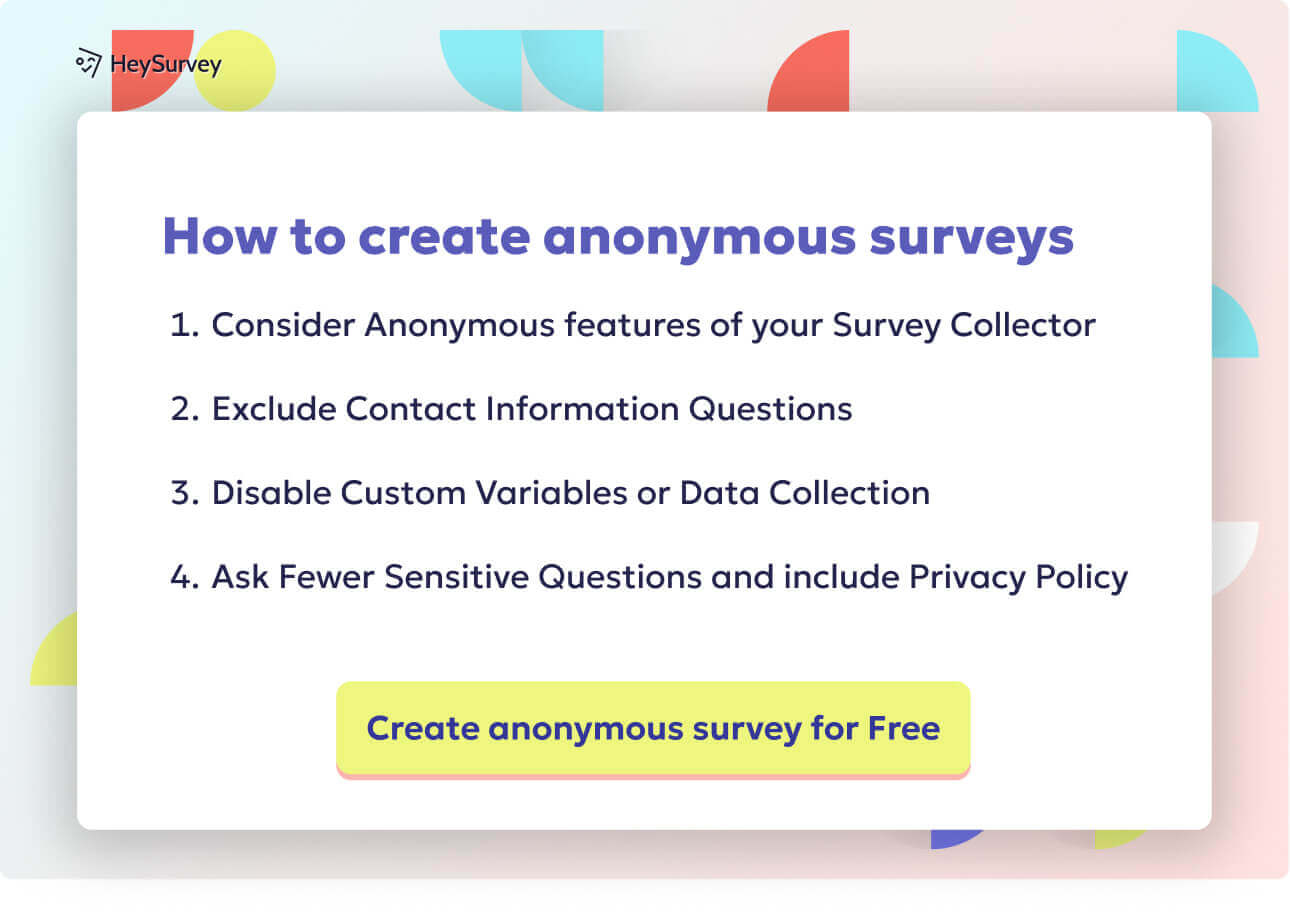
How to create a non-profit membership survey in HeySurvey
1. Create a new survey
Open HeySurvey and start with a template to save time, or choose a blank survey if you want to build it from scratch. Give your survey a clear name, such as “Non-Profit Membership Survey,” so you can find it easily later. You can also add your logo and adjust basic settings before moving on.
2. Add questions
Click Add Question to include the questions your members should answer. For a membership survey, you may want to ask about satisfaction, event interest, communication preferences, volunteering, and reasons for renewing or not renewing. Use Choice, Scale, NPS, or Text questions depending on the answer type you need. Mark important questions as required if needed.
3. Publish survey
Preview your survey to check the flow and wording. When everything looks right, click Publish to create a shareable link. You can then send the survey to your members by email or place it on your website.
Member Satisfaction Survey Questions to Measure Overall Experience
Sample questions
Overall, how satisfied are you with your membership experience?
How well does our organization communicate with you about programs, news, and opportunities?
How valuable do you find the benefits included with your membership?
How likely are you to recommend membership in our organization to others?
What is one thing we could improve to better serve you?
Satisfaction data shows you how members feel before renewal numbers start acting dramatic.
Why & When to Use
Use these membership survey questions once a year, twice a year, or after a big change to member services, benefits, or communication.
They work especially well when you want to measure the full member experience, not just one event or campaign.
These nonprofit member questions help you track how satisfied people are with communication, support, benefits, and overall value.
Here’s the thing: member frustration usually builds quietly, so a solid membership survey can catch problems before they start hurting renewals.
Common metrics in nonprofit survey questions include:
overall satisfaction
likelihood to recommend
perceived value of benefits
communication quality
support responsiveness
Plus, do not just look at one survey in isolation.
Compare your membership survey questionnaire results across time periods so you can spot trends, see whether changes helped, and catch slow declines early.
On top of that, connect member survey questions to retention rates whenever possible.
If satisfaction drops in the same period that renewals soften, that is a strong clue that your nonprofit survey questions are pointing to a real member experience issue.
A smart sample membership survey at this stage gives you useful member satisfaction survey examples and clearer direction for future improvements.
Higher Logic’s 2025 Association Member Experience Report found 82% of members feel engaged, supporting satisfaction questions on communication, value, and renewal intent (source).
Member Engagement Survey Questions for Participation and Involvement
Sample questions
Which of our activities have you participated in during the past 12 months?
What types of opportunities are you most interested in: volunteering, events, advocacy, networking, or leadership?
What barriers make it difficult for you to participate more often?
How often would you ideally like to hear about involvement opportunities?
What would make you feel more engaged as a member?
Engagement-focused membership survey questions help you find the gap between member interest and member action.
Why & When to Use
Use these nonprofit member questions when event turnout feels sleepy, volunteer help dips, or your organization wants stronger community connection.
They are especially useful when you need to understand not just whether people care, but how they actually want to participate.
Here’s the thing: low participation does not always mean low interest.
Sometimes members are busy, unsure where they fit, or waiting for the right ask to land in the right inbox at the right time. Goldilocks would approve.
A strong membership survey or sample membership survey can uncover what is getting in the way and what would motivate more action.
These nonprofit survey questions are helpful for shaping:
volunteer roles
committee opportunities
advocacy campaigns
networking activities
leadership pathways
Plus, include multiple-choice options so answers are easy to sort and compare.
Add an “other” field too, because member survey questions often miss options that real humans think of in five seconds flat.
On top of that, use your membership survey questionnaire results to tailor outreach by interest level.
New member survey questions and broader membership survey questions can reveal hidden capacity among quieter members who are not inactive, just not yet matched to the right opportunity.
Membership Benefits and Value Survey Questions
Sample questions
Which membership benefits do you use most often?
Which benefits do you consider most valuable?
Are there any benefits you were expecting but have not received?
How would you rate the overall value of your membership relative to the cost or time commitment?
What new benefits or resources would make membership more useful to you?
The best membership survey questions show you what members value, not just what you offer.
Why & When to Use
Use these membership survey questions before pricing changes, benefit updates, or strategic planning, when you need clear insight instead of educated guessing.
They work especially well when your nonprofit wants to learn which benefits people actually use, which ones feel valuable, and which ones are basically collecting dust in the corner.
Here’s the thing: awareness and usage are not the same.
A member may love a benefit they use every month, or completely miss one you thought was a star player, which is why smart nonprofit member questions should measure both.
These nonprofit survey questions help you prioritize benefits that support renewals, improve retention, and trim low-impact offerings before they eat up time and budget.
Use ranking questions when possible so your membership survey questionnaire reveals top benefits, not just a pile of equally nice answers.
These member survey questions are especially useful for:
benefit redesign
renewal planning
membership pricing reviews
strategic planning cycles
testing new resources or perks
Plus, this section strengthens any sample membership survey by connecting perceived value to future renewal decisions, which is where the real plot twist usually lives.
Members who engaged with two or more association benefits during their membership cycle were twice as likely to renew, highlighting the importance of measuring benefit usage and value (source).
Membership Renewal Survey Questions for Retention and Loyalty
Sample questions
How likely are you to renew your membership when it is due?
What are the main reasons you would choose to renew?
What concerns, if any, might prevent you from renewing?
How well does your membership meet your current needs and interests?
What could we do to increase the likelihood that you will renew?
Great membership survey questions help you spot a lapse before it becomes a goodbye.
Why & When to Use
Use these membership survey questions 60 to 90 days before renewal, right after renewal, or anytime your renewal rate starts looking a little wobbly.
They are especially useful for measuring renewal intent, uncovering retention risks, and identifying the loyalty drivers that keep people connected to your mission.
Here’s the thing: satisfaction and renewal intent are not the same.
A member can say they are happy and still decide not to renew because of budget, timing, shifting priorities, or changing needs, which is why strong nonprofit member questions should measure both feelings and future action.
These nonprofit survey questions help you intervene before members lapse, so you can fix problems while there is still time to keep the relationship going.
For the best results, pair a rating question with one open-ended retention question so your membership survey gives you both clean data and real-world context.
Make sure your follow-up plan includes flagging at-risk respondents, especially people who give low renewal scores or mention specific barriers.
These member survey questions work well for:
renewal campaigns
retention planning
member win-back efforts
loyalty analysis
early risk detection
On top of that, this sample membership survey section gives your nonprofit survey questions a practical edge, because guessing loyalty is a bit like reading tea leaves with a spreadsheet.
Event and Program Feedback Survey Questions for Nonprofit Members
Sample questions
How satisfied were you with this event or program overall?
How relevant was the content or experience to your interests as a member?
What part of the event or program was most valuable?
What could we improve for future events or programs?
What topics or formats would you like us to offer next?
Smart membership survey questions turn one event into better programs all year long.
Why & When to Use
Use these nonprofit member questions right after conferences, webinars, chapter meetings, training sessions, fundraisers, or advocacy events.
They work best when the experience is still fresh, because memory fades fast and even your best snacks cannot save fuzzy feedback.
These nonprofit survey questions help you figure out whether your programs are relevant, accessible, and worth repeating.
Plus, they give you useful insight into what drives attendance, what keeps members engaged, and what your future communications should highlight.
A strong membership survey should cover more than general satisfaction.
Include questions about:
event logistics
content quality
speaker or facilitator effectiveness
ease of access
interest in future topics or formats
Here’s the thing: one good event survey can improve much more than a single event.
When you review recurring feedback patterns, your member survey questions start feeding a broader membership survey questionnaire strategy, helping you shape smarter programming over time.
This sample membership survey approach is especially useful if you want cleaner data across multiple events and stronger long-term planning.
On top of that, these new member survey questions can also reveal whether first-time attendees are finding value early, which makes your nonprofit survey questions even more useful.
Exit and Lapsed Member Survey Questions
Sample questions
What was the primary reason you chose not to renew your membership?
Which aspects of membership did you find least useful?
Did cost, time, communication, or relevance influence your decision to leave?
What could we have done differently to keep you as a member?
Would you consider rejoining in the future, and if so, under what conditions?
The best membership survey questions help you learn from every goodbye, not just count it.
Why & When to Use
Use these nonprofit member questions when someone cancels, does not renew, or goes inactive for a long stretch.
They are some of the most useful nonprofit survey questions for understanding why members leave and what might bring them back.
Here’s the thing: if you never ask exiting members what went wrong, you are basically letting your best improvement ideas walk out the door.
Keep this membership survey short, clear, and easy to complete, because long exit forms tend to get ignored fast.
Plus, neutral wording matters a lot in a membership survey questionnaire.
You want honest answers, not questions that sound defensive, leading, or awkwardly guilt-trippy.
A strong sample membership survey for lapsed members can uncover patterns you can actually fix, especially when you group responses into themes like:
price
relevance
engagement
communication
On top of that, these member survey questions help you improve retention, strengthen long-term member value, and spot preventable churn earlier.
This is also a smart place to include nonprofit member questions that identify whether better onboarding, stronger programming, or clearer communication could have changed the outcome.
Used well, these new member survey questions and exit-focused nonprofit survey questions give you practical insight you can act on quickly.
Best Practices for Writing and Sending Nonprofit Membership Surveys
Sample questions
What is the single most important goal of this survey?
Which member segment are we trying to understand?
Are our questions clear, specific, and free of jargon?
Are we asking only questions we are prepared to act on?
Have we kept the survey length appropriate for the audience and purpose?
Great membership survey questions do not just collect feedback, they make it easier for you to use it.
Why & When to Use
Use this section as your go-to framework for building better membership survey questions, nonprofit member questions, and nonprofit survey questions across every stage of the member journey.
Here’s the thing: even a smart sample membership survey can flop if it is too long, too vague, or feels like homework in disguise.
When you want better response rates and better insight, start with one clear goal per membership survey.
Plus, keep the survey concise, mobile-friendly, and easy to finish in a few minutes, because your members are busy and their thumbs have limits.
A strong membership survey questionnaire should mix quick rating or multiple-choice items with a few open-ended member survey questions.
That gives you both clean data and real member language you can actually learn from.
Helpful dos include:
define one primary objective per survey
keep surveys short and simple
use a mix of closed-ended and open-ended questions
segment results by membership type, tenure, or engagement level
tell members what changed based on their feedback
Just as important, avoid these traps:
asking too many nonprofit member questions at once
using vague, leading, or double-barreled wording
sending a survey without a follow-up plan
ignoring low-response groups or unusual feedback
collecting sensitive information without a clear reason
On top of that, think about survey cadence, whether anonymity will improve honesty, and when new member survey questions fit best in your overall outreach plan.
Turning Membership Survey Insights Into Action
Sample questions
Which findings show the biggest risk to member retention?
Which improvements would have the greatest impact on member satisfaction or engagement?
What quick wins can we implement in the next 30 to 60 days?
Which member segments need different follow-up actions?
How will we communicate survey results and next steps to members?
The best membership survey questions only earn their keep when you turn answers into action.
Why & When to Use
Use this concluding section when you are ready to turn membership survey results into smarter decisions, clearer priorities, and visible improvements members can actually feel.
Here’s the thing: strong nonprofit member questions are only half the job, because data that sits in a spreadsheet is basically just expensive wallpaper.
Start by reviewing your nonprofit survey questions and grouping responses into themes so patterns are easier to spot.
Common theme buckets include:
communication
member benefits
events and programming
renewal risk
onboarding and support
Plus, look for what matters most by weighing each issue by impact and ease of implementation.
That helps you separate high-value changes from nice ideas that can wait a bit.
A practical action plan should include:
quick wins you can complete in 30 to 60 days
longer-term improvements that need planning
follow-up steps for different member segments
an owner and deadline for each action item
On top of that, close the feedback loop by sharing key takeaways from your membership survey, what you learned from nonprofit survey questions, and what you will do next.
That step builds trust, boosts future response rates, and shows members you were listening.
The best membership survey questionnaire is not just well written.
It leads to measurable action.
Related Feedback Survey Surveys
29 Catering Survey Questions to Ask Customers
Explore 25 sample catering survey questions to gather feedback, improve events, and understand cl...
29 User Feedback Survey Questions
Explore 25 user feedback survey questions with sample prompts, practical tips, and ideas to impro...
29 Environment Survey Questions to Ask Today
Discover 25 environment survey questions with sample answers to improve feedback, measure awarene...