28 Friend Group Survey Questions
Discover 25 friend group survey questions, with sample polls for hangouts, check-ins, and group chats your crew will actually answer.
You need friend group survey questions your crew will finish. Not a clipboard. Not a vibe check nobody asked for.
A friends survey can be a hangout vote, a tiny friend census, or five prompts before pizza. Drop it in the chat or on a free survey. Keep the planning stuff and the silly stuff short.
HeySurvey is free, forever. You can start without an account. Sign up only when you want to collect responses.
Icebreaker survey questions for friend groups
Sample questions
What snack would you bring if this hangout started in ten minutes?
What show would you rewatch with this group without complaining?
Coffee run, walk, or stay on the couch if the group voted right now?
What emoji describes your week a little too well?
If this friend group needed a mascot, what would it be?
Why & When to Use
Icebreakers are the easy on-ramp. They let the quiet person tap an answer without writing a speech.
I think one question at the start of a hangout is enough. Two, if the first one gets a shrug.
Here's the thing, these friend survey questions work when people are still arriving, still chewing, or still pretending they read the chat.
Use them in places like:
a group chat that went quiet
the first ten minutes of a party
a trip when the playlist stalls
a funny poll for friends you want everyone to finish
Keep the stakes low. If someone needs a lawyer to answer, you went too far.
Plus, skip inside jokes that only two people get. The lurkers deserve a fair shot.
On top of that, icebreakers travel well. The same prompt can live in iMessage, at the table, or in a shared friends survey link.
Ask one. Wait. If it lands, you can go weirder later.
Research on friendship quality questionnaires consistently finds that perceived support, intimacy, and communication are core indicators of healthier friendships and stronger connection (source).
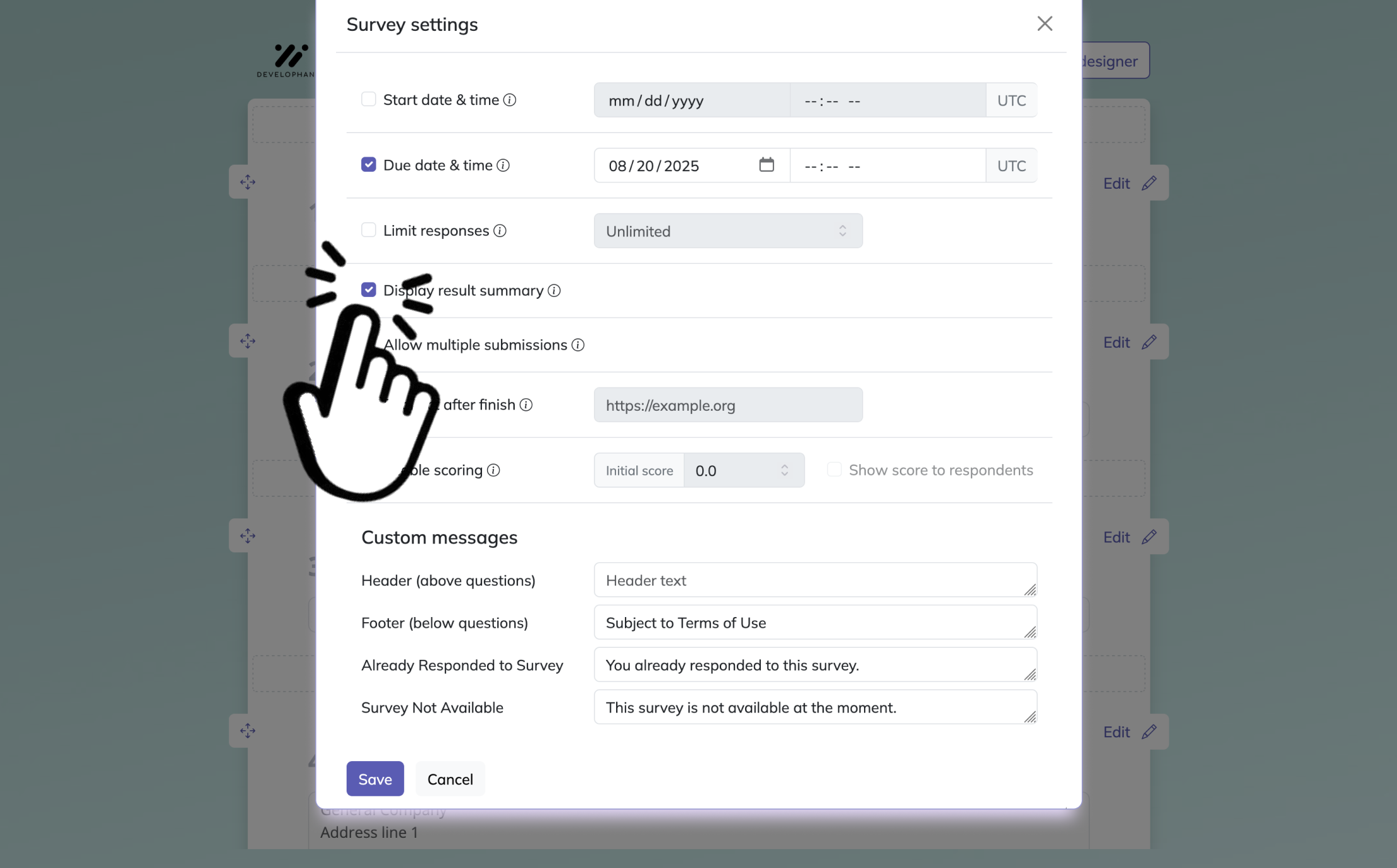
Create your friend group survey in HeySurvey in just three easy steps:
Create a new survey
Start by opening a template with the button below, or choose a blank survey if you want to build it from scratch. You can use the online survey tool right away, even without an account.Add questions
Click Add Question and include fun friend group questions like favorite hangout spots, weekend plans, group roles, or quick ratings. Use Choice questions for multiple options, Text questions for open answers, and Scale questions for simple opinions. You can also make questions required if you want every friend to answer.Publish survey
When your questions are ready, preview the survey to check everything looks good. Then click Publish to create a shareable link and send it to your group. If you want to collect responses later, make sure you have an account before publishing.
Would you rather questions for friend groups
Sample questions
Would you rather plan every hangout or show up and be pleasantly confused?
Would you rather share fries or share a charger, if you could only pick one forever?
Would you rather be the designated photographer or the designated snack lead?
Would you rather take a cheap trip next month or a nicer trip next year?
Would you rather host at your place or be the guest who brings extra snacks?
Why & When to Use
Would you rather works because it forces a pick. The vote is fine. The argument after the vote is the good part.
Ask why. Always ask why.
Here's the thing, these friend group questions shine when nobody wants to start a real conversation. Two silly options beat a blank text box.
They fit:
group chats on a slow Tuesday
car rides when you need a debate, not a podcast
parties where people are holding plates
a group chat poll when typing the same question twice feels like a lot
Keep both choices equally inconvenient. If one side is obviously better, the poll is over before it starts.
Plus, skip options that are mean or too revealing. You want laughs, not a friendship performance review.
On top of that, this format creates fake drama on purpose. That is the fun.
Used well, surveys for friends like this get people talking without making anyone feel examined.
Research shows more relevant, interesting questionnaires can improve survey response rates, supporting playful, low-pressure friend group surveys designed around shared interests and fun prompts (PMC).
This or that questions for friend groups
Sample questions
Big group dinner or a smaller hangout with better seats?
Competitive games or cooperative games where nobody cries?
Surprise party or a normal party with better food?
One long trip a year or three tiny weekends?
Stay out late or call it at a reasonable hour like adults?
Why & When to Use
This or that is the fastest format. People answer while walking. People answer while pretending they are still deciding where to eat.
I use these when the group needs a decision, or the illusion of a decision before you ignore the result and order pizza anyway.
Here's the thing, both sides should feel familiar. You want that "wait, why is this hard?" pause.
Try them for:
Instagram story polls
texting games
a two-minute icebreaker
the first round of a party
Plus, mix food, timing, and hangout habits. Ordinary topics get big opinions.
On top of that, keep the wording simple. The faster someone understands it, the faster they vote.
If the votes split down the middle, you found the sweet spot. Celebrate that tiny chaos.
Get-to-know your friend group questions
Sample questions
What is a small thing this group does that you secretly love?
What talent do you have that this group has never seen?
What trip story do you still tell, even if everyone was there?
What tradition do you want this group to keep?
What is one thing you wish the group knew about how you recharge?
Why & When to Use
These go a notch deeper. Still not a therapy intake form.
The goal is stories, not a confession. Use them when the group already likes each other and you want more than a tap.
Here's the thing, they help mixed groups too. Old friends and plus-ones can answer without knowing every inside joke.
Good moments include:
a reunion where people are catching up
a new-friend hangout that needs a gentle push
a long dinner or a weekend trip
a funny survey that still needs a warmer middle
Keep prompts generation-neutral. Do not assume partners, kids, or the same kind of home life.
Plus, if a question would feel weird in a mixed room, cut it.
On top of that, start easy and go a little more personal over time. That sequence feels safer than dumping a heavy prompt on people who just sat down.
Questions to ask a group of friends like these should still feel optional. Nobody owes the room a speech.
Research on adolescent friendships found solution-oriented conflict resolution was used most often and was linked to better friendship quality (source).
Hot take questions for friend groups
Sample questions
Is a hangout without food even a hangout?
Should the person who suggests the plan also pick the time?
Is it legal to say "we should do this again" and then never schedule it?
Can a group have two group chats, or is that a silent breakup?
Is splitting the bill by item a personality, and is it yours?
Why & When to Use
Hot takes get replies. They also get people standing on imaginary soapboxes.
That is the point. Keep them mild. Save the truly spicy stuff for a group that already roasts each other for sport.
Here's the thing, a yes, no, or it-is-complicated poll is enough. Then watch the thread write itself.
Drop one into:
iMessage on a boring afternoon
a party vote before the real games
a shared HeySurvey link when typing feels like a lot
a sleepy chat that needs a grin, not a meeting
Avoid topics that punch down. Avoid anything that singles out one friend every time.
Plus, if it would start a real fight, it does not belong here.
On top of that, report the split. People love seeing they are not alone in a ridiculous opinion.
Silly hypothetical questions for friend groups
Sample questions
If this group had a reality show, what would the title be?
If the group ran a tiny shop for a week, what would you sell?
If a theme song played when this group walked in, which song survives the vote?
If each person got a slightly useless superpower, who gets what?
If a documentary crew followed this group for a day, what scene would they lead with?
Why & When to Use
Lean into the absurd. Nobody has to live on a desert island. Nobody has to open a haunted cafe.
The answers still tell you who brings a speaker, who brings snacks, and who brings a laminated itinerary.
Here's the thing, weird imaginary situations pull out strong opinions fast. There are no real-world consequences, so people get funnier.
These shine during:
late-night chats
campfires and long dinners
road trips with too many hours left
lazy weekends on the couch
Keep the setup vivid and easy to picture. If the scene is clear, friends can answer quickly and then riff.
Plus, tie the scenario to your group's real habits for bigger laughs. The "who would survive" question gets better when everyone knows who forgets chargers.
On top of that, keep the wording clean so the fun starts fast.
Best practices for friend group survey questions
Sample questions
Is this question easy to answer in under ten seconds?
Does this prompt work for the whole group, including new people?
Are we mixing fun with one useful planning question?
Would anyone feel singled out if they answered honestly?
Can we actually use this answer for a hangout or a check-in?
Why & When to Use
This section is your quality check. Use it while you write, not after a friends survey already flopped.
Here's the thing, a clever question that humiliates someone is not clever. It is a sandwich dropped on the floor.
Do this:
tailor the tone to your group
keep questions short and easy to scan
mix fast polls with one that starts a story
test the question on yourself first
Do not do this:
target the same friend over and over
lean on inside jokes that exclude half the room
stack ten questions like a pop quiz
cram fun, logistics, and heavy feelings into one survey
Plus, one fun question at the start is enough. Five in a row starts to feel like homework.
On top of that, skip questions that assume everyone lives the same life.
Turn friend group survey answers into better hangouts
Sample questions
Which result should the group act on first?
What is one small change we can make this week?
What group habit should we keep because it is clearly working?
Which answer could become the next hangout theme?
When should we run this friend census again?
Why & When to Use
Votes should do more than sit there. The best friend group survey questions turn into plans, running jokes, or a reason you somehow wear matching hats next Friday.
Here's the thing, if you never share the results, the next round gets quieter. Close the loop.
Try using the answers like this:
pick a hangout from the most popular choice
ask the winning side to explain themselves
move sensitive stuff into a private follow-up
save the questions that got the fastest replies
Plus, notice what your group actually wants. That helps you write better friend survey questions next time.
On top of that, keep a short list of winners. Reuse them. People like a tradition that does not require a spreadsheet.
Related Poll Survey Surveys
27 Poll Survey Questions Examples
Explore 25 poll survey questions examples with sample questions, practical insights, and easy tip...
31 Gun Control Survey Questions
Explore 25 gun control survey questions with clear sample questions, insights, and practical exam...
28 Political Survey Questions
Explore 25 political survey questions with sample insights on voter opinion, policy views, and ca...