29 Food Survey Questions
Explore 25 food survey questions with sample answers to understand tastes, habits, and feedback for better food research and insights.
Food survey questions are the simple prompts you use to learn what people like, avoid, buy, and expect from meals, snacks, drinks, and dining experiences. Businesses, schools, restaurants, brands, event planners, and researchers use them to make smarter decisions, because guessing is a terrible menu strategy.
Better questions lead to better food decisions.
In this guide, you’ll find the most useful types of food surveys, including consumer profile survey questions food industry examples, food satisfaction survey questions, and practical food survey ideas, plus when to use each one and how to turn answers into better menus, products, and customer experiences.
Sample questions
What are your top three favorite types of food or cuisine?
Which foods do you regularly avoid or dislike?
How often do you try new food or beverage products?
Which matters more when choosing food: taste, price, convenience, healthfulness, or portion size?
Do you follow any dietary preferences or restrictions, such as vegetarian, vegan, halal, gluten-free, or dairy-free?
Customer Food Preference Survey Questions
These questions reveal what people actually want on the plate.
Why & When to Use
Customer food preference surveys help you learn what people enjoy, what they skip, and how choices shift across age, lifestyle, culture, and household size.
That makes this type of food survey especially useful when you need sharper decisions, not fuzzy guesses and crossed fingers.
Use these pizza survey questions for:
menu planning for restaurants, schools, or events
product development for new snacks, drinks, or meals
cafeteria updates based on changing tastes
retail assortment decisions about what to stock
audience segmentation using consumer profile survey questions food industry examples
Here’s the thing, this section also fits search intent for a favorite food survey or a food likes and dislikes questionnaire, because it focuses on personal taste and everyday eating habits.
For stronger insights, mix preference questions with behavior questions.
Ask what people like, but also ask what they actually buy, how often they try new items, and what influences their final choice.
Plus, segment responses by consumer profile whenever possible.
Preferences often change by time of day, season, budget, health goals, or household needs, which is why food satisfaction survey questions and broader food and beverage survey questions work better when you look at patterns by group, not just totals.
A good food survey template helps, but the real magic is asking the right people the right questions before your next big food decision goes full mystery casserole.
Sample questions
How satisfied were you with the taste of your food today?
How would you rate the freshness and quality of the ingredients?
Was the portion size appropriate for the price you paid?
How satisfied were you with the variety of food options available?
What is one thing we could improve about your food experience?
A 2025 Pew survey of 5,123 U.S. adults found taste and cost matter more than healthiness when deciding what to eat, informing food preference surveys (source).
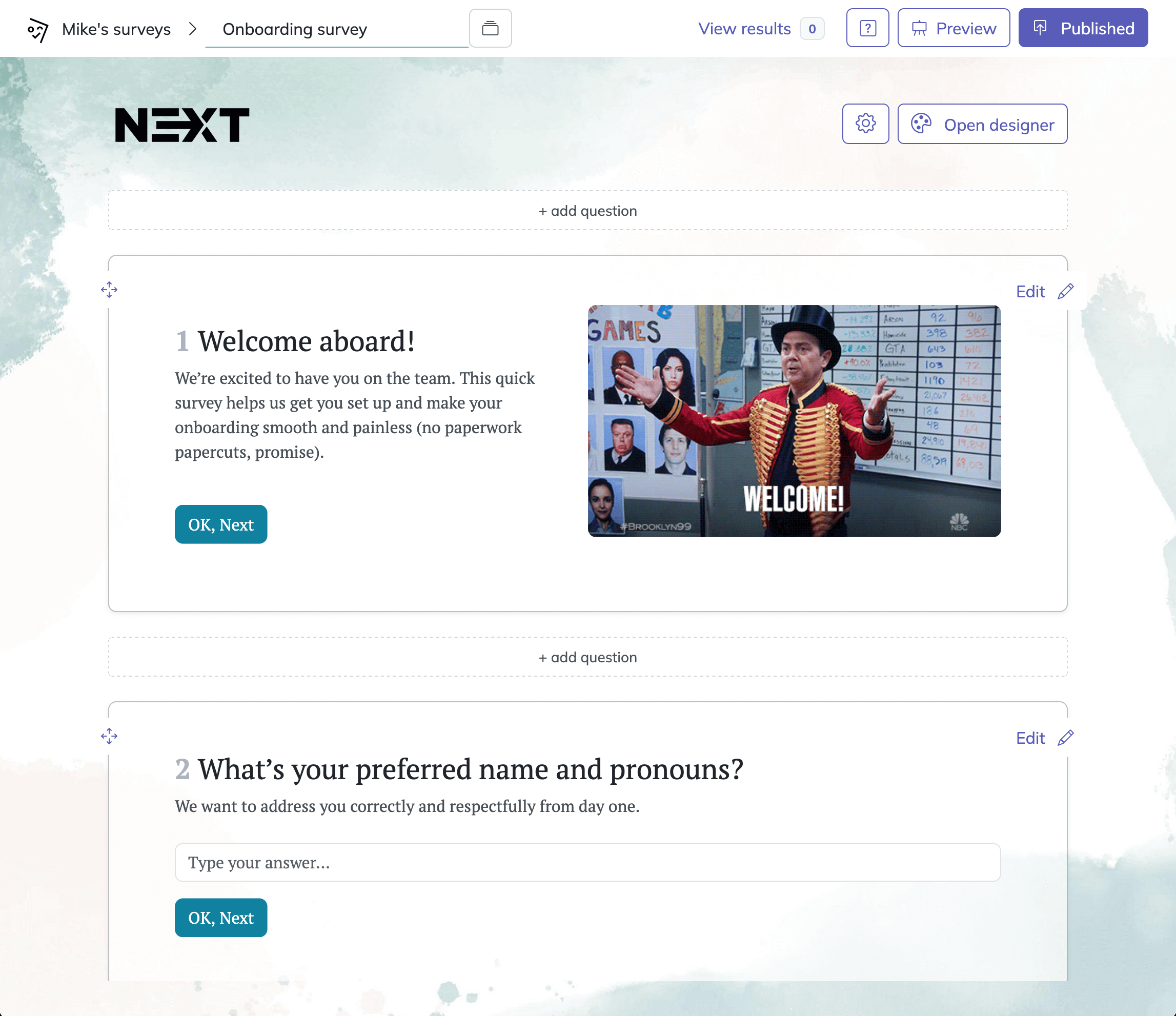
Create a new survey. Open HeySurvey and start from a food survey template, or choose a blank survey if you want to build it yourself. You can begin without an account, then sign in later when you’re ready to publish and save responses.
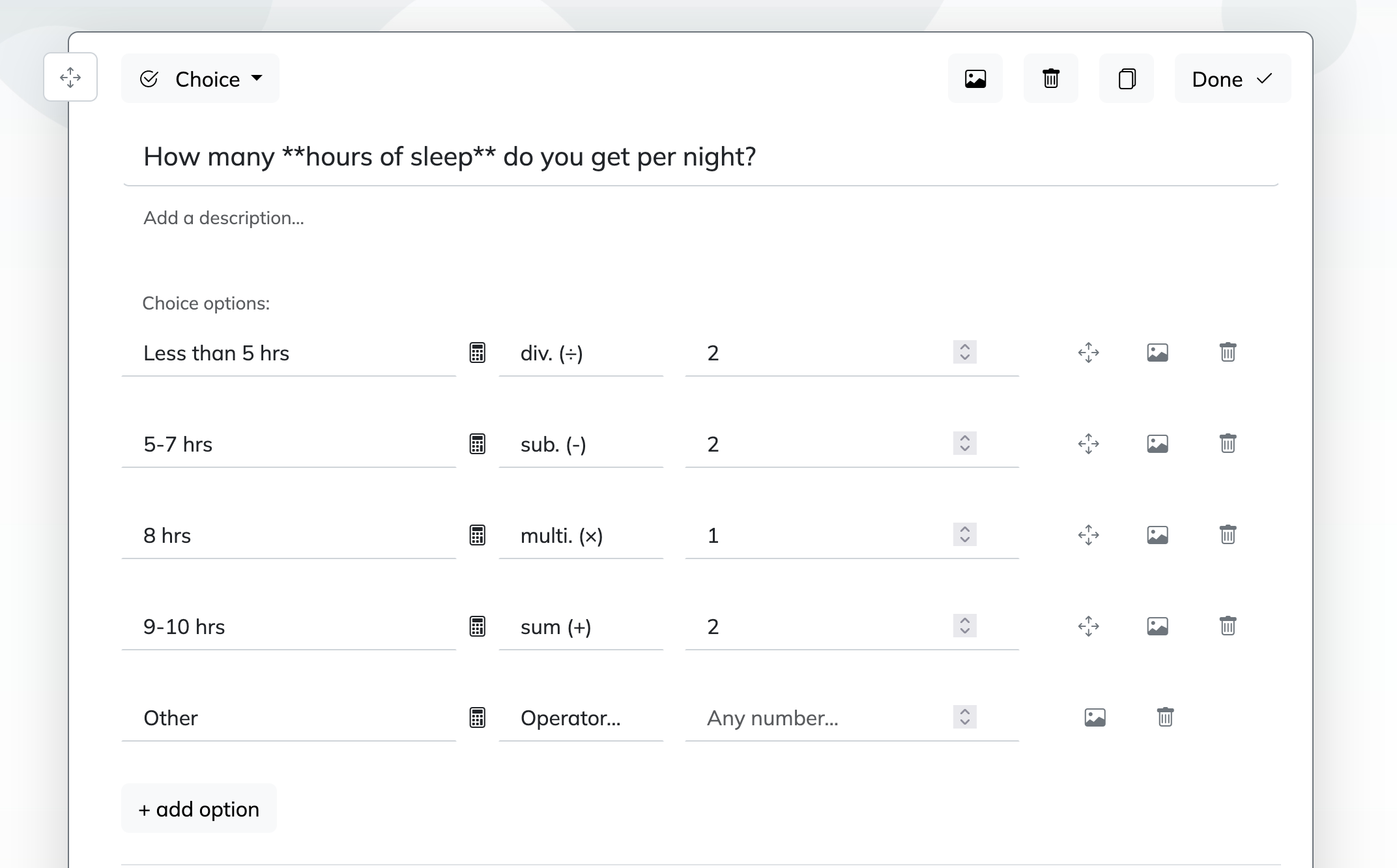
Add questions. Use Add Question to include the items you need for a food survey, such as choice questions for favorite cuisines, scale questions for taste ratings, number questions for meal frequency, or text questions for comments. Mark important questions as required, and add answer choices like breakfast, lunch, dinner, snacks, or restaurant names.
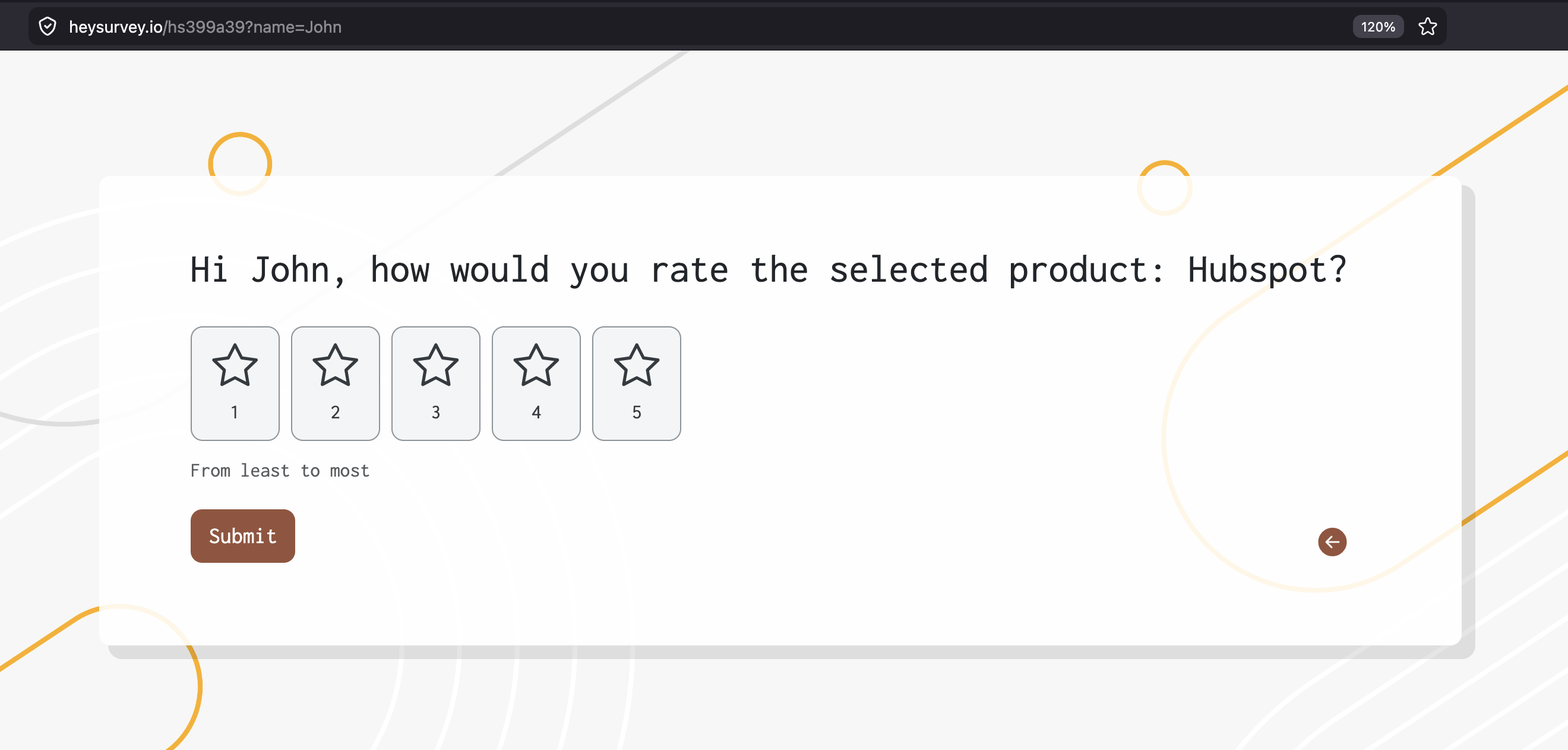
Publish your survey. Preview your survey first to check the flow and wording. When everything looks right, click Publish to create a shareable link. After publishing, you can send the survey to respondents, embed it on your website, or use the button below to open a template and get started quickly with our online survey tool.
Food Satisfaction Survey Questions
These questions show how your food experience really landed.
Why & When to Use
Food satisfaction survey questions help you measure how happy people are with taste, quality, freshness, value, and the overall dining experience.
That makes them a smart choice when you need clear feedback, not vague comments like “it was fine,” which usually tells you almost nothing.
Use this type of food survey or food service survey for:
restaurants tracking guest experience
cafeterias reviewing daily meal performance
meal delivery services checking order quality after arrival
catering companies evaluating event feedback
workplace dining programs improving employee satisfaction
Here’s the thing, the strongest food satisfaction survey questions usually combine rating scales with one open-ended follow-up.
That way, you learn both how people scored the experience and why they gave that score.
On top of that, compare results by location, menu item, service time, or occasion.
A lunch rush may perform differently from dinner service, and one popular item can quietly carry the whole menu like an overachieving crouton.
Plus, connect satisfaction scores to repeat purchase intent and recommendation likelihood.
If someone says the meal was great but would not order again, your food and beverage survey questions may need to dig deeper into price, consistency, or convenience.
This approach also works well in consumer profile survey questions food industry examples, especially when you want food surveys that turn opinions into action.
Sample questions
Which food and beverage combinations do you purchase most often?
How satisfied are you with the range of beverage options available?
What type of drinks do you prefer with meals: water, soda, juice, coffee, tea, or specialty beverages?
Have you ever skipped a purchase because the beverage options did not meet your expectations?
What new food or beverage item would you like us to offer?
Research shows taste and presentation are the strongest food-quality drivers of restaurant satisfaction and revisit intention, supporting targeted food satisfaction surveys (source).
Food and Beverage Survey Questions
The best insights show you how food and drinks work together.
Why & When to Use
Food and beverage survey questions are useful when the full customer experience depends on both what people eat and what they drink.
That matters more than you might think, because a great meal with weak drink options can still leave the whole experience feeling a little flat.
Use this type of food survey in places where both categories shape satisfaction or buying decisions, such as:
restaurants and cafes
bars and hotels
catered events and venues
convenience stores
packaged food brands with drink pairings or bundles
Here’s the thing, strong food and beverage survey questions help you evaluate pairings, combo deals, and bundle offers, not just single items.
Plus, they can reveal whether people want coffee with breakfast, sparkling water with lunch, or something colder, sweeter, or fancier when they are in treat-yourself mode.
When relevant, measure beverage categories separately so your food survey stays specific and useful:
alcoholic drinks
non-alcoholic drinks
hot beverages
cold beverages
On top of that, survey results can uncover upsell opportunities.
If customers love certain food combinations but regularly add a specific drink, you may have a smart bundle on your hands, and unlike mystery specials, this one comes with evidence.
This format also fits nicely into consumer profile survey questions food industry examples and broader food surveys when preferences drive purchasing behavior.
Sample questions
How would you rate the speed of service you received?
Was your order accurate and complete?
How satisfied were you with the cleanliness of the dining or pickup area?
How helpful and courteous was the staff?
How likely are you to order from us again based on your overall service experience?
Food Service Survey Questions
Great service can rescue a good meal, but bad service can torpedo a great one.
Why & When to Use
Food service survey questions focus on the full experience around the meal, not just what ended up on the plate.
That makes this type of food survey especially useful when you want to understand how service delivery shapes satisfaction, loyalty, and repeat orders.
Use this approach across all kinds of operations where execution matters just as much as taste:
dine-in restaurants
school cafeterias
hospital food programs
corporate dining services
delivery services
catering operations
Here’s the thing, food quality feedback tells you whether people liked the food, while service delivery feedback shows you how well the experience actually worked.
That difference matters because a customer might enjoy the meal but still leave annoyed if the order was wrong, the line moved at glacier speed, or the pickup area looked messy.
A strong food service survey or food questionnaire should measure the basics that make or break the experience:
speed of service
order accuracy
cleanliness
staff friendliness
issue resolution
Plus, this survey type works best right after high-volume service periods or operational changes.
If you just changed staffing, launched delivery, updated pickup flow, or survived a lunch rush that felt like the Olympics, this is the moment to ask for feedback.
It also fits naturally into broader food surveys, food survey template planning, and consumer profile survey questions food industry examples when service habits influence behavior.
Sample questions
How would you rate the taste of this product?
What did you think about the texture and mouthfeel?
How appealing was the aroma before tasting?
How likely would you be to purchase this item if it were available today?
What changes would most improve this product?
Restaurant research shows service quality dimensions—especially cleanliness, reliability, and responsiveness—significantly predict customer satisfaction and repeat patronage in foodservice settings. Source
Food Testing and Food Tasting Survey Questions
Quick sensory feedback can save you from launching a flop with a fancy label.
Why & When to Use
Food testing survey and food tasting survey sample questions help you evaluate new products before they meet the real world, where customers are wonderfully honest and not always gentle.
This type of food survey works best when you need clear reactions to flavors, recipes, packaging, and overall sensory appeal before a full launch.
Use a food testing questionnaire when you are developing or refining:
new product ideas
limited-time offers
reformulated recipes
seasonal menu items
private-label products
consumer panel trials
Here’s the thing, the best feedback comes fast.
Immediate responses capture what people truly noticed in the moment, before memory smooths over details or hunger starts making everything sound amazing.
On top of that, you should evaluate each sensory element separately instead of asking for one vague overall opinion.
Break your food satisfaction survey questions into areas like:
taste
texture and mouthfeel
aroma
appearance
aftertaste
Plus, blind testing helps you measure the product itself, while branded testing shows how name, packaging, and expectations shape perception.
A smart food testing survey also compares first impressions with purchase intent, because liking one bite is nice, but buying it again is the real victory lap.
This approach also fits neatly into broader food surveys, food survey template planning, and consumer profile survey questions food industry examples.
Sample questions
Which age group best describes you?
How many people live in your household?
How often do you purchase prepared food, takeout, or meal kits?
What is your biggest priority when buying food: price, taste, convenience, nutrition, or sustainability?
Where do you usually buy food products: grocery store, restaurant, online delivery app, farmers market, or warehouse club?
Consumer Profile Survey Questions for the Food Industry
The right customer profile turns random responses into useful patterns you can actually act on.
Why & When to Use
Consumer profile survey questions help you understand who your customers are, how they shop, and what shapes their food decisions.
That matters because a food survey means a lot more when you know whether answers came from busy parents, budget-focused students, health-minded professionals, or convenience-first snack hunters.
These consumer profile survey questions food industry examples are especially useful for:
food brands
grocery retailers
meal subscription services
hospitality companies
market researchers
Here’s the thing, profile data gives context to food satisfaction survey questions.
If one group loves a product and another shrugs at it, demographic, psychographic, and behavioral details help you see why instead of just staring at the spreadsheet like it owes you money.
Focus on variables that directly affect food choices, such as:
household size
budget habits
dietary preferences
shopping frequency
lifestyle patterns
On top of that, this approach strengthens everything from a food survey template to broader food and beverage survey questions and food surveys.
Keep it relevant and light.
You want enough detail to explain buying behavior, not a full biography, credit history, and childhood cereal trauma, so avoid collecting sensitive data unless it clearly supports your research goal.
Sample questions
Was anything in this food survey confusing or hard to answer?
Did the answer choices match how you actually think about food purchases?
How long did this food survey take you to complete?
Were any questions repetitive, vague, or missing important options?
Is there anything else you would want to tell us about your experience with this survey?
Best Practices for Writing Effective Food Survey Questions
Great food survey questions feel easy to answer and even easier to learn from.
Why & When to Use
When you write a food survey, your goal is not just to collect answers.
You want answers that are clear, honest, and useful when you review them later.
These best practices help whether you are building consumer profile survey questions food industry examples, a quick favorite food survey, or more detailed food satisfaction survey questions.
Here’s the thing, even a solid food survey template can flop if the wording is clunky, too long, or weird on mobile.
Dos
Use simple language your customers actually use when talking about taste, price, freshness, and convenience.
Keep each question focused on one idea only.
Mix formats like multiple-choice, rating scales, and open text for balanced feedback.
Ask about recent experiences, such as a purchase from the last 7 to 30 days.
Group food and beverage survey questions by topic so the flow feels natural.
Tailor your food likes and dislikes questionnaire to the audience, setting, and device.
Include realistic answer choices for dietary needs and buying motivations.
Pilot test your food survey questionnaire sample before launch.
Don’ts
Do not lead people toward glowing answers.
Do not make food surveys too long, with 8 to 15 questions often being a smart sweet spot.
Do not combine topics like taste and price in one question.
Do not use vague words without context.
Do not ignore open comments, because that is often where the gold nuggets hide.
Do not collect personal data unless it clearly supports your research.
Do not skip planning how results will be segmented and analyzed.
Plus, make response formats thumb-friendly, keep wording short for mobile screens, and finish with an optional final comment field for anything your survey forgot to ask.
Sample questions
Have you purchased or consumed our food product or service in the past 30 days?
Which item did you try most recently?
How would you rate your overall experience?
What did you like most about the food or beverage?
What is one improvement you would suggest?
Food Survey Template Structure
A simple food survey template keeps your questions tidy and your responses useful.
Why & When to Use
A lot of people looking for consumer profile survey questions food industry examples do not just want ideas.
You usually want a practical food survey template you can plug into a restaurant feedback form, product test, food service check-in, or broader customer research project.
Here’s the thing, a strong food survey works best when it follows a clear path instead of hopping around like a shopping cart with one wobbly wheel.
A smart structure helps you learn more without exhausting people halfway through your food satisfaction survey questions.
A simple blueprint often looks like this:
Start with screening questions to confirm the person actually tried the product or service.
Move into experience or usage questions about what they ordered, bought, or consumed.
Follow with ratings on taste, freshness, value, speed, or overall satisfaction.
Add preference questions if you need favorite food survey insights or food likes and dislikes questionnaire details.
End with open comments and then profile questions, only if they support your goal.
Use a shorter food survey when you need quick answers fast, like after a meal or delivery.
Use more detailed food surveys when you are testing products, comparing segments, or building stronger consumer profile survey questions food industry examples.
Plus, always customize your food and beverage survey questions to fit your audience, because a one-size-fits-all survey is a bit like soggy fries.
Sample questions
Which survey findings point to the biggest customer pain points?
What feedback appears most often across different respondent groups?
Which menu items, products, or service areas need immediate improvement?
What quick wins can be implemented based on customer feedback?
How will you measure whether changes made from the survey improved outcomes?
Turning Food Survey Insights Into Action
The real value of a food survey shows up when you actually do something with it.
Why & When to Use
Collecting responses is only half the job.
If your consumer profile survey questions food industry examples lead to a spreadsheet that just sits there, your food survey is basically doing a long nap.
Here’s the thing, the best food satisfaction survey questions help you make sharper decisions about menus, products, pricing, service, and marketing.
Start by grouping feedback into clear themes so patterns are easier to spot.
Taste
Value
Service
Variety
Dietary needs
Then prioritize what to fix based on three simple filters:
How often the issue appears
How much it affects the customer experience or sales
How easy it is to improve quickly
Plus, do not look at scores alone.
Compare rating-based food and beverage survey questions with open comments, because a low score tells you something is off, while a written response often tells you why.
This is especially useful when reviewing food survey template results, favorite food survey responses, or a food likes and dislikes questionnaire.
On top of that, look for differences between customer groups, locations, or product types.
Then close the loop by sharing what changed with customers or stakeholders, so people know their feedback mattered.
That turns food surveys into action, and action is where the good stuff starts.
Related Food Survey Surveys
31 Food Insecurity Survey Questions
Explore 25 food insecurity survey questions with sample questions to assess hunger, access, and n...
31 Pizza Survey Questions
Explore 25 pizza survey questions to gather tasty feedback, improve customer insights, and build ...