31 Beauty Survey Questions
Explore 25 beauty survey questions with sample questions to inspire feedback, trends, and insights on skincare, makeup, and grooming.
Beauty survey questions are the simple, strategic prompts brands use to learn what you love, what frustrates you, and what stops you from clicking buy. From salons to ecommerce shops, estheticians to product developers, cosmetics questions that reveal real customer insight help uncover preferences, pain points, satisfaction, and barriers across skincare, makeup, haircare, and personal-care products.
Plus, whether you need beauty questions, a skin care survey, a makeup survey, a shampoo survey, or a skin care product feedback form, this guide rounds up the most useful survey types, sample questions, and best practices. If you need an online survey maker, you can build and launch one quickly.
Customer Profile and Beauty Routine Survey Questions
Sample questions
What best describes your skin type: oily, dry, combination, sensitive, or normal?
How often do you purchase beauty or personal-care products?
Which beauty categories do you use most often: skincare, makeup, haircare, fragrance, or body care?
How much do you typically spend on beauty products each month?
What is your biggest beauty concern right now?
Why & When to Use
Customer profile data makes your cosmetics questions far more useful.
This survey type helps you group people by age range, skin type, hair type, budget, product habits, and how often they actually buy, not just browse with good intentions.
Here’s the thing, those beauty questions give meaning to later answers in your skin care survey or skin care product feedback form.
If someone says a moisturizer felt too heavy, that response lands differently if they have oily skin and use lightweight products daily.
Use these beauty related questions at the start of market research, before launching a new skincare or cosmetics line, or when building customer personas for personal-care products.
Plus, they help you spot patterns fast without needing a crystal ball.
Keep the survey focused by asking only profile details that are directly useful.
Ask about skin type, routine, and spending if you are shaping product offers.
Ask about age range or hair type only if it affects formulation, messaging, or targeting.
Skip extra questions about beauty habits if they will not change your decisions.
On top of that, short customer profile cosmetics questions make your later beauty questions and answers easier to interpret, segment, and act on.
Beauty surveys are most actionable when they capture personal attributes like skin type and concerns to power product personalization and targeted recommendations (NIQ).
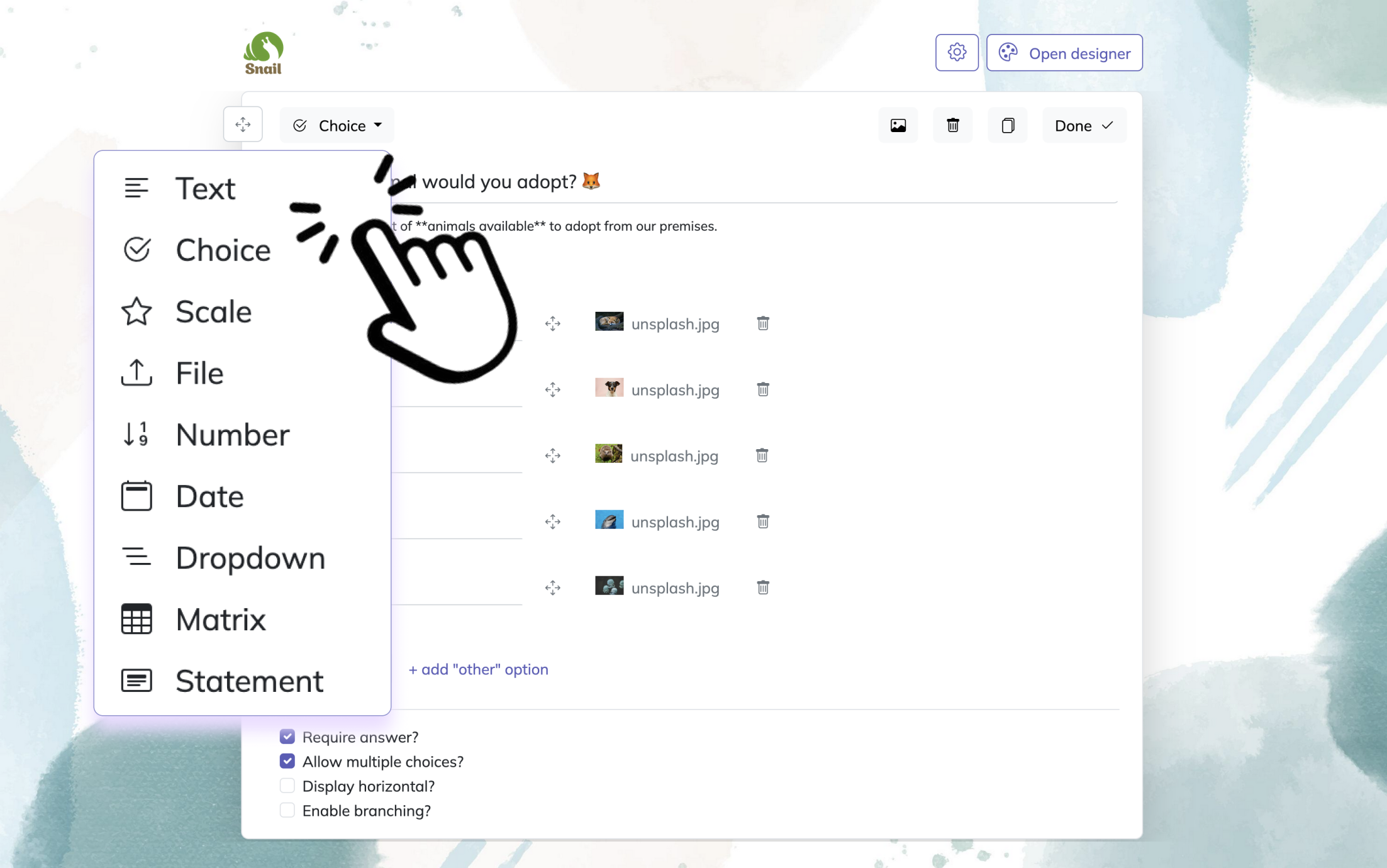
Create a beauty survey in HeySurvey in 3 easy steps
1. Create a new survey
Open HeySurvey and start with a beauty survey template using the button below, or create a survey from scratch. If you’re new to the editor, just give your survey a clear name like “Beauty Survey” so it’s easy to find later. You do not need an account to begin, but you will need one to publish and view responses. As an online survey maker, HeySurvey makes it easy to get started quickly.
2. Add questions
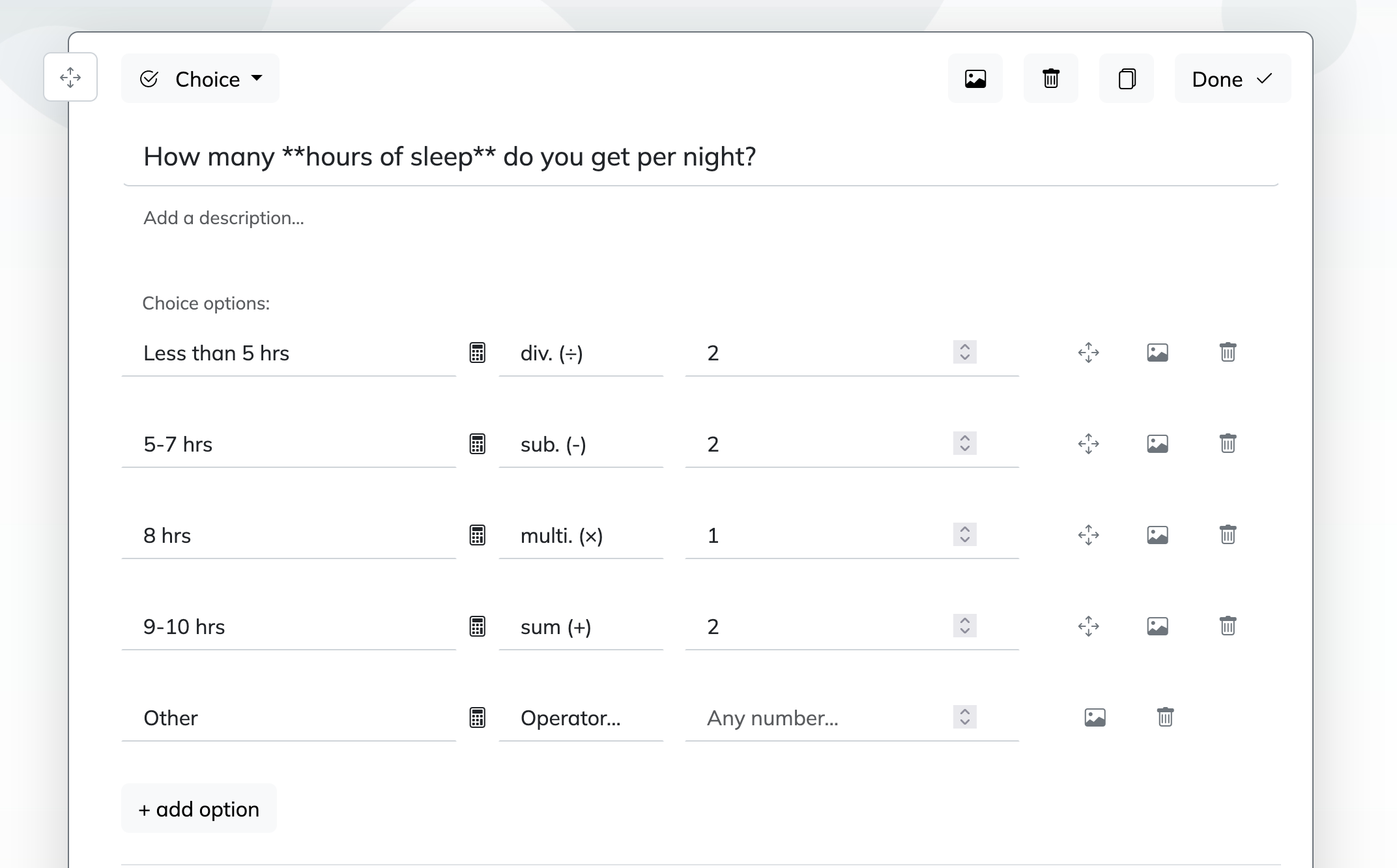
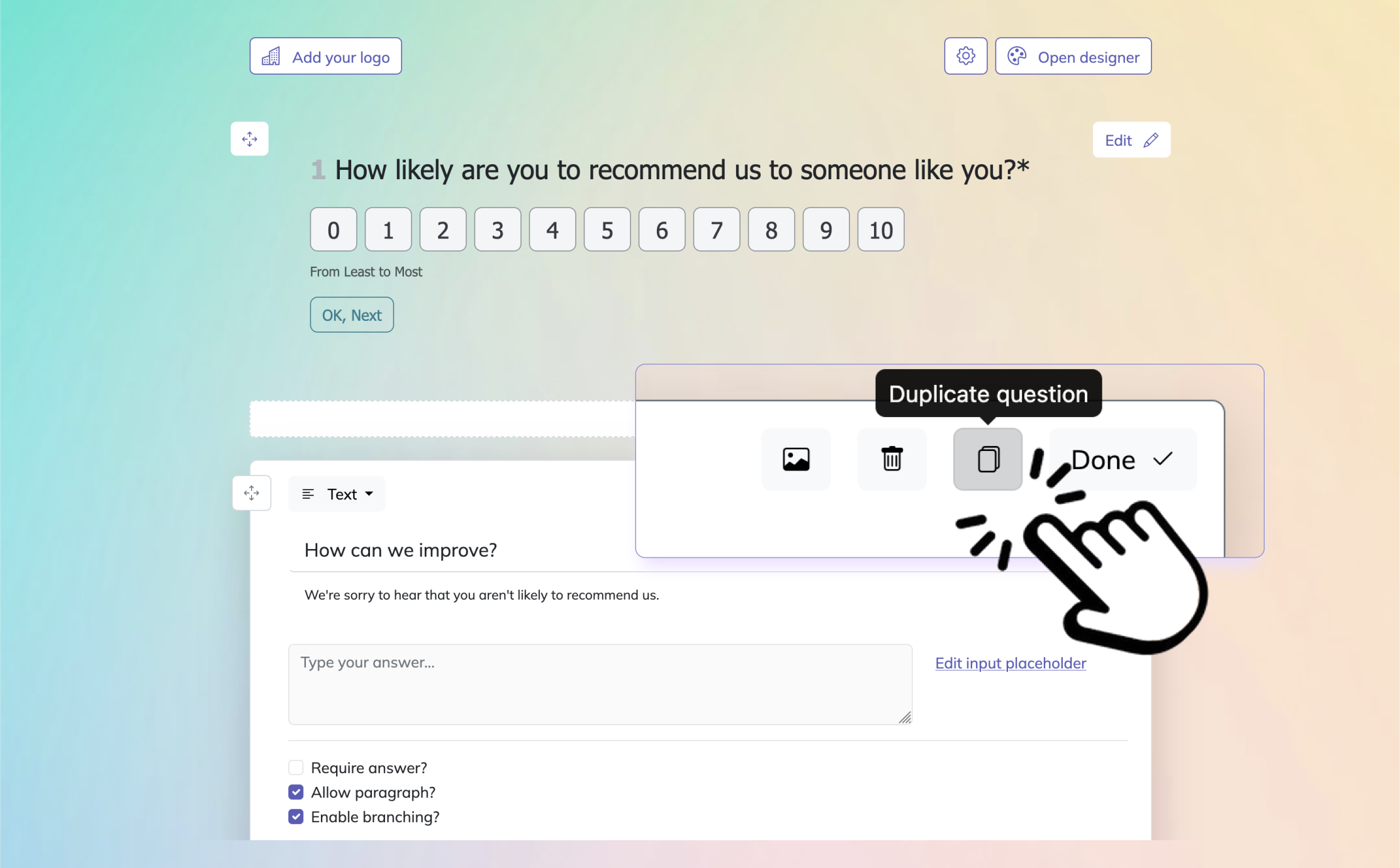
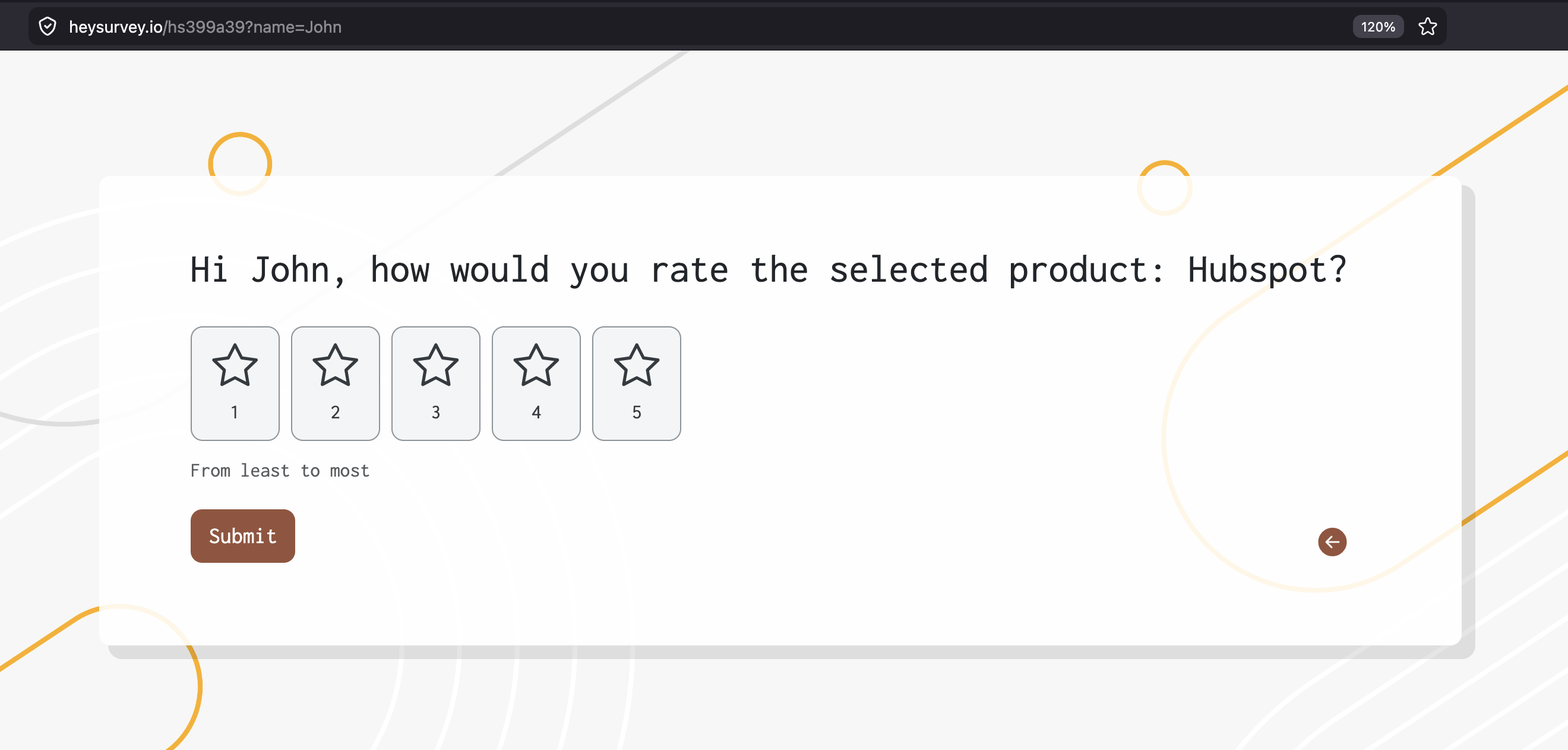
Click Add Question and choose the best format for your beauty survey. Use Choice questions for preferences like skincare or makeup brands, Scale questions for ratings, and Text questions for open comments. You can mark questions as required, add images, and reorder them anytime. Keep your questions short and simple so respondents can answer quickly.
3. Publish survey
When your survey looks ready, click Preview to check it, then click Publish to generate a shareable link. After publishing, you can send the survey to your audience and start collecting responses right away.
Skincare Survey Questions for Product Fit and Routine Insights
Sample questions
What is your primary skincare concern: acne, dryness, aging, redness, dark spots, or sensitivity?
How many skincare products do you use in your daily routine?
Which ingredients do you actively look for in skincare products?
Have you experienced irritation or breakouts from any skincare product in the past 30 days?
What would make you switch to a new skincare brand?
Why & When to Use
A skin care survey helps you match products to real routines, not wishful thinking.
These cosmetics questions are ideal when you want to understand skin concerns, missing steps in a routine, ingredient preferences, and reactions to products people already use.
Here's the thing, this section works best when you separate routine-focused beauty questions from satisfaction-focused beauty questions and answers.
Ask one group of questions about habits, like product count or ingredient preferences, and another about results, irritation, or what fell flat.
That makes your survey for skin care products much easier to read and far more useful when you need clear next steps.
Use this format if you run or support:
dermatology clinics gathering intake details
skincare brands refining product-market fit
estheticians learning about treatment needs
subscription boxes trying to personalize selections
any business building a skin care product feedback form after purchase or trial
Plus, concern-based branching can make your skin care survey feel smarter without making it longer.
If someone selects acne, you can follow with questions about breakouts and actives, while sensitivity answers can lead to gentler questions about reactions. Nice, neat, and no guessing games.
On top of that, these questions about beauty help you uncover what people need, what they avoid, and what could win them over.
Research suggests skincare surveys should capture ingredient preferences and irritation history, since many top-selling moisturizers still contain common allergens consumers may wish to avoid (JAMA Dermatology study).
Makeup Survey Questions for Preferences, Performance, and Purchase Drivers
Sample questions
Which makeup products do you use most often: foundation, concealer, mascara, lipstick, blush, or eyeshadow?
What matters most to you when buying makeup: price, shade match, long wear, ingredients, brand reputation, or packaging?
How satisfied are you with the shade range currently available from your preferred makeup brands?
How long do you expect a makeup product to last before needing touch-ups?
What usually stops you from trying a new cosmetics brand?
Why & When to Use
A makeup survey turns opinions into product decisions you can actually use.
These cosmetics questions help you understand shade expectations, wear preferences, coverage needs, application habits, and real-world performance across different product types.
Here's the thing, a strong makeup survey works for both frequent users and occasional buyers, because both groups can tell you what they want, what frustrates them, and what gets left in the makeup bag.
Use this section when you need clearer beauty questions for:
cosmetics launches
shade range reviews
product refreshes
influencer collaborations
post-purchase feedback
Plus, balance rating questions with open-ended questions about beauty so you get both patterns and personality.
For example, ask people to rate foundation shade match, lipstick wear time, or complexion product coverage, then follow with beauty related questions like what looked too orange, felt too heavy, or faded by lunch. Makeup can be dramatic enough on its own, so your survey does not need to be.
On top of that, these beauty questions and answers help shape a smarter skin care product feedback form or broader cosmetics questions set when makeup and skincare overlap in one customer journey.
Haircare and Shampoo Survey Questions for Scalp, Strand, and Routine Feedback
Sample questions
How often do you wash your hair each week?
What is your biggest hair or scalp concern: dandruff, dryness, oiliness, breakage, frizz, or hair fall?
What type of shampoo do you currently use most often?
How important are sulfate-free, fragrance-free, or color-safe formulas to you?
What result do you most want from your haircare products?
Why & When to Use
A smart shampoo survey helps you separate scalp drama from strand drama.
These cosmetics questions are especially useful when you want clear feedback on scalp concerns, wash frequency, styling habits, and product performance without lumping every hair issue into one big fluffy category.
Here's the thing, your scalp and your hair lengths often need different things. Someone can have an oily scalp and dry ends at the same time, which is why good beauty questions should clearly split scalp feedback from strand feedback.
Use this section for research on:
shampoo
conditioner
masks and treatments
hair oils
scalp-care products
Plus, haircare feedback often changes based on texture, curl pattern, color treatment, and climate. A person in dry weather may answer very differently than someone dealing with humidity that gives frizz a full-time job.
Keep your shampoo survey easy to answer with simple, everyday wording. Instead of overly technical questions about beauty, ask what people notice most, what they use now, and what result they want next.
On top of that, this section fits nicely into broader cosmetics questions, beauty questions, or even a skin care product feedback form when your brand studies full personal care routines. It also strengthens beauty questions and answers by making product feedback more specific, useful, and refreshingly less tangled.
Haircare surveys should separate scalp and strand concerns, as consumers increasingly seek products proving visible hair and scalp health benefits (Mintel).
Product Satisfaction and Beauty Product Feedback Survey Questions
Sample questions
How satisfied are you with the product overall?
Did the product perform as expected based on its description or claims?
How would you rate the product’s texture, scent, and ease of use?
Would you purchase this product again?
What is one thing you would improve about this product?
Why & When to Use
Great product feedback turns opinions into fixes you can actually use.
These cosmetics questions help you measure customer satisfaction after real product use, not just first impressions. They show you where expectations matched reality, where performance fell short, and whether customers would happily buy again or ghost the product forever.
Use this format after delivery, after a trial period, or after a salon or spa service connected to retail products. It works especially well as a skin care product feedback form, but it also fits a broader personal-care products survey covering makeup, body care, haircare, and more.
Here’s the thing, the best beauty questions collect both scores and comments. A rating tells you what happened, while a short written answer tells you why it happened.
Focus your beauty related questions on common feedback areas like:
packaging problems
scent preferences
irritation or sensitivity
visible results
value for money
On top of that, these beauty questions and answers help you spot patterns across different audiences. If people love the formula but dislike the pump, congratulations, your product is good and your packaging is being dramatic.
This section is ideal when you need practical questions about beauty that reveal satisfaction, unmet expectations, and clear next-step improvements.
Brand Perception and Beauty Shopping Experience Survey Questions
Sample questions
What three words best describe our beauty brand?
How likely are you to recommend our products to a friend?
What do you think makes our brand different from other beauty brands?
How easy was it to find the right product for your needs?
What almost stopped you from completing your purchase?
Why & When to Use
Strong brand perception data shows you why people buy, trust, and come back.
These cosmetics questions help you understand how shoppers see your brand beyond the product itself. You learn whether your business feels trustworthy, distinctive, fairly priced, and easy to shop, which is gold when you are refining messaging or improving conversions.
Use this survey during a rebrand, after a site update, or when retention starts wobbling a little. It is also a smart fit for loyalty programs, ecommerce optimization, and a skin care product feedback form that needs to capture brand-level opinions too.
Here’s the thing, great beauty questions should explore both emotion and friction. You want to know how people feel about your brand, but also what nearly made them leave the cart and disappear into the internet fog.
Focus your beauty related questions on practical shopping signals like:
trust badges and visible reviews
ingredient transparency
pricing clarity and discount expectations
product filtering and search tools
shade, skin type, or concern matching
Plus, this approach works well across skincare, makeup, haircare, and body care. On top of that, it gives you beauty questions and answers that reveal not just what customers think, but what got in their way right before checkout.
Beauty Survey Best Practices: Dos and Don’ts
Sample questions
Is this beauty survey easy to understand from start to finish?
Which section feels most relevant to your experience: skincare, makeup, haircare, or overall satisfaction?
Did any question feel confusing, repetitive, or too personal?
How long would you be willing to spend answering cosmetics questions like these?
Which question would you rewrite to make this skin care product feedback form clearer?
Why & When to Use
Better survey design gets you better answers.
When you write cosmetics questions well, you get cleaner data, higher completion rates, and fewer responses that make you squint and say, "Wait, what?" Here’s the thing, strong beauty questions are short, focused, and tied to a real business goal.
Dos
Use these best practices when building a skin care product feedback form, a skin care survey, or any set of beauty related questions:
Keep questions short, clear, and specific.
Group questions by topic like skincare, makeup, haircare, or satisfaction.
Ask only what helps you make a decision.
Mix rating scales, multiple-choice, and open text with intention.
Use familiar wording instead of technical jargon.
Keep the survey concise.
Test for bias, overlap, and ambiguity before launch.
Weak vs strong examples help a lot:
Weak: "How do you feel about our price and product quality?"
Strong: "How satisfied are you with the product quality?" and "How fair does the price feel?"
Don’ts
Avoid these traps in questions about beauty:
Don’t ask too many questions.
Don’t combine multiple ideas in one prompt.
Don’t lead people toward positive beauty questions and answers.
Don’t request sensitive details unless necessary.
Don’t switch rating scales mid-survey.
Don’t forget mobile readability.
Don’t collect feedback without a plan to use it.
Plus, if your survey feels easy, your respondents are far more likely to actually finish it.
How to Analyze Beauty Survey Responses for Trends and Patterns
Sample questions
Which cosmetics questions reveal the clearest trends by skin type or age group?
What recurring themes appear most often in your beauty questions and answers?
Does this skin care product feedback form show stronger complaints about price, packaging, or irritation?
How do responses differ between skincare, makeup, shampoo, and personal-care products?
Which insights from this skin care survey should you act on now, and which should shape future product development?
Why & When to Use
Patterns turn feedback into smarter decisions.
When you review cosmetics questions, do not just count answers. Sort them into useful groups so you can see what different customers actually want.
A smart first step is to segment responses by category, such as:
skin type
age group
product type
purchase frequency
satisfaction level
Here’s the thing, a skin care product feedback form gets much more useful when you compare one group against another instead of tossing every answer into one giant beauty blender.
Next, look for recurring themes in your beauty questions and answers.
irritation or sensitivity
price sensitivity
packaging frustrations
fragrance preferences
visible results, or lack of them
Plus, compare feedback across skincare, makeup, shampoo, and personal-care products. People often expect fast results from one category and gentle performance from another, so the same beauty related questions can uncover very different priorities.
Focus first on quick wins, like fixing confusing packaging or improving scent options.
On top of that, save longer-term insights for bigger moves like reformulation, new shade ranges, or premium product lines. Pay attention to both frequent complaints and high-value customer segments, because loud feedback matters, but valuable loyalty matters too.
Turning Beauty Survey Insights Into Better Products, Marketing, and Customer Experience
Sample questions
Which cosmetics questions point to product fixes you should prioritize first?
How can beauty questions help you improve messaging, bundles, or pricing?
What should a skin care product feedback form reveal before you update a formula?
Which questions about beauty uncover gaps in customer education or onboarding?
How can you turn a skin care survey into an ongoing feedback loop instead of a one-time project?
Why & When to Use
Great feedback only matters when you use it.
Your cosmetics questions should lead somewhere useful, not sit quietly in a spreadsheet like they are on vacation. The goal is to turn beauty questions into changes your customers can actually feel, see, and trust.
Use survey findings to guide action across teams.
product teams can improve formulas, textures, shades, or scent
marketing teams can sharpen claims, visuals, and product positioning
sales teams can test bundles, pricing, and promos
support teams can spot confusion and build better education
Here’s the thing, a strong skin care product feedback form can tell you whether people want better hydration, easier application, clearer instructions, or simply less packaging drama.
Prioritize updates by two filters:
customer impact
business feasibility
That helps you avoid chasing every comment and focus on the fixes that move the needle fastest. Plus, the best beauty questions and answers do more than improve one launch, they create an ongoing system for smarter decisions across skincare, cosmetics, haircare, and personal-care products.
Keep listening, keep testing, and keep acting. That is how beauty related questions become better products, better messaging, and a customer experience that actually feels polished.
Related Customer Survey Surveys
29 Restaurant Survey Questions
Explore 25 sample restaurant survey questions to improve customer feedback, boost service quality...

29 Airbnb Survey Questions to Ask Guests
Discover 25 Airbnb survey questions with sample questions, insights, and practical examples to im...
32 Interior Design Survey Questions
Explore 25 interior design survey questions with sample questions to gather client insights, refi...